
 ChatGPT
 Perplexity
 Claude
 Gemini
 Grok
Grok
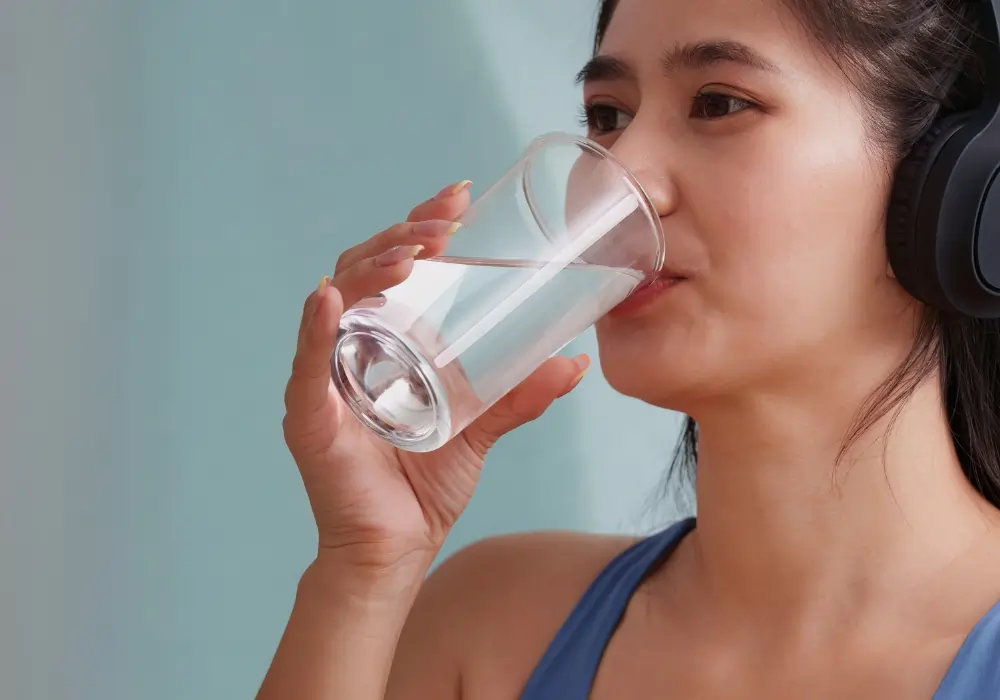
If you rely on a private well for your home’s water supply, you may have asked yourself: “Is my well water safe to drink?” The short answer is yes, but only if your well is properly constructed, regularly tested, and adequately treated.
Unlike municipal water systems that are regulated by federal and state agencies, private wells are the sole responsibility of the homeowner. That means it’s up to you to ensure your water remains clean and safe year-round.
With proper maintenance and monitoring, well water can be one of the healthiest and most refreshing water sources available. But neglecting it can lead to problems like bacteria, heavy metal contamination, or chemical runoff, all of which can pose serious health risks.
In this guide, we’ll explore what makes well water safe, what can contaminate it, how to test and treat your system, and how NightOwl Monitoring helps protect your home’s water quality through ongoing testing and monitoring solutions.
Key Takeaways
- Well water can be safe to drink when properly tested and maintained.
- Clear water can still contain harmful contaminants.
- Private wells should be tested at least once a year.
- Safe well water can generally be used for drinking, cooking, and bathing.
- Regular monitoring helps identify changes in well and water-system conditions.
Is Well Water Good for You?
Well water can be a reliable source of drinking water when it is properly tested and maintained. Groundwater naturally passes through soil and rock before reaching a well, which can add naturally occurring minerals such as calcium and magnesium. However, natural mineral content alone does not mean well water is healthier than other drinking water sources.
What Makes Well Water Good for Everyday Use?
The quality of well water depends on the condition of the well, the surrounding environment, and what is present in the groundwater. When properly maintained and regularly tested, well water can offer several practical benefits:
- Natural mineral content: Well water may contain minerals such as calcium and magnesium.
- Reliable water source: A properly functioning private well can provide a consistent household water supply.
- No routine municipal treatment: Private well owners have direct control over testing and any treatment their water may need.
- Suitable for daily use: Tested and safe well water can be used for drinking, cooking, bathing, and other household needs.
However, well water can also contain bacteria, nitrates, arsenic, metals, agricultural chemicals, or other contaminants that may not affect its taste, smell, or appearance.
For this reason, the most important factor is not whether the water looks clean, but whether testing confirms that it is safe. Regular laboratory testing, proper well maintenance, and attention to changes in taste, odor, color, or system performance can help protect your household water supply.
What Makes a Well Water System Safe?
Natural Filtration and Construction
Groundwater, the source of most wells, is naturally filtered through layers of soil, sand, and rock. However, that filtration alone isn’t enough. Proper well construction is critical. A sealed well casing, appropriate depth, and safe distance from septic systems or agricultural areas help prevent contaminants from entering the water supply.
Routine Testing and Maintenance
Because private wells are not regulated under the Safe Drinking Water Act, regular testing is essential. Homeowners should test their water at least once a year for bacteria, nitrates, and other common contaminants. Regular inspections and system maintenance also prevent small issues from turning into expensive repairs later on.
Filtration and Treatment
Even if your water currently tests safe, changes in groundwater, flooding, or land use can cause sudden contamination. Installing a reliable well water filtration system including sediment filters, carbon filters, or UV purifiers can significantly improve safety and taste while reducing health risks.
Common Contaminants Found in Well Water
| Contaminant Type | Source | Potential Health Risks |
| Coliform & E. coli bacteria | Flooding, septic system leaks | Stomach illness, diarrhea, infection |
| Nitrate/Nitrite | Fertilizer runoff, animal waste | Dangerous for infants (“blue baby syndrome”) |
| Heavy Metals (Arsenic, Lead, Iron) | Soil minerals, old pipes, industry | Cancer risk, skin issues, neurological effects |
| Pesticides & Chemicals | Agricultural runoff, old fuel tanks | Hormonal imbalance, organ damage |
| Hardness & Sediment | Mineral deposits | Scale buildup, cloudy or metallic-tasting water |
Even if your well water looks clear and tastes fine, contaminants can be invisible. That’s why testing is the only way to know for sure.
Signs Your Well Water May Be Unsafe
Watch for these warning signs that indicate your well water might be contaminated:
- Cloudy or discolored water
- A sulfur or rotten egg smell
- Metallic or bitter taste
- Residue or staining in sinks and tubs
- Unexplained health issues or frequent stomach discomfort among household members
If any of these signs appear, have your well water tested immediately by a certified lab.
How to Test and Treat Well Water
Step 1: Testing
- Hire a certified testing service or contact your local health department.
- Test for bacteria, nitrates, pH, hardness, and heavy metals at least once a year.
- Re-test after major weather events such as flooding, heavy rainfall, or nearby construction.
Step 2: Treatment Options
Once you identify contaminants, choose the right treatment method:
- Sediment filters: Trap sand, dirt, and rust.
- Activated carbon filters: Remove chemicals and odors.
- Reverse osmosis systems: Eliminate heavy metals and salts.
- UV purification or chlorination: Kill bacteria and microorganisms.
Regular maintenance ensures these systems continue to perform effectively. Replace filters as recommended and schedule professional inspections annually.
Is Well Water Safe to Shower In?
Yes, well water can be safe to shower and bathe in when it is properly maintained and testing confirms there are no harmful contaminants. Many households use private well water every day for bathing, laundry, cleaning, and cooking.
When Should You Be Careful About Showering With Well Water?
The safety of well water for bathing depends on what is present in the water. Some issues mainly affect comfort or appearance, while certain contaminants may require extra precautions.
- Cloudy or discolored water: Sudden changes in appearance may indicate sediment or another water-quality issue.
- Unusual odors: Strong sulfur, chemical, or sewage-like smells should be investigated.
- Recent flooding: Floodwater can introduce bacteria and other contaminants into a private well.
- Well repairs or system changes: Testing is recommended after work that may affect the well or water supply.
- Skin or hair irritation: Hardness, minerals, or other water-quality issues may contribute to dryness or irritation.
If your well water suddenly changes in color, smell, taste, or appearance, do not assume it is safe simply because you are only using it for bathing. Have the water tested and follow guidance based on the specific issue identified.
For normal household use, regularly tested well water that meets applicable water-quality guidelines can generally be used safely for both drinking and bathing.
Well Water vs. Tap Water
Public water systems must meet EPA safety standards, but that doesn’t automatically make them superior. A properly maintained well can deliver water that’s equally safe, if not cleaner than city water, as it’s free from chlorine, fluoride, and other additives used in municipal treatment.
The key difference is responsibility: with a private well, you are your own water authority. Testing, treatment, and monitoring are your tools for ensuring ongoing safety.
How NightOwl Monitoring Helps Protect Your Water
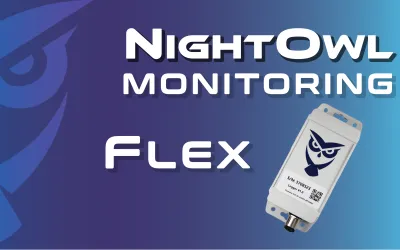
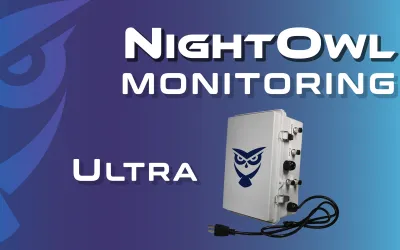
At NightOwl Monitoring, we understand how vital clean, safe water is to your home and family. Our goal is to make water safety effortless for homeowners.
We help you by:
- Scheduling annual testing and inspections to detect problems early
- Analyzing laboratory results and explaining what they mean for your health
- Recommending the best filtration or treatment solutions for your specific water composition
- Continuously monitoring performance to ensure your system stays efficient and contaminant-free
By combining technology with professional expertise, NightOwl Monitoring ensures your water stays pure, reliable, and safe day and night.
FAQs
Q1: Can I tell if well water is safe just by looking at it?
No. Many harmful contaminants are invisible and odorless. Regular testing is the only reliable way to determine if your well water is safe to drink.
Q2: How often should I test my well water?
At least once a year, or after major events such as floods, droughts, or noticeable changes in water taste or smell.
Q3: Is well water better than city water?
It depends. Well water can be excellent if maintained properly, but it lacks the oversight that municipal systems have. You control its quality through testing and treatment.
Q4: Does drilling a new well guarantee safe water?
No. Even new wells can become contaminated by nearby septic systems, agricultural runoff, or naturally occurring minerals.
Q5: Can I use contaminated well water for showering or cooking?
If contamination levels are low, showering may still be safe but cooking or drinking contaminated water is not recommended. Always treat water that tests unsafe before use.
Final Thoughts
Well water can be a clean, sustainable, and healthy water source but only if it’s properly cared for. Regular testing, proper filtration, and system maintenance are the foundations of safe well water.
Partnering with NightOwl Monitoring ensures that your well system gets the attention it deserves. With professional testing, real-time monitoring, and customized treatment solutions, we help you protect your household and enjoy safe, great-tasting water every day.
Stay informed. Stay safe. Stay confident with NightOwl Monitoring by your side.