 ChatGPT
 Perplexity
 Claude
 Gemini
 Grok
Grok
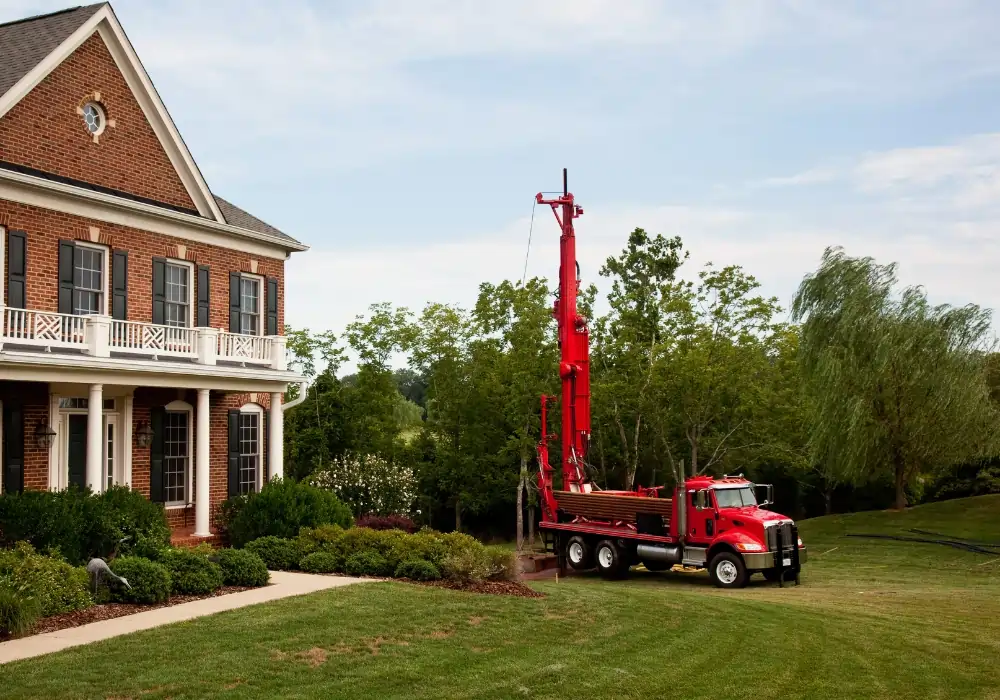
The cost to drill a water well typically depends on the well depth, ground conditions, casing, pump equipment, and location. Drilling alone commonly costs about $20 to $65 per foot, while a complete residential well installation can cost several thousand dollars and may exceed $15,000 for deeper or more difficult projects. A complete system can include drilling, casing, a well pump, pressure tank, electrical work, permits, water testing, and plumbing connections.
But numbers alone don’t tell the whole story. This guide explains the full cost breakdown, the choices that affect price, and how NightOwl Monitoring plays a key role in protecting your investment long after drilling is done.
Key Takeaways
- Well drilling is usually priced by the foot.
- Greater depth generally increases the total cost.
- Rock and difficult ground conditions can raise drilling prices.
- A complete well costs more than drilling the borehole alone.
- Pumps, casing, permits, testing, and electrical work add to the final price.
What Impacts the Cost of a Water Well?
1. Depth Matters
The deeper the well must go, the greater the labor, the higher the material cost, and the longer the project takes. Shallow wells (25–50 feet) can cost a few thousand dollars, while deep wells (200–300+ feet) can easily climb into the tens of thousands. To better understand what determines drilling depth in your area, read our guide on how deep are water wells and what factors influence the required depth.
2. Soil and Rock Conditions
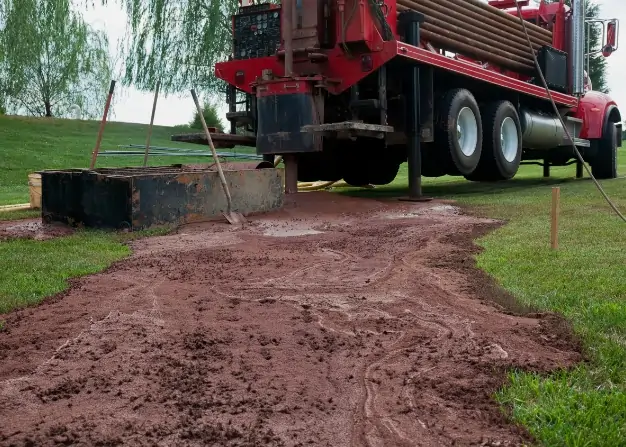
Drilling through soft, sandy soil is generally cheaper than rock, clay, or bed-rock layers. Hard conditions may require slower drilling methods, heavier casing, or extra time, all of which raise your bill.
3. Well Casing and Diameter
The type and size of casing pipe (e.g., 4-inch PVC vs. 6-inch steel) impact cost. Larger diameters or premium steel pipe add stability and capacity but cost more upfront.
4. Equipment & Installation
Beyond drilling: the pump, pressure tank, electrical wiring, plumbing, concrete work, permits and inspection fees all contribute significantly to the total cost. Since the pump is one of the most expensive components, it helps to understand how much it costs to replace a well water pump when budgeting for both installation and future maintenance.
5. Location & Accessibility
Remote or hard-to-access sites increase labor and equipment transport charges. Regional pricing differences also play a role—what’s typical in one state may be less or more elsewhere.
Average Cost Ranges to Expect
- Drilling only: $15 to $25 per foot is a common benchmark.
- Complete residential system: $25 to $65 per foot for the full setup.
- Residential average: Many homeowners spend around $3,000 to $9,000, depending on depth and conditions.
- Shallow vs. Deep: A shallow site may cost under $3,000; a deep or challenging drill can exceed $15,000 or more.
How Much Does It Cost to Drill a Well Per Foot?
Water well drilling is commonly priced according to the number of feet drilled. Drilling-only rates may be around $20 to $30 per foot in favorable conditions, while pricing can rise significantly when drilling through rock, difficult terrain, or challenging formations.
The final price also depends on whether the quote covers only drilling or a complete installed water well system.
| Well Depth | Estimated Drilling-Only Cost | Estimated Complete Installation |
|---|---|---|
| 50 feet | $1,000–$1,500 | $1,500–$4,000+ |
| 100 feet | $2,000–$3,000 | $3,000–$8,000+ |
| 150 feet | $3,000–$4,500 | $4,500–$12,000+ |
| 200 feet | $4,000–$6,000 | $6,000–$16,000+ |
| 300 feet | $6,000–$9,000 | $9,000–$24,000+ |
| 400 feet | $8,000–$12,000 | $12,000–$32,000+ |
These figures are general estimates rather than fixed prices. Local geology, casing requirements, well diameter, equipment access, and groundwater depth can cause the actual water well drilling cost per foot to be higher or lower.
For example, a 200-foot well may cost considerably more if the drilling crew encounters hard rock or needs heavier casing than it would in easier drilling conditions.
Cost Breakdown: What You’re Paying For
| Component | Typical Cost Range | Purpose |
| Drilling (per foot) | $15 – $65+ | Reaching the water table and casing the shaft |
| Well Casing | $6 – $130 per foot | Stabilizing the well, preventing contamination |
| Pump & Pressure Tank | $300 – $2,000 | Delivering water from well to home |
| Electrical & Wiring | $500 – $1,500 | Powering pump and controls |
| Permits & Testing | $50 – $700+ | Ensuring legal compliance and safety |
What Is Included in the Cost of a Complete Water Well System?
The cost to drill a well and the cost to install a complete water well system are not always the same. A drilling quote may only cover creating the borehole, while a complete system requires additional equipment and work before water can be delivered to the property.
| Cost Component | What It Covers |
|---|---|
| Well drilling | Creates the borehole to reach a suitable groundwater source |
| Well casing and screen | Protects the well and allows groundwater to enter |
| Well pump | Moves water from the well to the home or water system |
| Pressure tank and controls | Maintains water pressure and controls pump cycling |
| Electrical and plumbing | Connects the pump and well system to the property |
| Permits, testing, and development | Covers required approvals, well development, and water-quality testing |
When comparing well drilling estimates, ask exactly what is included in the quoted price. A lower well drilling price per foot may not include the pump, pressure tank, electrical connections, trenching, permits, or water testing.
Getting an itemized estimate makes it easier to compare contractors and understand the true well installation cost rather than focusing only on the drilling rate.
How to Choose a Drilling Contractor
- Search for “well drilling companies near me” and “well drillers near me.”
- Request detailed quotes: depth estimate, casing type, pump specs, materials.
- Verify licensing and insurance.
- Check reviews and warranties.
- Discuss options for monitoring: after installation, systems like NightOwl Monitoring can track water levels, pump health, and system alerts in real time.
Why Monitoring Your Well Matters
After investing in your well, protecting it matters just as much as drilling. This is where NightOwl Monitoring comes in. By installing smart sensors and remote monitoring tools, you can:
- Receive alerts if the pump is running dry or voltage spikes
- Monitor water levels in well, storage tank, or pressure tank
- Get notified about abnormal operation that could point to leaks or system failure
These features help you avoid costly repairs, downtime, and unsafe water scenarios. Monitoring systems add value and extend the life of your well system—making your initial investment go further.
Tips for Saving on Well Drilling
- Confirm if the well can be drilled closer to the house to reduce piping and labor
- Choose the right diameter and casing size for your actual water needs
- Compare multiple quotes before signing
- Don’t skip essential components (investing in quality now avoids repair costs later)
- Budget for a monitoring system like NightOwl to safeguard your system from day one
FAQs
Q1: How much should I budget to drill a well?
Expect $3,000 to $9,000 for many residential projects, but deeper or more complex sites may cost $10,000 or more.
Q2: What if the drill hits rock or the water table is deep?
Costs rise quickly when drilling hard rock or hitting below 150–200 feet depth because of additional labor and materials.
Q3: Can a well cost less than $3,000?
Yes, in favorable conditions and shallow depth the cost can be under $3,000. But this is less common and risks may increase.
Q4: Does the cost end after drilling?
No. Pump installation, electrical work, casing, permits, and ongoing monitoring all add to the total lifecycle cost.
Q5: Is monitoring the well system really worth the extra cost?
Absolutely. Monitoring tools like NightOwl help you manage your water supply, catch issues early, and protect your investment over decades.
Final Thoughts
Drilling a water well is a significant investment but one that delivers long-term value when managed properly. Understanding how long a water well lasts helps homeowners plan for maintenance, replacements, and the true lifetime return on their investment.Understand the depth, geology, casing, and overall system requirements before committing. Once the well is installed, ongoing monitoring with a system like NightOwl Monitoring ensures your home’s water remains reliable, safe, and efficient for years to come.
Protect Your Well Investment After Installation
A new water well is a significant investment, and its performance can change over time as groundwater levels, pump activity, and water demand change.
NightOwl Monitoring provides remote visibility into well and pump performance, helping water-well professionals and system operators identify unusual activity and changing system conditions earlier.
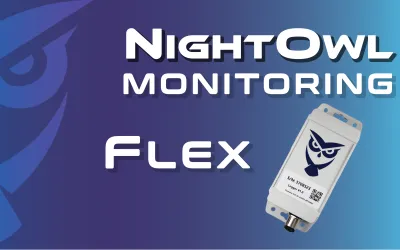
Explore NightOwl Flex to learn how remote monitoring can provide ongoing visibility into water levels, pump activity, flow, and overall well-system performance.