 ChatGPT
 Perplexity
 Claude
 Gemini
 Grok
Grok
If your home uses a private well, it is normal to wonder where that water actually comes from. Many people imagine underground rivers or hidden lakes, but the real answer is much simpler and more interesting. Well water comes from groundwater that is stored beneath the earth’s surface.
Rain and melting snow soak into the ground, travel downward through layers of soil and rock, and collect in natural underground water holding areas known as aquifers. A well allows homeowners to safely access this groundwater and bring it into their home for everyday use.
Understanding where well water comes from helps homeowners protect their water supply, recognize problems early, and maintain a reliable system.
What Is Well Water?
Well water is water drawn directly from underground sources instead of being supplied by a city or public utility. Homes with private wells rely entirely on groundwater located beneath the property or nearby land.
Unlike municipal water systems that are treated and monitored by a local authority, well water is the responsibility of the homeowner. This makes it important to understand the source, quality, and behavior of the water supplying the well.
Where Does Well Water Come From?
Well water comes from groundwater, which is water that exists below the ground surface. This groundwater is replenished naturally through the water cycle.
How groundwater forms
- Rainfall and snowmelt seep into the soil
- Water moves downward through sand, gravel, and rock layers
- The water collects in underground formations that can store and transmit water
These underground formations are called aquifers, and they are the true source of water for most wells.
What Is an Aquifer?
An aquifer is a layer of underground material that holds water and allows it to move slowly through small spaces or fractures. Aquifers are not empty caverns filled with water. Instead, they act more like a sponge, storing water within rock and sediment.
There are several types of aquifers:
Unconfined aquifers
These are closer to the surface and are directly affected by rainfall. They recharge more easily but are also more vulnerable to surface contamination.
Confined aquifers
These lie beneath layers of dense material such as clay. They often contain water under pressure and are better protected from surface pollutants.
Bedrock aquifers
These are common in many regions. Water flows through cracks in solid rock, and well yield can vary widely from one property to another.
Is Well Water from an Underground River?
This is one of the most common misconceptions. In most cases, well water does not come from underground rivers. Instead, groundwater moves slowly through tiny spaces in soil or fractures in rock.
While some underground water does flow, it is usually at a much slower rate than surface rivers. Wells simply tap into this stored groundwater.
How Do Wells Get Water?
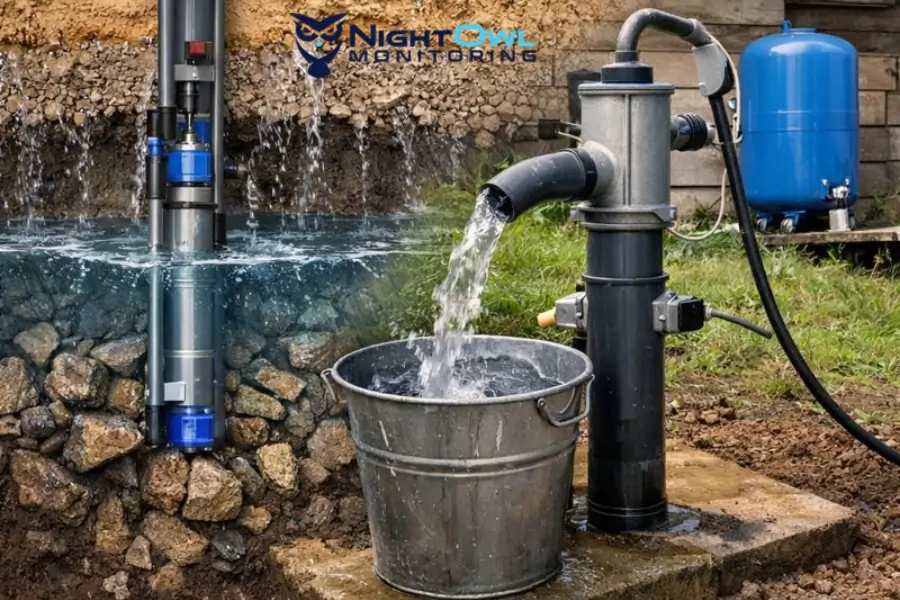
A well system is made up of several components that work together to deliver water to your home.
Key parts of a well system
- Well casing that protects the well from surface contamination
- A pump that lifts water from the aquifer
- A pressure tank that stores water and maintains steady pressure
- A pressure switch that controls when the pump turns on and off
When you turn on a faucet, water comes from the pressure tank first. If pressure drops, the pump activates and pulls more groundwater into the system.
Does Well Water Run Out?
A well can run low, but this does not always mean the aquifer is empty. Several factors can affect how much water is available.
Common reasons a well may struggle
- Extended drought conditions
- Heavy water usage, especially during irrigation season
- Low yielding aquifers
- Pump or system issues
- Sediment buildup inside the well
This is why homeowners often ask how wells refill or how fast well water replenishes. The answer depends on rainfall, soil type, local geology, and overall water demand.
How Fast Does Well Water Replenish?
Recharge happens when precipitation slowly makes its way back down into the aquifer. In sandy or gravel rich areas, recharge may happen more quickly. In clay heavy or bedrock areas, it can take much longer.
A well may recharge continuously in small amounts, but if water is used faster than it replenishes, pressure and supply issues can occur.
Signs your well may be under stress
- Pressure drops during heavy water use
- Air sputtering from faucets
- Cloudy water after long use
- The pump runs more often than normal
What Is in Well Water?
As groundwater moves through soil and rock, it can naturally collect minerals and other substances.
Common elements found in well water
- Calcium and magnesium that cause hardness
- Iron and manganese that lead to staining
- Hydrogen sulfide that causes odor
- Sediment such as sand or silt
- Nitrates from fertilizer or septic sources
- Bacteria, especially in shallow wells
Because of this, regular testing is essential for maintaining safe and clean water.
What Can Affect Well Water Quality?
Even though groundwater is underground, it can still be impacted by surface activities.
Factors that can affect well water include:
- Nearby septic systems
- Agricultural runoff
- Fuel or chemical spills
- Poorly sealed well caps
- Flooding or heavy rainfall
- Naturally occurring minerals in the aquifer
Protecting the area around the well and monitoring system performance are key steps in preventing problems.
Why Monitoring Your Well Water Matters
Most homeowners test their water once a year, but system issues often develop between tests. Changes in pump activity, pressure, or water usage can be early warning signs of trouble.
NightOwl Monitoring helps homeowners gain visibility into their well system before small issues turn into major repairs. A reliable Well Water monitoring System can help track pump behavior, detect abnormal usage, and support faster troubleshooting.
With consistent Well Water Monitoring, homeowners can better protect their water supply, extend the life of their equipment, and avoid unexpected outages.
Simple Tips to Protect Your Well Water Supply
- Test your well water regularly
- Inspect the well cap and surrounding area
- Keep chemicals and fuel away from the well
- Watch for changes in taste, smell, or pressure
- Track pump cycling patterns
- Consider continuous monitoring for early alerts
Final Thoughts
So, where does the water come from in a well? It comes from groundwater stored in aquifers that are naturally replenished through rainfall and snowmelt. Understanding how your well works and where its water comes from allows you to make smarter decisions about maintenance, usage, and long term protection.
FAQS
What is the main source of well water?
The main source of well water is groundwater. Rain and snow soak into the ground, move through soil and rock layers, and collect in underground formations called aquifers. A well draws water from these aquifers and delivers it to the home.
Where does the water in a well come from naturally?
Naturally, well water comes from precipitation. Rain and melting snow slowly filter through the earth and replenish underground water supplies over time. This natural process is known as groundwater recharge.
Is well water taken from underground rivers?
In most cases, no. Well water usually does not come from underground rivers. Instead, it comes from water stored in tiny spaces and fractures within soil and rock. This groundwater moves very slowly compared to surface rivers.
What is an aquifer in relation to a water well?
An aquifer is an underground layer of rock, sand, or gravel that holds water. Aquifers store groundwater and allow it to flow slowly. Wells are drilled into aquifers so water can be pumped to the surface.
How do water wells get water if there is no rain?
Wells rely on water stored in aquifers, which can hold water for long periods. Even during dry weather, aquifers may still supply water. However, extended drought can lower groundwater levels and affect well performance.
Can a well ever run out of water?
A well can temporarily run low if water use exceeds recharge or during drought conditions. In some cases, wells recover when groundwater levels rise. In other cases, system upgrades or water conservation may be needed.
How fast does well water replenish?
Replenishment speed depends on soil type, rock structure, rainfall, and local water use. Sandy soils recharge faster, while clay and bedrock areas recharge more slowly. Most wells recharge gradually rather than all at once.
Is well water safe to drink?
Well water can be safe to drink, but it should be tested regularly. Groundwater may contain minerals, bacteria, or contaminants depending on location and conditions. Routine testing helps ensure water safety.
What affects the quality of well water?
Well water quality can be affected by nearby septic systems, agricultural runoff, flooding, damaged well components, and naturally occurring minerals in the aquifer.
Why is well water monitoring important?
Monitoring helps detect changes in pump activity, pressure, or usage patterns that may indicate leaks, system strain, or mechanical issues. Early detection helps protect both water quality and equipment lifespan.