 ChatGPT
 Perplexity
 Claude
 Gemini
 Grok
Grok
Low water pressure from a well can disrupt daily life. Simple tasks like showering, running appliances, or watering landscaping become frustrating when water flow is weak or inconsistent. If you are asking how to increase water pressure from a well, the solution usually involves improving how your well pump, pressure tank, and plumbing system work together.
This guide from Nightowl Monitoring explains why well water pressure drops, how to diagnose the problem, and proven ways to boost well water pressure safely and effectively. Whether you own a private residential well or manage multiple properties, understanding water pressure systems helps you restore strong and reliable flow.
How Well Water Pressure Works
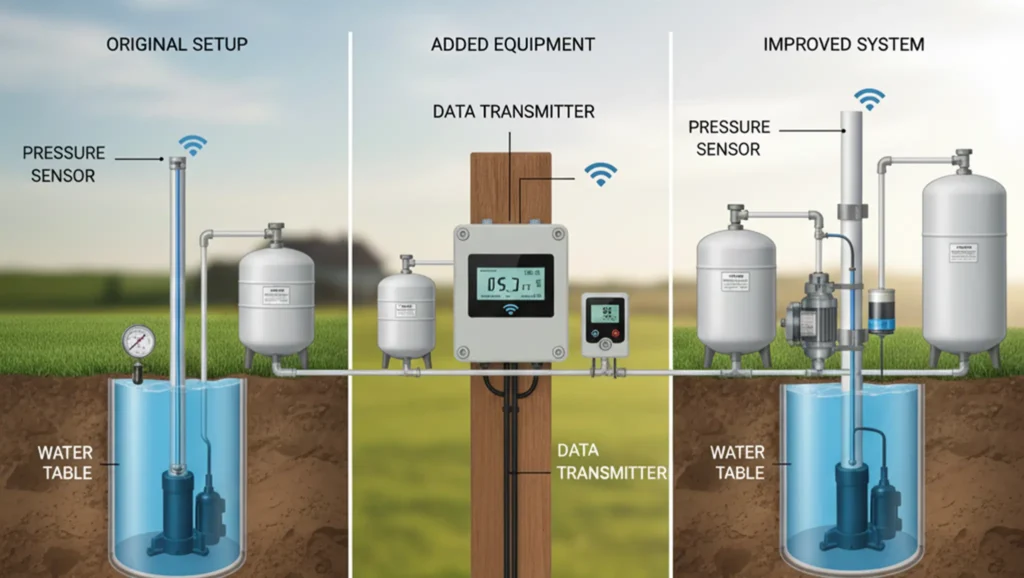
Water pressure in a well system is created by the well pump pushing water into a pressure tank. The pressure tank stores water under air pressure so that water is delivered smoothly to fixtures without the pump running constantly.
Most residential well systems are designed to operate between 40 and 60 PSI. If pressure falls below this range, water flow feels weak. If pressure fluctuates heavily, it can signal mechanical or system design issues.
Key components that control water pressure include:
- Well pump
- Pressure tank
- Pressure switch
- Plumbing lines
- Valves and fittings
If any one of these components is not working correctly, pressure problems occur.
Common Reasons for Low Well Water Pressure
Before trying to increase well water pressure, it is important to identify the cause.
Pressure Tank Problems: A pressure tank with low air charge or a failed bladder cannot maintain adequate pressure. It often causes weak flow and rapid pump cycling.
Pressure Switch Settings: The pressure switch controls when the pump turns on and off. If the cut in and cut out settings are too low, the system will never reach strong pressure levels.
Undersized or Aging Well Pump: An old pump or one that is too small for the household demand may struggle to deliver enough flow and pressure, especially when multiple fixtures run at once.
Clogged Pipes, Screens, or Filters: Sediment, iron, calcium, and debris can restrict water flow. Even if the pump produces pressure, restrictions downstream reduce what reaches faucets.
Leaks in the System: Leaks between the well and the house or inside plumbing walls divert pressure away from fixtures and cause the pump to run more often.
Low Well Yield: If the well produces limited gallons per minute, pressure may drop during high usage. Typical residential wells produce 5 to 10 gallons per minute.
How To Check Well Water Pressure
To measure water pressure, attach a pressure gauge to an outdoor faucet or the pressure tank outlet. Turn on the water and observe the reading.
- Normal pressure range: 40 to 60 PSI
- Pressure below 40 PSI feels weak
- Pressure above 70 PSI may damage plumbing
If pressure drops significantly when another faucet opens, your system may not be meeting demand.
Effective Ways To Increase Water Pressure From a Well
Adjust the Pressure Switch
One of the most common and effective ways to increase water pressure on a well system is adjusting the pressure switch.
Most switches are set to 30/50 or 40/60 PSI. Increasing these settings raises the pressure delivered to fixtures.
- Turn off power to the pump
- Remove the switch cover
- Adjust the main spring nut in small increments
- Restore power and test pressure
Moreover, always stay within safe limits for your plumbing and pump.
Set the Correct Pressure Tank Air Charge
The pressure tank must be properly pressurized to support water pressure.
- Turn off the pump
- Drain water from the tank
- Check air pressure with a tire gauge
- Set air pressure to 2 PSI below the cut in pressure
However, a tank with a failed bladder should be replaced to restore stable pressure.
Install a Larger Pressure Tank
A small pressure tank empties quickly and causes pressure drops. Installing a larger tank stores more water under pressure and reduces pump cycling.
Benefits include:
- More consistent water pressure
- Reduced pump wear
- Better performance during peak usage
This upgrade is especially helpful in larger homes.
Add a Well Booster Pump
A well booster pump increases pressure as water enters the home. Booster pumps are ideal when the well pump cannot provide enough pressure on its own.
Booster pumps help with:
- Multi level homes
- Long plumbing runs
- Homes with pressure sensitive appliances
They provide a noticeable improvement in water flow.
Upgrade to a Constant Pressure System
A constant pressure system uses variable speed pump technology to maintain steady pressure regardless of water demand.
Advantages include:
- No pressure drops when multiple fixtures run
- Smooth shower performance
- Improved system efficiency
However, the constant pressure well pumps are one of the best long term solutions for low pressure systems.
Clean or Replace Filters and Screens
Sediment buildup restricts flow and reduces pressure.
So, you need to check and clean:
- Whole house filters
- Well screens
- Faucet aerators
- Shower heads
Replacing clogged components restores water flow quickly.
Improve Water Pressure Inside the House
Once the well system is optimized, interior plumbing also matters.
- Ensure all shut off valves are fully open
- Repair leaks immediately
- Replace old narrow pipes with modern piping
- Clean aerators regularly
These steps prevent pressure loss after water enters the home.
How Nightowl Monitoring Helps Improve Well Water Pressure
Nightowl Monitoring supports well systems by tracking usage patterns, identifying pressure changes, and detecting early signs of pump stress. Monitoring tools help homeowners and service professionals catch problems before pressure loss becomes severe.
Benefits include:
- Early leak detection
- Reduced pump cycling
- Better long term system performance
- Fewer emergency service calls
Monitoring adds visibility to well systems that are hidden.
When to Call a Professional
If adjustments do not improve pressure, professional evaluation may be needed. A technician can assess:
- Pump condition
- Flow rate and drawdown
- Electrical performance
- System design limitations
Persistent low pressure may require pump replacement, system redesign, or yield testing.
Frequently Asked Questions
What is normal water pressure for a well system?
Most well systems operate between 40 and 60 PSI.
Can I increase water pressure on a well safely?
Yes, by adjusting the pressure switch, upgrading the tank, or adding a booster system within safe limits.
Will a bigger well pump increase pressure?
Not always. Pressure is controlled by the system design, not pump size alone.
How much does it cost to increase well water pressure?
Simple adjustments may cost little, while booster pumps or constant pressure systems can range from several hundred to a few thousand dollars.
Final Takeaway From Nightowl Monitoring
Low water pressure from a well is usually solvable. By adjusting pressure settings, optimizing the pressure tank, cleaning system components, or upgrading to booster or constant pressure solutions, you can restore strong and reliable water flow.
However, Nightowl Monitoring adds long term protection by helping track system performance and prevent pressure issues before they disrupt daily life. A properly maintained well system delivers comfort, efficiency, and peace of mind.