
 ChatGPT
 Perplexity
 Claude
 Gemini
 Grok
Grok
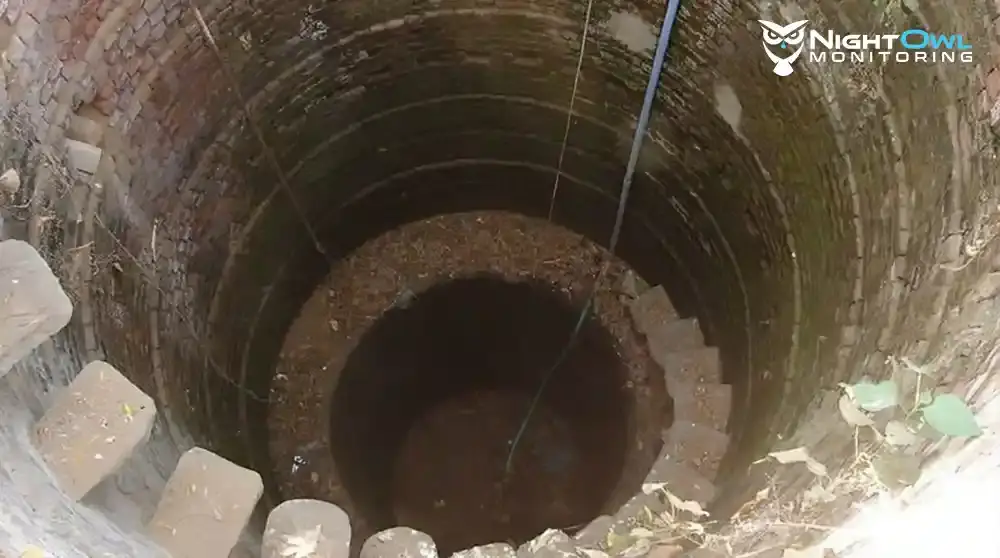
A private water well is a reliable source of groundwater for many homes across the United States, especially in rural areas where municipal water systems are not available. However, homeowners sometimes face a serious issue: a well running dry. Understanding what to do when water well runs dry can help homeowners respond quickly, protect their well system, and restore access to a dependable water supply.
If you suddenly have no water from your well, low water pressure, or inconsistent water flow, your well may be experiencing reduced water levels. Understanding what to do when a water well runs dry can help you restore your water supply and prevent long-term damage to your well pump system.
A well can run dry temporarily due to high water demand, drought conditions, or groundwater depletion. Fortunately, there are several steps homeowners can take to diagnose the problem and restore water flow.
Can a Water Well Run Dry?
Yes, water wells can run dry under certain conditions. A well pulls water from underground aquifers, and if the aquifer level drops below the well pump intake, the system may stop producing water.
Common reasons wells run dry include:
- Prolonged drought reducing groundwater levels
- Excessive water use from irrigation or sprinklers
- Leaving a hose or sprinkler running overnight
- Aquifer depletion due to nearby wells
- Sediment buildup or well screen blockage
In many cases, a well that runs dry may refill once groundwater levels recover.
Signs Your Well Is Running Dry
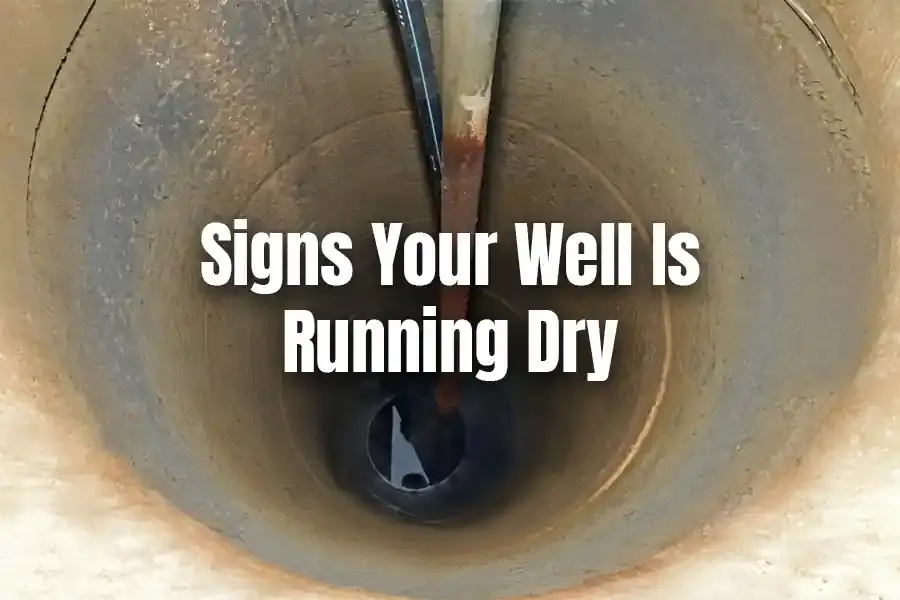
Recognizing signs your well is going dry early can help prevent pump damage and water shortages.
Common warning signs include:
- No water from the well or sudden loss of pressure
- Air sputtering from faucets
- Muddy or cloudy water from taps
- Intermittent water flow
- Pump running continuously without delivering water
These symptoms may indicate that the water well level is dropping or the pump is struggling to draw water from the aquifer.
How to Tell If Your Well Is Dry or the Pump Is Bad
Sometimes homeowners wonder how to tell if a well is dry or if the pump has failed.
Here are a few ways to diagnose the problem:
Check the Pressure Tank
If there is no pressure in the well pressure tank, the issue may be related to the pump or electrical components.
Listen to the Pump
If the pump runs but no water flows, the well may be running dry.
Check the Water Level
A professional technician can measure the static water level in the well to determine if groundwater levels have dropped below the pump intake.
If the pump is damaged from running dry, you may need water well pump replacement. If you are really serious about you well water and want to save your well before these problems, you can use NightOwl Monitoring’s water level monitoring system.
Immediate Steps to Take When Your Well Runs Dry
If your water well runs dry, there are several actions you should take immediately.
Turn Off the Well Pump
Running a pump without water can cause overheating and permanent damage. Turning off the pump protects the well pump system.
Reduce Water Usage
Avoid running appliances, irrigation systems, or sprinklers that draw large amounts of water.
Allow the Well to Recover
Some wells refill naturally as groundwater flows back into the aquifer. Waiting a few hours or overnight may restore water levels.
Check for Leaks or Running Water
Sometimes homeowners accidentally leave a garden hose or sprinkler running all night, which can drain the well.
Contact a Professional Well Service
If water does not return, contact well repair services near you to inspect the well and pump system.
How Long Does It Take for a Well to Refill?
One common question homeowners ask is how fast well water replenishes.
The refill rate depends on several factors:
- Aquifer size and groundwater flow
- Well depth
- Soil and rock conditions
- Local rainfall levels
Some wells may refill within a few hours, while others may require 24 hours or longer depending on groundwater availability.
Long-Term Solutions for a Dry Water Well
If your well keeps running dry, a professional technician may recommend several solutions.
Lower the Well Pump
Lowering the submersible pump deeper into the well can sometimes restore water access if groundwater levels have dropped.
Deepen the Well
Drilling deeper into the aquifer may increase water production.
Install a Water Storage Tank
Adding a well water holding tank or storage tank helps store water for high-demand periods.
Hydrofracturing the Well
Hydrofracturing increases groundwater flow by opening fractures in underground rock formations.
Drill a New Well
If the existing well no longer produces water, drilling a new water well may be necessary.
Preventing Your Well from Running Dry
Homeowners can take several steps to prevent future problems.
Recommended prevention tips include:
- Monitor household water usage
- Avoid running irrigation systems for long periods
- Schedule regular well inspections
- Install water conservation fixtures
- Test groundwater levels periodically
Proper maintenance helps ensure your well water supply remains reliable for years.
When to Call a Professional Well Service
If your well continues to experience water shortages, it may be time to contact professionals like NightOwl Monitoring for expert assistance.
Professional well technicians can:
- Inspect well pump systems
- Measure groundwater levels
- Diagnose pump or pressure tank issues
- Recommend repairs or well improvements
Professional support helps restore water supply quickly and protects your well equipment from damage.
Conclusion
Experiencing a water well running dry can be stressful, especially when your home relies entirely on groundwater. However, many dry well situations are temporary and can be resolved by allowing the aquifer to recharge or adjusting the well system.
Knowing what to do when a water well runs dry such as turning off the pump, reducing water usage, and checking for leaks can prevent damage to your well pump system. In more serious cases, professional well technicians may recommend solutions such as lowering the pump, installing a storage tank, or deepening the well.
With proper maintenance and responsible water use, most homeowners can keep their well water supply stable and dependable for many years.
FAQs
What happens when a water well runs dry?
When a well runs dry, the pump may pull air instead of water, causing no water pressure or intermittent water flow in your home.
How do you know if your well is running dry?
Common signs include low water pressure, air in faucets, muddy water, or no water coming from the well pump system.
Can a water well refill after running dry?
Yes, many wells refill naturally once groundwater flows back into the aquifer. The refill time depends on local groundwater conditions.
How long does it take a well to refill?
Some wells refill within a few hours, while others may take up to 24 hours or longer depending on aquifer size and groundwater flow.
What should you do if your well runs dry?
Turn off the pump immediately, reduce water use, allow the well to recover, and contact a professional well service if the problem continues.