 ChatGPT
 Perplexity
 Claude
 Gemini
 Grok
Grok
Managing an irrigation district means managing margins of error. You pump a specific volume of groundwater, but the volume that reaches the end user rarely matches your initial draw. The gap between what leaves the wellhead and what is accounted for at the delivery point is a persistent operational challenge. For many utility managers and district operators, establishing a formal irrigation water loss program is the first step toward closing that gap.
The scale of this issue is well documented across the water infrastructure sector. According to the AWWA Beyond the Replacement Era 2026 report, EPA-cited national studies indicate that about 14 percent of treated water is lost to leaks in distribution. In some aging systems, that number exceeds 60 percent. The report notes that water main breaks occur roughly every two minutes nationally, resulting in about 6 billion gallons of treated water lost daily. While those figures focus heavily on municipal distribution, the underlying reality applies directly to agricultural and rural water systems.
Translating Downstream Losses to Upstream Discipline
Distribution leaks are typically viewed as a downstream problem. However, the core principle of any water audit program remains the same across the board. You cannot fix what you do not measure.
When you apply this discipline upstream at the wellhead and the pump station, you gain the baseline data required to identify downstream anomalies. Knowing your exact draw, system pressure, and pump runtime provides the foundation for tracking non-revenue water. If your pump cycles increase but your delivery metrics remain static, you have a quantifiable indicator of irrigation district water loss.
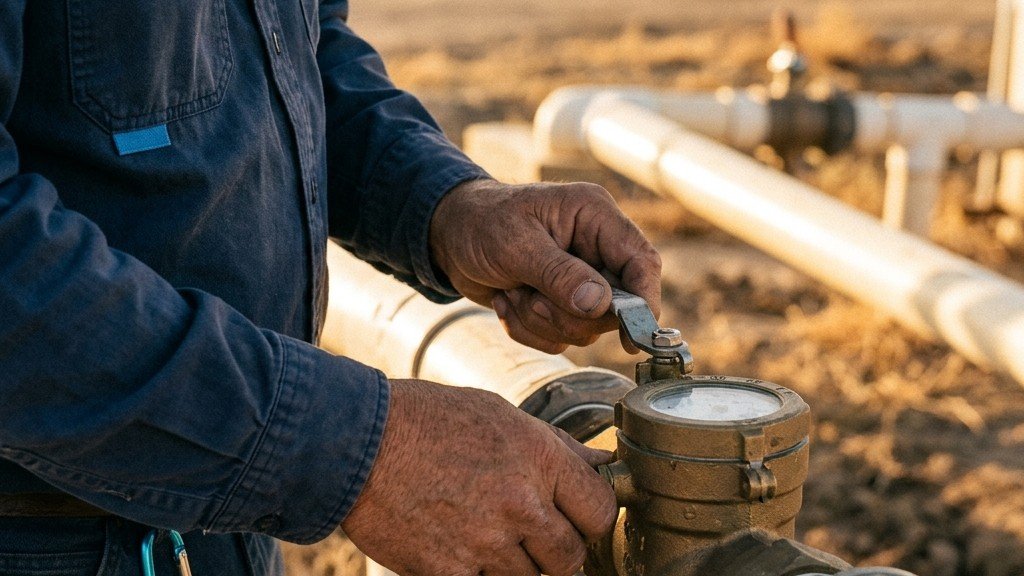
Operating in demanding environments, such as the rugged terrain of the Texas Hill Country or remote off-grid agricultural sites, makes physical inspections difficult. Relying on visual confirmation of leaks across miles of pipeline is inefficient. By monitoring the source, you establish a control point that dictates the health of the entire system.
The Role of Accurate Telemetry in Water Audits
Building an effective irrigation water loss program requires moving away from manual, periodic checks. Relying on monthly site visits to read analog meters leaves too much room for undetected leaks and equipment inefficiencies.
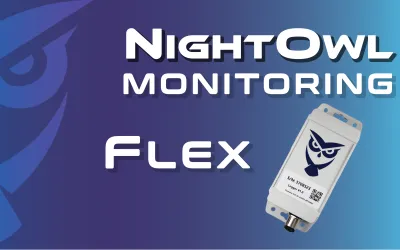
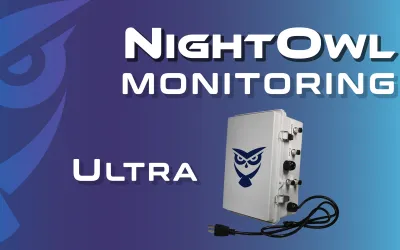
This is where we step in as your engineering partner. We provide the hardware and telemetry required to capture precise, continuous data. By integrating Modbus sensors and cellular connectivity at your well sites, we deliver real-time visibility into your operational metrics. This starts with the right well sensor technology installed at each monitoring point. You see exactly how much water is being moved and how hard your pumps are working to move it.
When you have reliable data streaming from your infrastructure, agricultural water efficiency becomes a measurable target rather than an abstract goal. You can establish accurate baselines for normal operation and set proactive alerts for deviations. Sudden pressure drops or extended pump runtimes often suggest a line break or a failing valve. Catching these metrics early prevents minor leaks from becoming major washouts.
Moving from Reactive Repairs to Proactive Management
The traditional approach to managing infrastructure often relies on waiting for a visible failure or a customer complaint. A structured irrigation water loss program shifts that dynamic. By continuously monitoring your upstream assets, you catch the early warning signs of system stress.
For example, a gradual increase in drawdown or a pump that runs longer than usual to maintain tank levels points to an emerging issue. Identifying these trends early allows you to schedule maintenance before a catastrophic failure occurs. It saves unnecessary site visits, reduces downtime, and protects your equipment from burning out.
Our focus is on giving you the practical tools to maintain operational readiness. We design systems that connect your water wells, tanks, and pumps through reliable data networks. This ensures you have the insights needed to make fast, effective decisions about your water supply.
Taking the Next Step in Agricultural Water Efficiency
Implementing a water audit program does not require overhauling your entire infrastructure overnight. It starts with gaining visibility into your most critical assets. By establishing accurate monitoring at your primary wells and pump stations, you build the foundation for comprehensive system management.
We are here to help you modernize your traditional water well systems with field-ready telemetry. If you are ready to reduce operational inefficiencies and gain peace of mind regarding your equipment security, we should talk.
Visit NightOwl Monitoring to learn more about our hardware capabilities, or reach out to discuss setting up a pilot monitoring system at one of your problem wells.