 ChatGPT
 Perplexity
 Claude
 Gemini
 Grok
Grok
For well drillers and pump service companies, few situations are more frustrating than receiving after-hours no water emergency call prevention from customers. The calls usually sound familiar: “I have no water,” “Water stopped working in house well,” “I have well water and no water,” or “Well water not working in house.” These emergency service requests almost always happen at the worst possible times, including nights, weekends, holidays, freezing weather conditions, or during peak irrigation demand. For drilling contractors, these emergency dispatches often lead to overtime labor costs, unplanned truck rolls, scheduling disruptions, customer frustration, and difficult troubleshooting situations in the field.
The biggest challenge is that many well system failures begin showing warning signs long before customers completely lose water. Unfortunately, traditional service models rarely provide real-time visibility into system performance until after the outage has already occurred.
This is why no water emergency call prevention is becoming a major operational priority for modern well drillers.
With remote monitoring technology, drillers can now detect pressure problems, pump irregularities, tank issues, and water level changes before customers ever pick up the phone.
Why “No Water” Emergency Calls Are So Expensive for Well Drillers
Emergency water calls are rarely simple service visits.
In many cases, drillers must:
- dispatch technicians immediately,
- travel long distances,
- diagnose problems onsite,
- manage upset customers,
- and repair systems under pressure.
These calls often lead to:
- high labor costs,
- after-hours overtime,
- fuel expenses,
- equipment wear,
- and lost productivity.
For rural service providers, travel time alone can consume hours.
Emergency service situations also create operational strain because technicians may already be scheduled for:
- installations,
- maintenance work,
- inspections,
- or pump replacements.
Every emergency interruption affects overall business efficiency.
Most “No Water” Calls Start With Small Warning Signs
One of the biggest misconceptions about water outages is that systems fail suddenly without warning.
In reality, most outages develop gradually.
Common early indicators include:
- low water pressure,
- irregular pump cycling,
- declining tank levels,
- electrical fluctuations,
- pressure drops,
- or excessive pump runtime.
Unfortunately, customers often do not notice these warning signs until they suddenly have:
- no water to house,
- no water pressure,
- or complete well failure.
This reactive approach creates unnecessary emergency water well service situations.
Common Causes of Emergency Water Outages
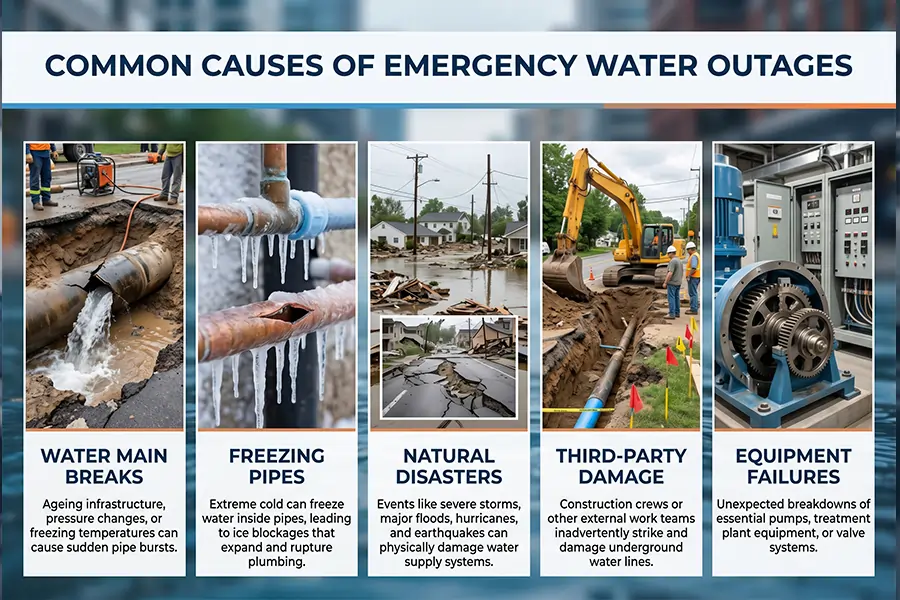
Understanding the root causes of outages is essential for effective no water emergency call prevention.
Pump Failures
Well pump wear is one of the most common causes of sudden outages.
A failing pump may show:
- abnormal runtime,
- inconsistent pressure,
- overheating,
- or cycling issues
before it stops completely.
Many customers only call after:
“I have a well and no water.”
Pressure Tank Problems
Pressure tanks regulate system pressure and reduce pump stress.
When tanks fail, systems may experience:
- rapid cycling,
- inconsistent water delivery,
- pressure drops,
- and pump overuse.
These issues can eventually lead to total water loss.
Electrical Problems
Electrical failures can instantly stop water delivery.
Common causes include:
- breaker trips,
- capacitor failure,
- damaged wiring,
- lightning damage,
- or voltage irregularities.
Customers often report:
- “Well water stopped working in house”
- “Water supply stopped”
- “Well not working”
without understanding the actual cause.
Dry Well Conditions
Groundwater fluctuations can create intermittent water outages.
Signs may include:
- muddy water,
- air in lines,
- low pressure,
- or sputtering faucets.
Some homeowners ask:
“Why is my well water black all of a sudden?”
This may indicate sediment disturbances or declining water levels.
Leak Conditions
Undetected leaks create:
- pressure loss,
- increased pump runtime,
- excessive cycling,
- and eventual pump damage.
Without monitoring, leaks may go unnoticed for extended periods.
The Problem With Reactive Service Models
Traditional well service operations are highly reactive.
The typical process looks like this:
- Customer loses water
- Customer calls driller
- Technician is dispatched
- Problem is diagnosed onsite
- Emergency repairs begin
This creates several challenges:
- limited preparation,
- unknown system conditions,
- inefficient scheduling,
- and higher operating costs.
Drillers often arrive onsite without knowing:
- whether the issue is electrical,
- mechanical,
- pressure-related,
- or groundwater-related.
This uncertainty slows response times and increases labor costs.
How Remote Monitoring Changes the Game
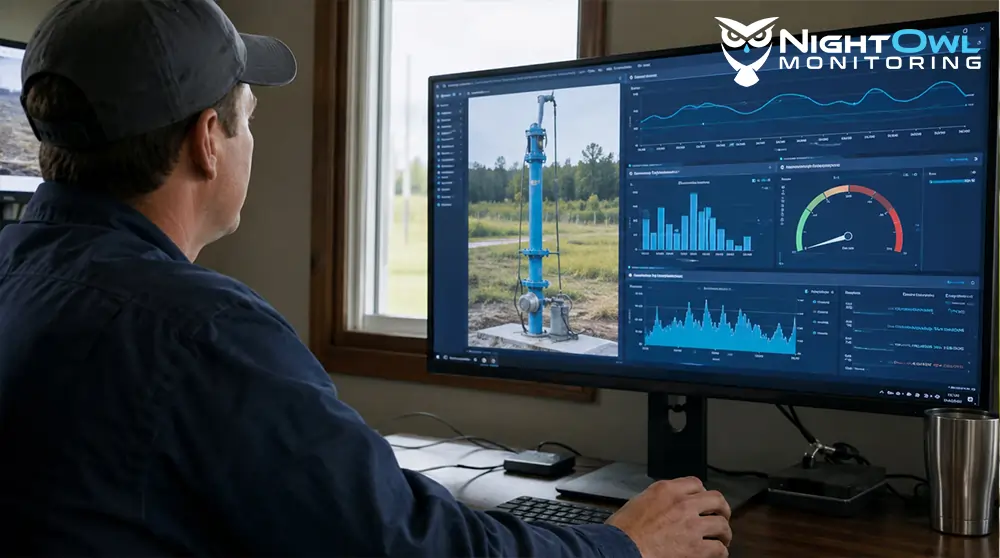
Modern remote telemetry systems allow drillers to monitor customer well systems in real time.
Instead of waiting for emergency calls, contractors can detect issues proactively through:
- pressure monitoring,
- runtime tracking,
- tank level monitoring,
- flow analysis,
- and automated alerts.
This is where water outage prevention remote monitoring becomes extremely valuable.
Rather than learning about failures after customers lose water, drillers gain visibility before outages occur.
Real-Time Alerts Help Prevent Emergency Calls
One of the biggest advantages of remote monitoring is instant alerting.
Systems can notify operators when:
- pressure drops suddenly,
- pumps stop running,
- runtime exceeds normal thresholds,
- tank levels become critical,
- or abnormal flow patterns appear.
This allows drillers to:
- identify developing issues,
- contact customers proactively,
- schedule maintenance earlier,
- and reduce emergency service situations.
In many cases, technicians can diagnose problems remotely before dispatching a truck.
Reducing Unplanned Water System Downtime
Reducing unplanned water system downtime is critical for:
- homeowners,
- farms,
- irrigation systems,
- RV parks,
- HOAs,
- and municipal systems.
Even short outages can disrupt:
- irrigation schedules,
- livestock operations,
- restaurants,
- businesses,
- and residential properties.
Remote monitoring helps minimize downtime by:
- identifying problems early,
- improving response times,
- and reducing catastrophic failures.
Why Remote Monitoring Creates a Competitive Advantage for Drillers
Today’s customers expect faster service, better communication, and improved reliability.
Drillers who offer remote monitoring solutions can differentiate themselves by providing:
- proactive service,
- advanced diagnostics,
- preventive maintenance,
- and improved system visibility.
This shifts the contractor relationship from:
“call us when something breaks” to: “we help prevent outages before they happen.”
That is a major competitive advantage.
Creating Recurring Revenue Opportunities
Remote monitoring also creates long-term recurring revenue potential for drilling companies.
Instead of relying entirely on:
- emergency calls,
- installations,
- and repair jobs,
contractors can offer:
- monitoring subscriptions,
- maintenance plans,
- proactive service agreements,
- and system oversight packages.
This creates more predictable business income while improving customer retention.
How Remote Monitoring Improves Customer Satisfaction
Customers care about reliability.
Nobody wants to wake up and suddenly say:
- “I have no water at my house”
- “No water no pressure”
- “I have well water and no water”
Remote monitoring helps drillers provide:
- faster issue detection,
- better communication,
- fewer emergency outages,
- and improved response times.
Proactive service builds trust and strengthens long-term customer relationships.
Remote Monitoring for Agricultural and Irrigation Systems
Agricultural operations face even greater risks from water outages.
If irrigation systems stop unexpectedly, farms may experience:
- crop stress,
- yield reduction,
- livestock risks,
- and operational losses.
Water outage prevention remote monitoring allows agricultural operators to:
- track pump performance,
- monitor tank levels,
- detect pressure loss,
- and reduce irrigation interruptions.
For rural drilling contractors serving farms, monitoring solutions create additional service opportunities.
How NightOwl Monitoring Helps Well Drillers Prevent Emergency Calls
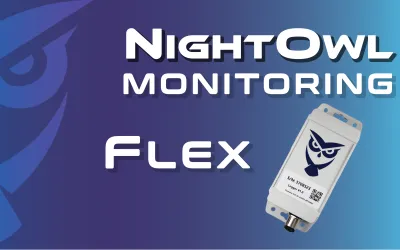
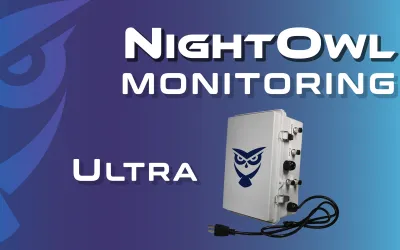
Solutions from NightOwl Monitoring help well drillers gain real-time visibility into customer water systems.
Using remote telemetry and cloud-based monitoring, drillers can monitor:
- pump activity,
- pressure levels,
- tank levels,
- runtime behavior,
- flow conditions,
- and system alerts remotely.
Instead of discovering failures only after customers report:
- “No water to house”
- “Well water not working in house”
- “Water supply stopped”
contractors can identify developing issues much earlier.
This proactive approach supports better service operations while reducing emergency dispatches and unexpected downtime.
The Future of Well Service Is Proactive, Not Reactive
The water well industry is changing rapidly.
Customers increasingly expect:
- smarter infrastructure,
- faster response times,
- and fewer outages.
At the same time, drillers face:
- labor shortages,
- rising fuel costs,
- larger service areas,
- and increasing operational pressure.
Remote monitoring helps solve these challenges by improving visibility and enabling predictive maintenance strategies.
For many drilling companies, no water emergency call prevention is becoming an essential part of long-term business growth.
Conclusion
Emergency “no water” calls are expensive, disruptive, and stressful for both customers and well drillers.
Most outages begin with warning signs that traditional service models simply cannot see in time.
Remote monitoring technology changes this entirely.
By providing real-time visibility into pumps, pressure systems, tank levels, and runtime behavior, drillers can detect problems earlier, reduce unplanned water system downtime, and improve customer service reliability.
Instead of reacting after customers lose water, modern drilling companies can now prevent many outages before they happen.
Solutions like those from NightOwl Monitoring help well contractors move toward smarter, more proactive water system management.
Frequently Asked Questions
What causes most emergency no water calls?
Most emergency calls are caused by pump failures, pressure tank issues, electrical problems, leaks, or dry well conditions.
How can remote monitoring help well drillers?
Remote monitoring provides real-time alerts for pressure loss, pump failures, tank issues, and abnormal runtime conditions before customers lose water.
What is no water emergency call prevention?
No water emergency call prevention involves using monitoring technology and proactive maintenance strategies to reduce unexpected water outages.
Can remote monitoring reduce truck rolls?
Yes. Remote diagnostics help drillers identify problems earlier and sometimes troubleshoot issues before dispatching technicians.
Why is unplanned water system downtime expensive?
Downtime can disrupt homes, farms, irrigation systems, businesses, and municipal operations while increasing labor and repair costs.
What systems benefit most from water outage prevention monitoring?
Residential wells, farms, irrigation systems, RV parks, HOAs, and municipal water systems all benefit from remote monitoring.
How do drillers create recurring revenue with monitoring services?
Drillers can offer subscription-based monitoring, preventive maintenance plans, and remote system oversight services to customers.