 ChatGPT
 Perplexity
 Claude
 Gemini
 Grok
Grok
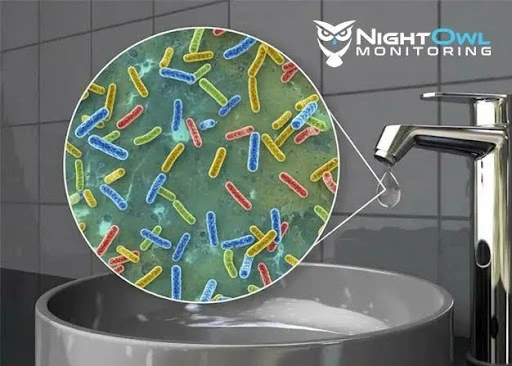
If you use a private well, “coliform bacteria” is one of the most important things you can test for-because it’s an early warning sign. In many cases, total coliform itself isn’t the thing that makes people sick. The bigger concern is what it suggests: that surface water or contaminants may be getting into your well system, which can increase the risk that other harmful germs could also be present.
For well owners, the goal is straightforward:
- Confirm safety with routine testing
- Fix the pathway that allowed bacteria to get in
- Use the right treatment approach (filtration plus disinfection)
- Monitor your system so problems are caught early
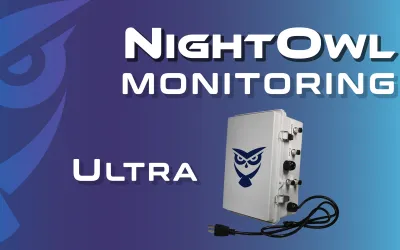
That’s also where NightOwl Monitoring fits naturally. While a lab test confirms bacteria, real-time well system monitoring helps you catch unusual changes-like pressure drops, abnormal flow, tank level issues, or excessive pump cycling-so you can respond faster, reduce downtime, and protect the system proactively.
What “Coliform” Actually Means
Coliform bacteria is a broad group of bacteria commonly found in the environment-soil, vegetation, and surface water. When a test detects coliform in your well water, it often means your well or plumbing system has a vulnerability that allowed contamination to enter.
Total coliform vs. fecal coliform vs. E. coli
- Total coliform: A general indicator group. Often not harmful by itself, but it signals the system may be exposed.
- Fecal coliform: More closely linked to contamination from warm-blooded animals.
- E. coli: A specific type that’s strongly associated with fecal contamination. A positive E. coli result is treated as a more urgent, higher-risk issue.
Why Coliform in Well Water Matters
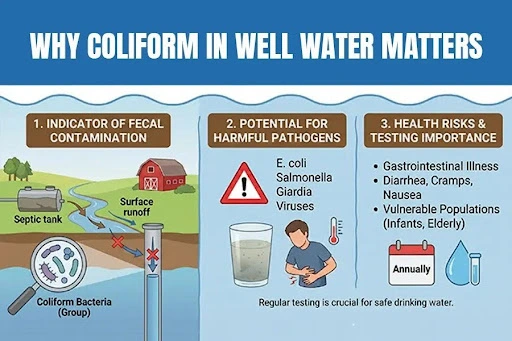
Private wells don’t get treated and monitored the same way public water systems do. That means the well owner (or operator) has to be proactive about safety. A coliform-positive result can point to:
- A one-time intrusion after a storm, flood, or recent well work
- A recurring structural issue like a failing seal or damaged well cap
- A plumbing pathway problem such as backflow or cross-connection
Even if nobody feels sick, coliform is still taken seriously because it can indicate the system is exposed to conditions where other pathogens may show up.
Common Causes of Coliform Bacteria in Well Water
Coliform usually shows up because something allowed surface contamination to reach the well water. Common causes include:
1) Problems at the wellhead
- A cracked, loose, or non-sanitary well cap
- Missing or poorly screened vents
- Poor grading around the casing that allows water to pool and drain toward the well
2) Heavy rain, flooding, or runoff
Big weather events can push bacteria from soil or runoff into vulnerable wells, especially shallow wells or older wells with compromised seals.
3) Construction or seal failures
- Cracks in the well casing
- Failed grout or seal
- Aging wells or improperly constructed wells
4) Plumbing and backflow issues
- Hose bibs without backflow protection (especially if a hose sits in a trough, pool, or container)
- Treatment systems or plumbing repairs that temporarily introduce contamination
- Cross-connections that allow dirty water to move backward into the system
How Often Should You Test Well Water for Coliform?
A simple baseline is at least once per year for total coliform bacteria. You should also test after any event that increases risk, such as:
- Flooding, heavy storms, or seasonal runoff
- Well repairs, pump work, or plumbing changes
- Sudden changes in water taste, smell, or appearance
- A long period of the home being vacant
- Any unexplained stomach illness in the household
Pro tip: Sampling technique matters. If the sample isn’t collected correctly, results can be misleading. Follow the lab’s instructions exactly.
What To Do If Your Well Test Is Positive for Coliform
If your results come back positive for total coliform, don’t panic-but don’t ignore it either.
A practical, common-sense response looks like this:
- Retest promptly, and make sure E. coli is included.
- Inspect the wellhead for cap issues, cracks, pooling water, and anything that could let contamination in.
- Check recent events: storms, flooding, repairs, power outages, or construction near the well.
- Correct the cause, not just the result. If a cap or seal is failing, replace or repair it.
- Consider disinfection if recommended by your local guidance or a water professional.
About shock chlorination
Shock chlorination is commonly used after contamination events or well service. It can be effective as a short-term corrective step, but it’s not always a long-term solution if the underlying pathway is still open. If contamination keeps returning, it’s a sign the well system needs a deeper inspection and correction.
Treatment Options That Address Coliform Risk
Because coliform is bacterial, treatment is typically centered around disinfection, often supported by prefiltration to protect equipment and improve performance.
Common long-term approaches include:
UV disinfection
UV can be very effective for microbes when it’s properly sized and maintained. It typically performs best when water is relatively clear and the system is set up at the correct flow rate.
Continuous chlorination
This usually involves chlorine injection plus contact time, and often a carbon filter afterward to remove chlorine taste and odor.
Membrane filtration (point-of-use)
Some households use tighter filtration at a sink location for drinking/cooking water, depending on goals. This can be useful, but whole-home microbial safety typically relies on disinfection methods like UV or chlorination.
Most well systems benefit from sediment filtration before these steps so equipment stays protected and water stays consistent.
Micron Filtration Explained (And Why It Matters for Well Water)
You shared a lot of micron-related keywords, so here’s the clean truth:
Micron filters are primarily for particles, not bacteria protection.
What are microns?
A micron (µm) is a very small unit of measurement used to describe particle size. Filter “micron ratings” help you understand what size debris the filter targets.
What is micron filtration?
Micron filtration is filtering water based on particle size-like sand, rust, silt, sediment, and other solids.
Here’s the key point that many well owners miss:
A sediment filter can improve clarity and protect plumbing and equipment, but it does not automatically make water biologically safe.
Some filters are marketed aggressively by micron size, but microbial protection depends on the filter type, design, rating method, and whether it’s actually intended to reduce bacteria-not just trap sediment.
Nominal vs. absolute micron rating (important)
- Nominal rating means the filter reduces most particles around that size.
- Absolute rating is a stricter measure and usually indicates a higher, more consistent capture level.
This difference matters a lot when people compare filters like “1 micron vs 5 micron.”
Micron Size Examples (Easy to Visualize)
To keep it simple:
- Coarse sediment can be dozens of microns
- Fine silt can be single-digit microns
- Many bacteria can be around the same general scale as 1 micron (or smaller in one dimension)
That’s why “smaller micron” doesn’t automatically equal “bacteria solved.” For microbial safety, you typically need UV, chlorination, or a system designed for microbial reduction.
5 Micron vs 20 Micron: Which Is Better for Well Water?
This is one of the most common questions.
20 micron filters
Best for first-stage sediment filtration:
- Handles bigger grit and sand
- Usually causes less pressure drop
- Helps prevent finer filters from clogging too fast
5 micron filters
Best as a second-stage polishing filter:
- Captures finer silt and sediment
- Improves water clarity
- Can clog faster if your well has heavy sediment
So when someone asks “which is better, 5 micron or 20 micron?” the real answer is:
They do different jobs.
If your well produces sediment, using them in stages often works best: 20 micron first, then 5 micron.
1 Micron vs 5 Micron Water Filter: Which One Should You Use?
A 1 micron filter can catch finer particles than a 5 micron filter, but it also tends to clog faster and can cause a bigger pressure drop. More importantly:
Micron size alone is not a reliable bacteria strategy.
If your concern is coliform or E. coli, focus on:
- Fixing the contamination pathway
- Using appropriate disinfection (UV or chlorination)
- Using sediment filtration to support and protect your equipment
What Micron Filter for Well Water Should You Use?
A practical setup (varies based on your well and water quality) often looks like this:
- Optional coarse prefilter or spin-down filter (good for sand/grit)
- 20 micron sediment filter (first stage)
- 5 micron sediment filter (second stage polishing)
- Carbon filter if you need taste/odor help
- UV or chlorination for microbial protection where needed
This approach keeps water clearer, protects equipment, and supports consistent treatment performance. Dive into Micron Filter guide to choose best one for your Well Water.
How NightOwl Monitoring Supports Safer Well Operations
Coliform testing still requires lab sampling, but prevention and fast response are where monitoring makes a difference.
With NightOwl Monitoring, well owners and operators can track real-time conditions like water levels, pressure, flow, and pump performance. When something changes suddenly-like unexpected drawdown, pressure instability, unusual pump cycling, or power events-those signals can prompt a quicker inspection before small issues become big ones.
In short: testing confirms, treatment fixes, and monitoring helps you stay ahead of the conditions that can lead to repeat problems.
Frequently Asked Questions
What is a micron filter?
A micron filter is a filter rated by the particle size it targets, mainly used for sediment and debris.
What does micron rating mean in water filters?
Micron rating describes the approximate size of particles a filter is designed to capture. Some ratings are “nominal” (less strict), and some are “absolute” (more strict).
Is 5 micron better than 10 micron?
Not always. A 5 micron filter captures finer sediment but can clog sooner and reduce pressure faster. A 10 micron filter may be a better balance in some systems.
Will a 5 micron whole house filter remove bacteria?
A typical 5 micron sediment filter is not designed as a bacteria solution. For microbial risk, disinfection such as UV or chlorination is usually the primary strategy.
How often should I test for coliform bacteria?
A good baseline is yearly, plus any time after storms, flooding, repairs, or noticeable water changes.
Final Thoughts
Coliform bacteria in well water is best viewed as a system integrity warning. It tells you the well or plumbing may be exposed to contamination pathways. The smartest approach is to test routinely, investigate the cause, fix vulnerabilities, and use treatment that matches your risk-especially disinfection when microbial safety is a concern.
If you want a proactive way to reduce surprises, pairing good water practices with real-time system insight is powerful. NightOwl Monitoring helps you keep visibility on the conditions inside your well system so you can spot unusual behavior early and protect your water supply with confidence.