
 ChatGPT
 Perplexity
 Claude
 Gemini
 Grok
GrokAs someone who’s spent decades navigating the complexities of well drilling and pump service operations, I’ve witnessed firsthand the industry’s evolution. We’ve moved from purely manual, reactive operations to an era where remote, data-driven system management is not just a luxury, but a necessity. The promise of new technology especially in areas like water well monitoring and pump system monitoring is immense. Yet, despite the incredible advancements, many of these solutions struggle to gain real traction in the field. Why?
The common narrative often blames the technology itself: “It’s too complex,” “It doesn’t work as advertised,” or “It’s not robust enough for our conditions.” While there might be isolated cases where that’s true, I’m here to tell you that, more often than not, the technology isn’t the problem. The real culprit lies in the *implementation* the friction points that arise from deployment, usability, and a fundamental disconnect from the realities of day-to-day field operations.
Beyond the Hype: Why Field Solutions Often Fall Short
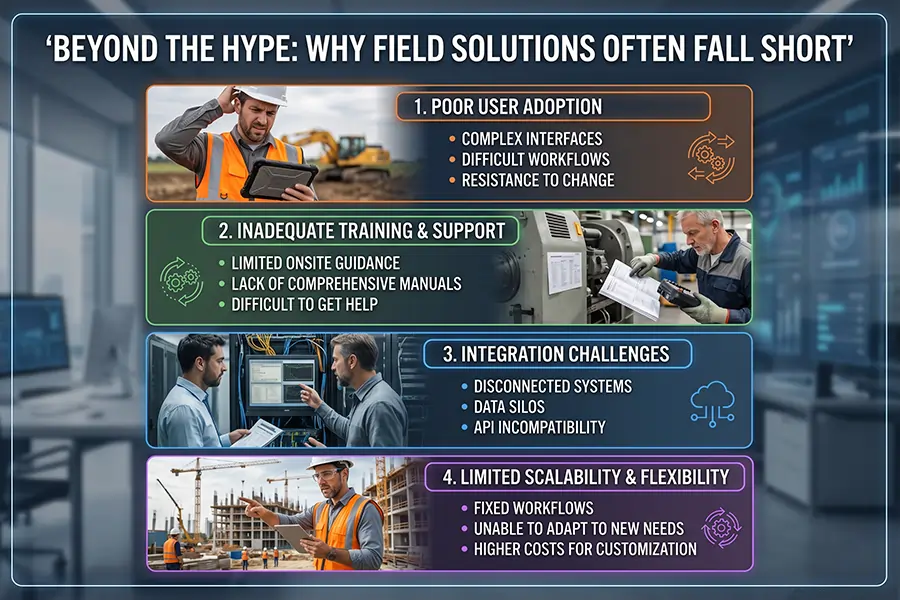
We’ve all seen the dazzling presentations and impressive spec sheets. New remote monitoring for water wells promises to revolutionize how we manage assets, reduce downtime, and optimize efficiency. And on paper, many of these solutions are brilliant. They boast sophisticated sensors, powerful analytics, and connectivity that seems almost magical. So, why do so many end up gathering dust or being underutilized?
The gap between a lab-tested prototype and a robust, field-ready solution is vast. What looks good in a controlled environment often crumbles under the harsh realities of a remote well site, a busy pump house, or the hands of a technician who’s already juggling a dozen other tasks. The industry’s rapid shift towards data-driven management demands solutions that don’t just *function*, but *integrate seamlessly* into existing workflows.
The Real Barriers to Adoption: More Than Just Features
Let’s break down the often-overlooked obstacles that derail even the most promising well drilling technology:
Installation Friction: The First Hurdle
Think about it: a new system arrives, packed with components, wiring diagrams, and a manual thicker than a phone book. If the installation process requires specialized engineering degrees, custom fabrication on-site, or hours of intricate wiring, it’s already fighting an uphill battle. Time is money, especially for pump service operations. Every extra hour spent on a complex setup is an hour not spent on billable work. Solutions that demand extensive, non-standardized installation procedures create immediate resistance and drive up initial costs, often negating the perceived long-term benefits.
Poor Usability for Field Technicians: The Daily Grind
The most advanced system in the world is useless if the people who need to interact with it daily find it frustrating. Clunky interfaces, unintuitive navigation, and a steep learning curve can quickly lead to abandonment. Our field technicians are experts in mechanics, hydraulics, and problem-solving under pressure not necessarily software engineers. They need systems that are straightforward, logical, and provide immediate, actionable information. If a technician has to spend 15 minutes trying to figure out how to pull up a simple tank level reading, that system isn’t helping; it’s hindering.
Alert Fatigue & Lack of Actionable Insights
The promise of real-time data is exciting, but an endless stream of non-critical alerts can quickly become overwhelming. “Alert fatigue” is a real phenomenon. When every minor fluctuation triggers a notification, critical warnings get lost in the noise. What operators truly need are actionable insights clear, concise information that tells them *what* is wrong, *where* it is, and often, *what to do about it*. A system that simply dumps raw data or generates generic alarms without context is a burden, not a benefit.
The Disconnect Between Office Decisions and Field Realities
Often, technology decisions are made in the office, based on vendor presentations and theoretical benefits. However, the true test comes when these solutions are deployed in the diverse, often challenging environments of the field. If the system wasn’t designed with the practicalities of a well site in mind power availability, cellular coverage, exposure to elements, or the need for quick, on-the-fly adjustments it will inevitably create a chasm between management’s expectations and the field team’s ability to utilize it effectively. This disconnect can undermine even the most well-intentioned technology investments.
What Actually Drives Success: The “Field-First” Philosophy
So, if features aren’t the sole determinant of success, what is? It boils down to a “field-first” approach solutions designed from the ground up with the end-user and the operational environment in mind. This means:
- Ease of Deployment: Systems that are quick to install, require minimal specialized tools, and can be set up by existing field personnel. Think plug-and-play, not custom engineering.
- Intuitive, Operator-Friendly Systems: Interfaces that are clear, concise, and provide immediate value. Data should be presented in a way that’s easy to understand and act upon, reducing the cognitive load on technicians.
- Scalable Program Design: Solutions that can be easily replicated and managed across a diverse portfolio of assets and multiple teams, ensuring consistent performance and simplified training.
A New Standard for Water Well Monitoring
The good news is that some companies have recognized these critical challenges and are building solutions that prioritize operational integration and user experience. They understand that the true value of remote monitoring for water wells isn’t just in collecting data, but in making that data accessible, actionable, and seamlessly integrated into daily operations. This new generation of solutions focuses on removing friction across installation, onboarding, and ongoing use, ensuring that the technology genuinely empowers pump service operations and well drilling companies.
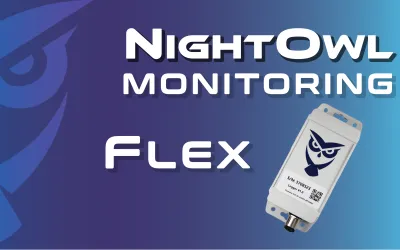
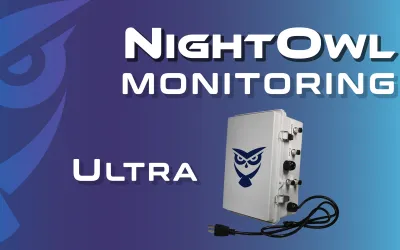
For example, NightOwl Monitoring has emerged as a leader in this space, designing smart systems that connect water wells, tanks, and pumps through real-time data, alerts, and control features. They’ve focused on delivering real-time visibility, reliability, and control for water wells, storage tanks, and pumping systems, enabling operations management from anywhere. This approach ensures that critical water utility’s safe and efficient use is maintained, providing insights into operational health, usage patterns, and potential service interruptions, all while simplifying the user experience.
Evaluating New Technology: A Practical Guide for Owners & Operators
Moving forward, when you evaluate new well drilling technology or pump system monitoring solutions, shift your focus. Don’t just ask “What features does it have?” Instead, ask:
- “How quickly and easily can my existing team install this without extensive training?”
- “Is the user interface intuitive enough for my field technicians to use daily without frustration?”
- “Does it provide actionable insights, or just more data?”
- “How does this integrate with our existing workflows and equipment?”
- “What does the ongoing support and maintenance look like from a field perspective?”
Prioritize solutions that demonstrate a deep understanding of your operational realities. Look for partners who have clearly invested in making their technology not just powerful, but profoundly *usable* and *deployable* in the real world.
The Future is Adoptable
The future of water well monitoring and pump service operations isn’t just about more advanced technology; it’s about technology that is truly adoptable. It’s about solutions that remove the barriers to entry, empower your field teams, and seamlessly integrate into your business, delivering tangible value from day one. When you prioritize ease of deployment, intuitive design, and operational integration, you’re not just investing in technology you’re investing in the success and efficiency of your entire operation.
It’s time to challenge the status quo and demand more from our technology providers. The industry deserves solutions that work not just in theory, but flawlessly in the field, every single day. Take Control of Your Water System Today!