 ChatGPT
 Perplexity
 Claude
 Gemini
 Grok
Grok
Groundwater Continuous Monitoring as a GCD Decision Tool
From 1980 to 2024, the United States sustained 403 weather and climate disasters with damages exceeding one billion dollars each, totaling over 2.9 trillion dollars. For operators dependent on groundwater, this weather volatility is not an abstract statistic. It shows up directly at the wellhead as fluctuating water levels, unexpected sediment events, and severe pump stress. To manage these variables effectively, utility managers and Groundwater Conservation Districts (GCDs) require precise, field-ready data. Implementing groundwater continuous monitoring serves as the operational layer that lets you see these events unfold in real time, rather than discovering them after a catastrophic failure.
Weather Volatility and Well Stress
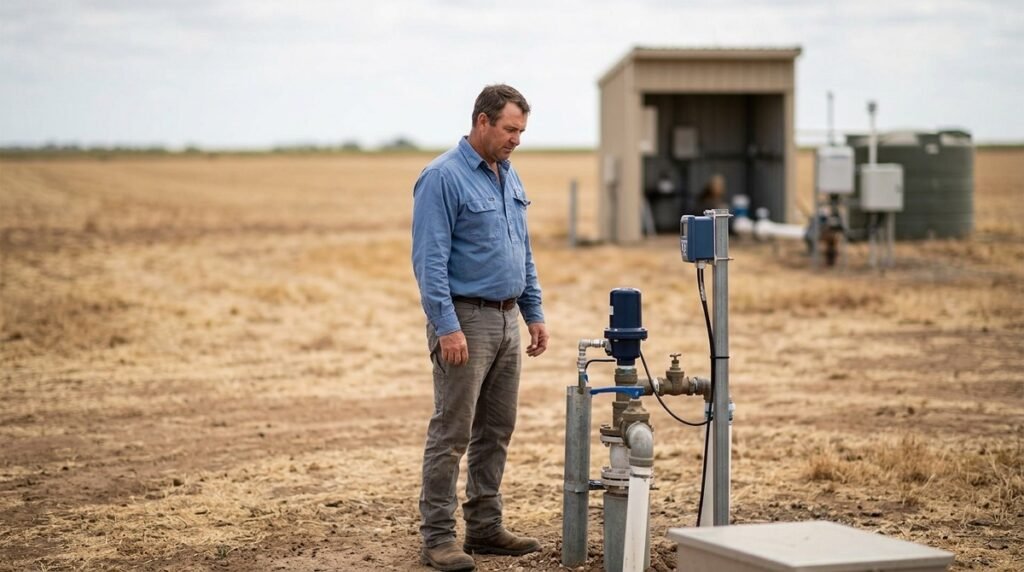
Drought frequency and intensity, combined with severe precipitation events, threaten water supplies across rural and municipal districts. When aquifers experience rapid recharge or prolonged depletion, the physical stress on your pumping equipment increases significantly. In regions like the Texas Hill Country, fluctuating water tables can lead to erratic pump cycles, increased drawdown, and reduced overall system lifespan. Without a clear view of these subsurface changes, operators are left guessing about the health of their infrastructure. Relying on manual measurements or outdated logs limits your ability to respond to changing aquifer conditions. The lack of visibility often results in emergency callouts that could have been prevented with better telemetry.
Groundwater Continuous Monitoring Value
A robust GCD decision tool relies on accurate, timely data to determine drought stages and allocate resources appropriately. This is where groundwater continuous monitoring becomes essential for modern water management. By deploying advanced IoT technology, we provide a direct line of sight into your well’s performance. Modbus sensors and reliable cellular connectivity transmit critical metrics directly to your dashboard. This steady stream of telemetry allows you to track static and pumping water levels with absolute precision. Instead of waiting for a monthly site visit to identify a problem, you can observe drawdown trends as they happen. Utilizing well sensor technology for measuring water level ensures that your operational decisions are based on factual performance metrics rather than historical assumptions.
Proactive Management with Real Data
The primary goal of integrating telemetry into your operations is proactive management. When you utilize this technology, you transition from reactive repairs to predictive maintenance. For example, tracking motor temperature and vibration can indicate when a pump is working too hard due to dropping water levels. This early detection prevents costly equipment damage and saves unnecessary trips to remote sites. The National Ground Water Association emphasizes the importance of data-driven aquifer management to maintain sustainable yields. By aligning your operational practices with these industry standards, you ensure long-term reliability for your water systems and protect your mechanical assets from premature failure.
Structuring a Reliable Decision Tool
For a Groundwater Conservation District, declaring a drought stage carries significant economic and operational weight for the surrounding community. A reliable GCD decision tool must be built on verifiable telemetry rather than estimates or sporadic manual tape drops. NightOwl Monitoring designs smart systems that connect water wells, storage tanks, and pumps through real-time data. This infrastructure allows utility managers to establish baseline performance metrics and set automated alerts for deviations. If a specific well shows abnormal drawdown, the system notifies you immediately. This capability is crucial for maintaining regulatory compliance and protecting the local groundwater supply during periods of extended drought.
Optimizing Pump Efficiency and Yield
Beyond drought management, groundwater continuous monitoring directly impacts the financial health of your operation. Inefficient pump cycles waste energy and accelerate mechanical wear, leading to inflated operational costs. By analyzing the data collected from your Modbus sensors, you can optimize pump efficiency to match the current capacity of the aquifer. This level of control is particularly valuable for off-grid agricultural applications and rural utilities where equipment replacement is logistically challenging and expensive. The Water Well Journal frequently highlights how modern telemetry reduces operational inefficiencies in the field, proving that real-time data is a practical necessity for today’s well operators.
Empowering Drillers and Operators
We understand that technology must serve a practical purpose in the field. Our hardware is built to withstand harsh environments while delivering the connectivity required for modern water management. By equipping your sites with reliable telemetry, you gain the peace of mind that comes from total operational visibility. Drillers can offer this technology to their clients as a value-added service, creating recurring revenue streams while ensuring the longevity of their installations. Ultimately, having access to real-time data empowers you to make informed decisions, protect your critical resources, and maintain uninterrupted service for your community regardless of the weather conditions above ground.