 ChatGPT
 Perplexity
 Claude
 Gemini
 Grok
Grok
Remote Well Monitoring For Spring Fed Irrigation Wells
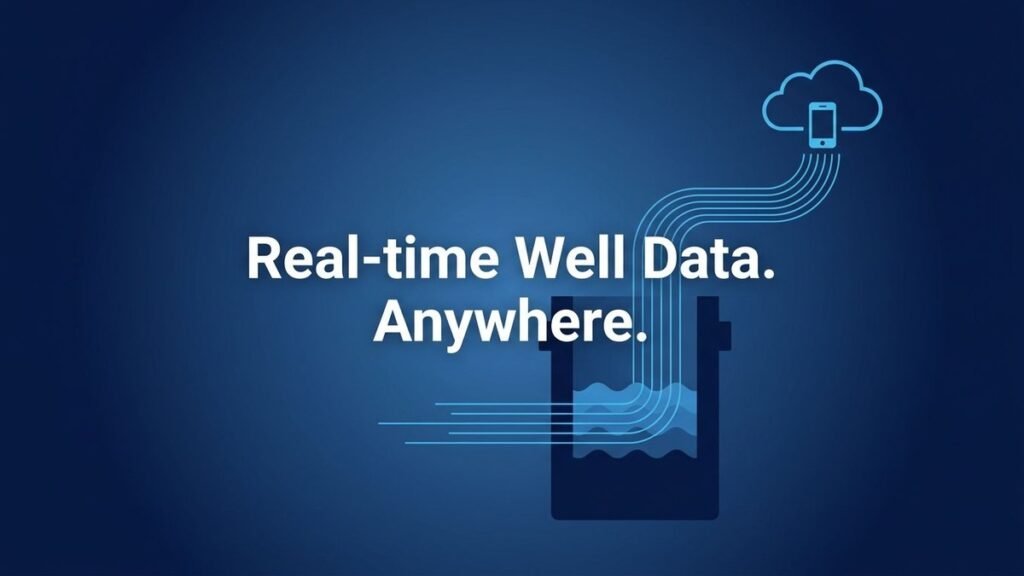
Managing a spring-fed well for summer irrigation requires accurate data to ensure you have enough water when the dry season peaks. Many property owners ask about the best way to track a shallow, ten-foot well to prevent running their pumping equipment dry. Implementing a reliable remote well monitoring system is the most effective approach to keeping a close eye on your supply. You can see your water levels live and take charge from anywhere, ensuring your agricultural investments remain properly hydrated.
Evaluating Remote Well Monitoring Connection Types
When setting up a tracking system, many users initially consider using their existing home network through Wi-Fi or a wired CAT 6a cable. Wi-Fi often seems convenient, but outdoor environments and physical distance severely weaken the signal, leading to constant data dropouts. Trees, structures, and weather patterns interfere with wireless routers that were designed primarily for indoor household use. Relying on a standard home internet setup for critical infrastructure leaves your operations vulnerable to dangerous blind spots.
Running a wired CAT 6a connection presents a different set of logistical headaches for rural property owners. Trenching a line from your house to the wellhead is labor-intensive and adds unnecessary costs to your installation project. Furthermore, buried cables are susceptible to physical damage from rodents, shifting soil, or accidental severing during routine yard work. You need a solution that avoids these physical vulnerabilities while providing consistent updates regarding your water levels.
The Advantages Of Cellular Telemetry
Cellular telemetry provides a significantly more robust communication method for agricultural and residential water systems. We have demonstrated the effectiveness of this technology at various industry events, such as a recent presentation in the City of San Marcos. During that event, we explained how our telemetry hardware requires only a minimal cellular signal to transmit vital data securely to the cloud. This means you do not need a perfect connection to receive continuous updates about your well performance.
Utilizing cellular networks completely bypasses the limitations of household routers and buried ethernet cables. Your well transmits its status independently, ensuring that power outages or router resets at your house do not disrupt your equipment data. This standalone connectivity allows you to catch small issues before they turn into big, expensive problems. The independence of cellular communication ensures your water supply is safe and closely watched at all times.
A System Built For Water Professionals
For decades, the industry relied on fragmented solutions that failed to provide a comprehensive view of operational health. A seasoned professional with thirty years in the pump business recently shared his frustration with pieced-together components at a convention center event. He wanted a complete monitoring product that actually addressed the realities of the field, which led directly to the development of our integrated platform. NightOwl was built specifically to solve these exact frustrations and deliver real-time visibility without complicated setups.
Across America, there are roughly 100,000 to 250,000 unmonitored water wells operating completely in the blind. Historically, tracking technology was neither affordable nor designed specifically for these smaller residential and agricultural setups. We changed that paradigm by engineering a cost-effective platform that brings enterprise-level insights to everyday well owners and local farmers. Now, managing your rural water resources is straightforward, secure, and accessible from your mobile device.
Recommended Equipment For Shallow Wells
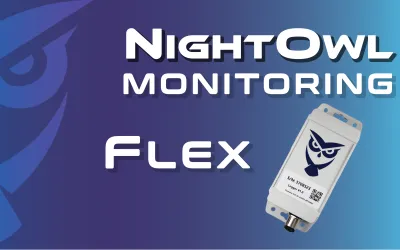
For a shallow, spring-fed application, we recommend deploying our standard cellular unit equipped with a high-quality submersible pressure transducer. You can read more about how sensors communicate with the NightOwl system to understand the mechanics of our data collection process. The pressure transducer sits near the bottom of your ten-foot shaft, accurately reading the weight of the water column above it. This analog data translates into precise depth measurements that you can view instantly on your dashboard.
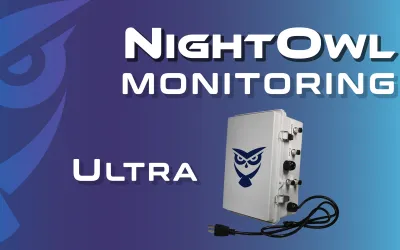
This setup is perfect for tracking aquifer recharge rates during heavy summer irrigation cycles. To see the specific hardware details, we invite you to review our guide designed to simplify remote well monitoring a closer look at the NightOwl Ultra. Our platform allows you to set custom thresholds so you receive an instant alert if the level drops dangerously close to the pump intake. Sleep easy knowing your equipment is protected with NightOwl and that your crops will receive the hydration they require.
Securing Your Summer Irrigation Supply
Summer watering demands place immense stress on shallow, spring-fed resources that fluctuate dramatically based on seasonal rainfall. It is essential to integrate remote irrigation monitoring for smarter farm water use to protect your financial investment. By tracking the exact drawdown and recovery times, you can schedule your watering cycles to match the natural replenishment of the spring. This proactive management prevents pump burnout and ensures long-term sustainability for your property.
Knowledge is your best defense against unexpected downtime and dry wells during the hottest months of the year. Our cellular systems give you the confidence to manage operations efficiently without constantly walking out to the wellhead to check water levels. We encourage users to rely on credible industry standards, such as those provided by NGWA, for broader groundwater management strategies. Your water supply is critical, and continuous tracking ensures it remains reliable throughout the summer heat.
Frequently Asked Questions About Well Sensors
Why avoid standard Wi-Fi for outdoor sensors?
Standard home routers lack the broadcast strength to penetrate exterior walls and cover the distance to a typical wellhead reliably. Environmental factors like heavy rain, foliage, and physical obstructions further degrade the wireless signal quality. Cellular units bypass these local network limitations entirely, offering a direct and highly stable connection to the monitoring dashboard.
Can I measure a well that is only ten feet deep?
Yes, specialized low-range pressure transducers are highly accurate in shallow environments like springs or cisterns. These sensors are calibrated specifically to detect very minor changes in water column pressure at shallow depths. They provide highly granular data that helps you understand the exact volume available for your daily irrigation usage.