 ChatGPT
 Perplexity
 Claude
 Gemini
 Grok
Grok
Strategies for Cloud SCADA Security in Water Systems
Water utility management requires uncompromising operational oversight and rigorous data protection. Implementing robust cloud SCADA security is no longer an optional upgrade for modern municipal and industrial telemetry networks. As organizations transition to remote monitoring platforms, safeguarding critical infrastructure against cyber threats becomes the primary mandate. Decision-makers must secure their networks to maintain continuous, reliable water access.
The Baseline for Cloud SCADA Security
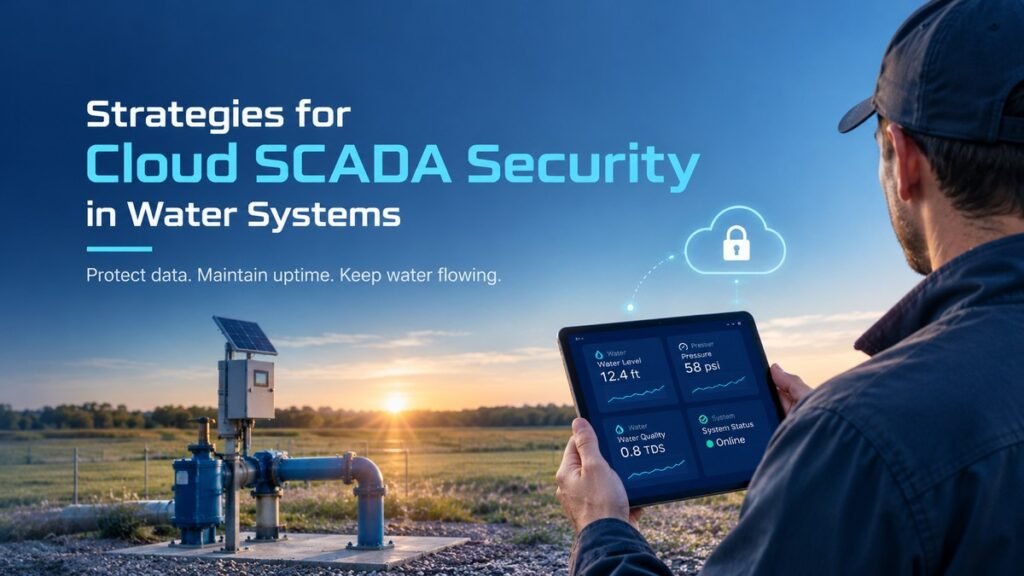
During a recent industry presentation in San Marcos, representatives demonstrated how modern water monitoring capabilities transform operational efficiency. The presentation highlighted vital metrics like water quality, chlorine levels, and water pressure being actively tracked through secure digital platforms. When operators view Total Dissolved Solids (TDS) remotely on a tablet, that data transmission must be shielded by enterprise-grade encryption. Protecting these data streams ensures operational integrity and prevents malicious actors from compromising municipal water supplies.
Moving Beyond Simple Alarm Mechanisms
Relying strictly on basic alarms leaves operations vulnerable to sudden, catastrophic failures. As highlighted by field experts utilizing NightOwl Monitoring LLC systems, having 24/7 access to monitor levels across all sites provides a distinct tactical advantage. Operators can review actual system data at any time instead of waiting for an emergency alert to trigger. This proactive approach requires secure authentication protocols to ensure only authorized personnel access the live dashboards.
Remote Diagnostics and Threat Prevention
Dispatching technicians without prior system knowledge drains municipal budgets and damages operational timelines. Remote technology allows teams to diagnose issues directly from a secure command center before ever rolling a truck. One clear illustration of this inefficiency is the frustrated manager crumpling a dispatch sheet after sending a crew blindly into the field. By leveraging proactive emergency call prevention strategies, operators maintain absolute control over their service deployments.
Safeguarding Vital Equipment Metrics
Industrial water systems depend on auxiliary equipment functioning flawlessly under severe conditions. Remote platforms track environmental factors like temperature, humidity, and critical equipment status, including pump house heater failures. If a heater fails during a freeze, instantaneous secure data transmission allows operators to intervene before pipes burst. By carefully monitoring well pump health remotely, you mitigate equipment loss and protect capital investments.
Structuring a Cyber-Resilient Network
Establishing a resilient defense requires multiple layers of authentication and rigorous data handling procedures. Every access point into the telemetry network represents a potential vulnerability if left unsecured. According to groundwater protection standards established by the National Ground Water Association (NGWA), protecting well data is integral to overall resource management. Administrators must enforce strict password policies, implement multi-factor authentication, and conduct regular audits of their monitoring environments.
Centralized Visibility for Decision Makers
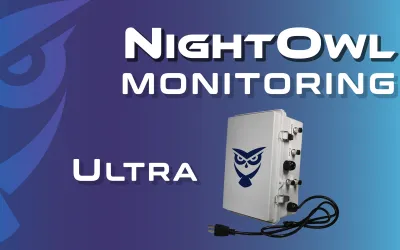
The architectural foundation of modern telemetry rests on absolute visibility into system health. Industrial operators cannot afford blind spots when managing widespread water storage and pumping assets. Utilizing platforms like the NightOwl Ultra provides leaders with quantifiable, actionable intelligence. For an in-depth breakdown of these hardware capabilities, review how to simplify your remote well monitoring setup.
Securing Environmental and Quality Data
Tracking water quality data points, such as chlorine concentration and TDS, demands uninterrupted and uncorrupted data flows. Any manipulation of this data could lead to severe regulatory violations or public health crises. Hardening your network architecture prevents unauthorized modifications to these critical public safety metrics. Strategic leaders prioritize this data integrity as a fundamental component of their operational risk management portfolio.
Financial Impact of Telemetry Security
The financial ramifications of a compromised SCADA system extend far beyond immediate hardware repairs. System downtime leads to massive operational inefficiencies, wasted water resources, and lost community trust. Investing in secure telemetry architecture acts as an insurance policy against these catastrophic financial drains. Decision-makers must view cybersecurity not as an IT expense, but as a core business continuity imperative!
Managing Firmware and System Updates
Static software becomes a liability in an evolving threat landscape. Telemetry vendors must push regular, secure firmware updates to remote hardware to patch emerging vulnerabilities. When a system receives an update, the transmission tunnel must be heavily encrypted to prevent code injection from outside threat actors. Maintaining current firmware guarantees that your sensors and communication gateways operate with the highest possible resilience against modern digital intrusions.
Securing the Future of Water Operations
The integration of smart sensors into traditional water well systems represents a permanent shift in utility management. As these networks expand to include more nodes and automated controls, the attack surface naturally widens. Leaders must mandate stringent cybersecurity frameworks across their entire organizational footprint to protect these invaluable water resources. Taking decisive action today ensures that your municipal and industrial telemetry systems remain secure, reliable, and fundamentally sound for decades to come.