 ChatGPT
 Perplexity
 Claude
 Gemini
 Grok
Grok
How to Tell if Your Well Pump Is Failing
Water systems are the critical lifeblood of residential neighborhoods and agricultural operations across the country. Surprisingly, industry experts estimate there are roughly 100,000 to 250,000 unmonitored water wells currently operating in America today. Historically, these vital systems lacked continuous oversight because previous technology was neither affordable nor designed specifically for the unique challenges of groundwater applications. When operators ask how to know if their well pump is failing, they often seek clarity on the mechanical warning signs that precede a total breakdown. Recognizing the symptoms of decline early can save you from expensive emergency repairs and extended operational downtime.
What Happens When Your Well Pump Is Failing
The first stage of equipment degradation often presents itself through subtle changes in your daily water pressure and flow rates. Sputtering faucets are prime examples of a system struggling to maintain steady output during routine usage. These symptoms frequently indicate that air is entering your water lines, which points to a potential crack in the drop pipe or a malfunctioning check valve deep underground. As the equipment works harder to push water through compromised lines, the internal mechanical components experience accelerated and uneven wear. Learning the common reasons well technology breaks down helps operators stay ahead of catastrophic breakdowns and protect their long-term investments.
Audible and Financial Warning Signals
As the internal components of your water system continue to deteriorate, the warning signs become more pronounced and easier to detect. Unusual noises radiating from your pressure tank or the well casing itself are clear indicators of severe mechanical distress. Grinding, clicking, or rapid cycling sounds suggest that the motor is overworking or that the internal bearings are starting to seize under pressure. You will often notice a corresponding spike in your monthly energy bills as the failing equipment draws excessive power to maintain basic operations. Following strict groundwater management protocols ensures you address these audible red flags before the motor burns out completely.
The Shift from Manual to Smart Monitoring
For decades, property owners relied on manual inspections and piecemeal parts to keep their water systems operational. This fragmented approach requires constant physical presence and leaves significant blind spots regarding your underlying system data. Without continuous oversight, operators are essentially guessing about the health of their equipment until a total failure forces an emergency response. Industry veterans with over thirty years of pump experience recognize that modern operations require complete visibility rather than disconnected, temporary fixes. You can catch pump issues remotely by relying on a unified platform designed specifically for the rigorous demands of groundwater extraction.
Analyzing Electrical Draw and Voltage Spikes
Electrical inconsistencies are often the hidden culprits behind premature pump failure in both residential and commercial settings. When a motor begins to fail, it naturally requires more electrical current to spin the impeller and lift water to the surface. Monitoring the exact amp draw provides a clear mathematical picture of how hard your system is working on a daily basis. Interactive data points on a digital dashboard allow operators to review historical trends and pinpoint the exact moment a motor began drawing excess power. Having this detailed logging of peak voltages empowers you to hold power companies accountable if external surges damage your equipment.
Advanced Tracking for Complete Peace of Mind
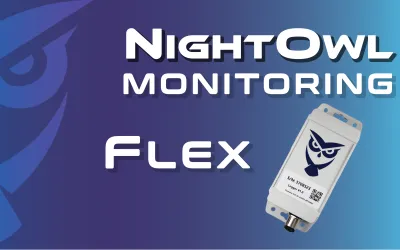
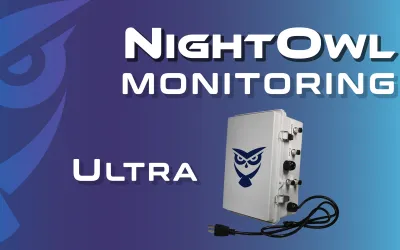
Modern technology has transformed how municipalities and private owners manage and protect critical water infrastructure from unexpected failures. By implementing continuous oversight, you can track vital metrics such as pump runtimes, voltage levels, and overall system health for every minute of the day. A comprehensive platform like NightOwl Monitoring provides a live dashboard accessible directly from your smartphone or office computer. This accessibility ensures you have accurate data for fast and effective decisions without ever needing to dispatch a truck for a manual inspection. You can easily evaluate if this level of service is right for your property and make the investment to secure your daily operations.
Securing Your Water Supply Long Term
The ultimate goal of upgrading your water infrastructure is to prevent unexpected failures and protect your valuable equipment over the long term. By tracking motor temperature and vibration, you gather concrete data on equipment stress long before those audible grinding noises begin. These precise sensors alert you instantly to abnormalities, allowing you to secure your water supply and sleep better at night. Taking a proactive stance means you address minor fluctuations before they escalate into major disruptions for your home or business. Ultimately, maintaining pump efficiency over time becomes a straightforward process when you have accurate, real-time insights guiding your maintenance schedule.