 ChatGPT
 Perplexity
 Claude
 Gemini
 Grok
Grok
Texas Agriculture Demands Smart Irrigation Practices
Texas farmers operate under strict resource constraints, making water management a critical business priority. Relying on outdated methods for crop hydration directly threatens operational margins and long-term sustainability. By implementing smart irrigation practices, agricultural leaders can leverage real-time well data to maximize crop yields while drastically reducing water waste. This shift transforms traditional farming operations into highly efficient, data-driven enterprises.
Smart Irrigation Practices Built on Data
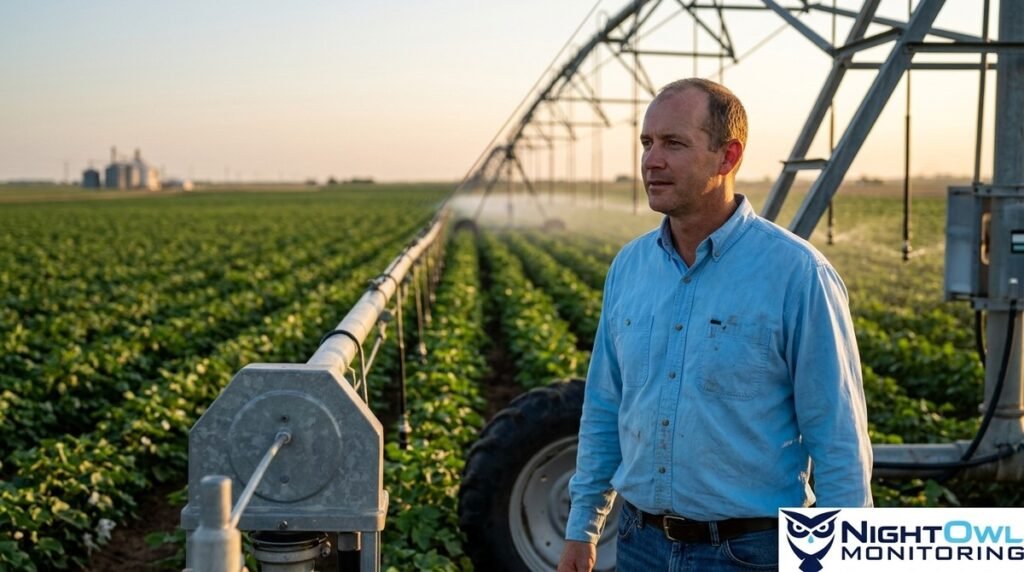
Historically, agricultural well health was evaluated through manual inspections and reactive responses to catastrophic equipment failures. A farmer standing in a field looking at irrigation piping often lacked the necessary insight to assess subterranean equipment performance accurately. Today, establishing a robust remote irrigation monitoring platform replaces guesswork with actionable intelligence. Decision-makers now have continuous access to monitor levels across all their sites directly from a smartphone or tablet.
The core of this modernization lies in tracking actual system data rather than waiting for critical alarms to trigger. Industry experts, including veterans with decades of pump management experience, consistently emphasize the need for comprehensive monitoring rather than fragmented, unreliable solutions. Affordable monitoring technology is now available to address the hundreds of thousands of unmonitored water wells across the country. Upgrading these legacy systems immediately protects vital agricultural investments and secures ongoing operational capabilities.
Key Metrics for Agricultural Well Health
Effective water management requires continuous visibility into the mechanical and electrical status of your pumping infrastructure. When operators track live metrics, they can make informed decisions that prevent costly emergency callouts and equipment destruction. Monitoring specific technical parameters ensures that irrigation systems perform at peak efficiency during critical watering schedules. Understanding the early signs of well pump failure allows maintenance teams to address minor issues before they escalate into complete operational halts.
Modern dashboards provide immediate visibility into several vital system components that dictate overall well health. Agricultural operations must track these specific data points to maintain consistent crop hydration and protect their hardware.
- Pump Power and Voltage: Tracking electrical consumption helps identify inefficient motors that are drawing excess current and driving up utility costs.
- Amp Draw Fluctuations: Sudden changes in amp draw often indicate mechanical resistance, signaling imminent component wear or impending blockages.
- Live Water Levels: Continuous measurement of groundwater and storage tank capacities ensures that pumping schedules align with actual resource availability.
- System Pressure: Maintaining correct water pressure prevents pipeline stress and guarantees uniform distribution across large agricultural tracts.
Financial Impact of Continuous Monitoring
The financial justification for upgrading traditional farm infrastructure is undeniable when evaluating the cost of unexpected downtime. A single mid-season well failure can devastate crop yields and require emergency replacement expenditures that severely impact annual profitability. Following established Groundwater Management guidelines helps agricultural enterprises safeguard their aquifers against over-extraction and depletion. Proactive resource protection guarantees that farming operations remain viable and profitable for future generations.
Water waste directly correlates to lost revenue, making precise usage tracking an indispensable tool for commercial farms. Transitioning to a system that measures electrical cords on water meters and tracks liquid levels precisely eliminates operational blind spots. Taking the initiative to deploy a dedicated irrigation water loss reduction program quickly identifies leaks and inefficiencies within complex piping networks. This precise oversight drastically reduces utility bills and conserves regional water supplies during periods of intense drought.
Transforming Unmonitored Texas Water Wells
A significant portion of agricultural infrastructure currently relies on private wells that lack basic compliance and performance tracking. Previously, these private systems lacked monitoring capabilities because the available technology was neither affordable nor designed specifically for rural environments. New compliance well monitoring packages provide every private well owner with user-friendly mobile applications and comprehensive tablet dashboards. This accessible technology bridges the gap between massive municipal systems and independent farming operations, delivering enterprise-grade insights at a practical price point.
Real-time data integration is the definitive standard for modern agricultural water management in Texas. Operators who embrace these technological advancements gain absolute control over their water supply, ensuring maximum efficiency and resource protection. To review how these advanced solutions can secure your operational margins, visit NightOwl Monitoring LLC and explore the comprehensive dashboard capabilities. The time to modernize your agricultural infrastructure and protect your bottom line is now.
Frequently Asked Questions
How do data dashboards improve farm margins?
Live data dashboards allow farm managers to track precise utility usage and prevent catastrophic equipment failures before they occur. By viewing actual electrical draw and water levels in real time, operators can adjust usage patterns to lower energy costs significantly. This proactive maintenance approach prevents expensive emergency repairs and ensures uninterrupted crop hydration during critical growing phases.
Can legacy agricultural wells be monitored?
Yes, modern sensory equipment is specifically designed to retrofit existing agricultural wells without requiring complete infrastructure replacement. Current technology utilizes straightforward installations, such as monitoring electrical cords on water meters, to provide comprehensive tracking of liquid levels and pump health. This allows older, unmonitored systems to join a connected network for a fraction of the cost of drilling new wells.