 ChatGPT
 Perplexity
 Claude
 Gemini
 Grok
GrokRealizing Cloud Telemetry Cost Reductions in the Field
Well operators and utility managers face persistent operational hurdles when relying on manual site visits to verify equipment status and water levels. The reliance on physical inspections drains labor resources, inflates fuel budgets, and leaves water systems vulnerable to undetected failures between scheduled checks. Managing remote water wells, chemical feed tanks, and complex pumping systems requires a more reliable approach than periodic human observation. By deploying advanced hardware and sensors, operations managers are achieving substantial cloud telemetry cost reductions across their organizations. We provide practical IoT solutions that replace speculative site visits with continuous, verifiable field data.
The Burden of Manual Well Inspections
Historically, verifying groundwater infrastructure required dispatching technicians across rugged terrain, such as the Texas Hill Country, simply to check water pressures and read mechanical flow meters. These manual routines consume countless labor hours and drive up fuel expenditures, often resulting in technicians arriving at a remote off-grid agricultural site only to find the system functioning normally. A veteran of the water pump industry with three decades of field experience recently highlighted this exact frustration while discussing the development of our hardware. He recognized that fragmented monitoring solutions were inadequate for serious operators, leading to the creation of a comprehensive well-monitoring system built for reality. Relying on isolated alarms and manual checks is no longer financially viable for modern drilling operations that need to scale efficiently.
Transitioning to Continuous Remote Monitoring
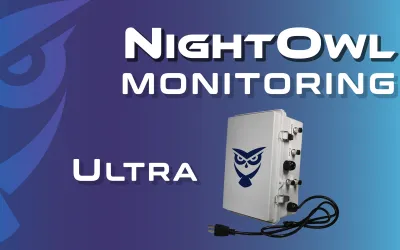
Modern infrastructure demands continuous visibility into system performance without requiring a physical presence at the pump house. During a recent presentation for the City of San Marcos, operational leaders detailed how remote technology completely eliminates unnecessary service technician dispatches by providing a complete operational history. By accessing a live monitoring application, managers can review real-time metrics such as pump power, voltage, and amp draw directly from a smartphone or tablet. This level of insight allows operators to diagnose mechanical issues, such as a drop in voltage indicating impending motor wear, before sending personnel to the field. Making manual on-site diagnostics obsolete is a core benefit, and you can review the technical specifications for this capability by examining the NightOwl Ultra remote monitoring hardware.
Quantifying Cloud Telemetry Cost Reductions
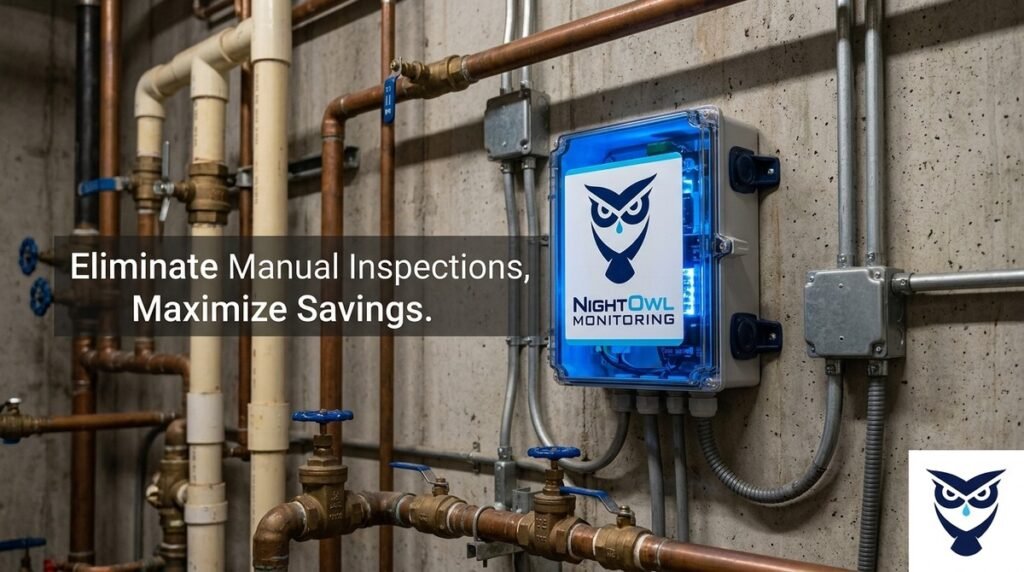
The financial impact of replacing manual inspections with cellular and satellite-connected sensors becomes evident within the first few billing cycles. A rigorous operational analysis of before-and-after scenarios reveals that cloud telemetry cost reductions stem directly from minimized vehicle mileage and repurposed labor hours. Eliminating routine drives to verify tank levels can save operators thousands of dollars annually in fuel and vehicle maintenance alone. Instead of paying technicians for windshield time, those skilled workers can focus on proactive maintenance, system upgrades, and executing high-value tasks. Identifying abnormal drawdown or excessive pump cycles early also allows operators to prevent catastrophic equipment damage, as detailed in our guide on preventing emergency dispatch calls for drillers.
Real-Time Data and Proactive Management
Effective groundwater management requires operators to review precise environmental and mechanical data rather than waiting for failure alarms to trigger. We utilize advanced Modbus sensors to track a wide array of critical metrics, ranging from total dissolved solids and chlorine levels to ambient temperature and humidity inside the facility. For instance, detecting a pump house heater failure in real time allows for immediate corrective action before sensitive piping freezes and bursts during winter months. Operators evaluating their compliance needs often integrate these insights with data aggregation platforms like Waterly, which proves invaluable for RV park owners and municipal operators responsible for tracking multiple wells. Maintaining this level of oversight aligns with the best practices advocated by NGWA Groundwater Management for sustainable aquifer stewardship.
A New Standard for Well Operators
The transition away from manual site visits represents a fundamental shift in how water utilities and service companies manage their portfolios. Operators now have around-the-clock access to monitor storage tank levels and chemical feed systems across all of their dispersed locations simultaneously. Reviewing this historical and live information empowers managers to refine their workflows, streamline their operations, and make rapid, engineering-backed decisions based on facts. Adopting these proactive management tools provides unparalleled peace of mind while protecting critical municipal and agricultural resources from unexpected downtime. If you are ready to modernize your operational strategy, explore how we are revolutionizing well asset management for drillers.