 ChatGPT
 Perplexity
 Claude
 Gemini
 Grok
Grok
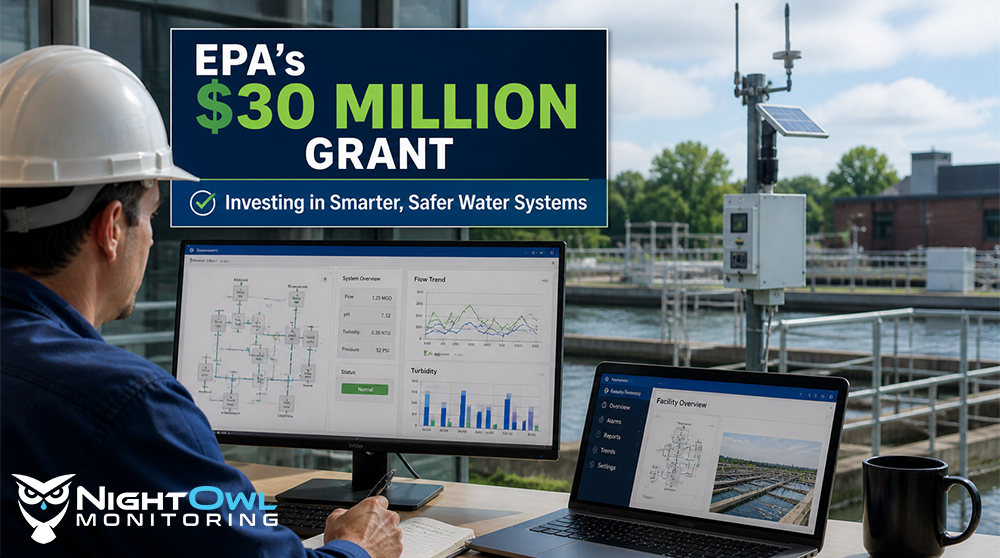
Small and rural water systems across the United States are entering a critical opportunity in 2026. Through the RealWaterTA program, the United States Environmental Protection Agency has introduced $30 million in funding to help communities strengthen and modernize their water infrastructure.
For many operators, the biggest challenge is not just maintaining water supply, but identifying issues before they lead to failure. This is where remote monitoring becomes essential.
This guide explains how the EPA RealWaterTA grant remote monitoring 2026 opportunity works and how your system can use it to implement advanced monitoring without absorbing the full cost.
What Is the EPA RealWaterTA Grant?
The RealWaterTA (Real-Time Water Technical Assistance) grant is designed to support small and rural water systems by providing funding and technical assistance to improve performance, compliance, and reliability.
Key details include:
• Total funding of $30 million
• Focus on small and underserved water systems
• Support for monitoring, infrastructure upgrades, and compliance
• A limited application window of approximately 30 days
This initiative is part of broader water infrastructure funding efforts in 2026 focused on improving resilience and operational efficiency.
Why Remote Monitoring Is a Priority in 2026
Water systems today face increasing pressure from aging infrastructure, climate variability, and regulatory requirements. Many systems still rely on manual checks and delayed reporting, which creates gaps in visibility.
Most failures do not occur suddenly. They develop gradually through early warning signs such as:
• Declining water levels
• Increased pump runtime
• Unstable flow rates
• Power irregularities
Without real-time monitoring, these signals often go unnoticed until system failure occurs.
What Is Remote Water Monitoring?
Remote water monitoring is a system that tracks water levels, flow, pump activity, and system performance in real time using sensors and cloud-based dashboards.
It allows operators to:
• Monitor systems remotely
• Receive instant alerts
• Access real-time data
• Respond before failures occur
Solutions like NightOwl Monitoring provide this level of visibility through connected devices and cloud-based systems designed for wells, tanks, and pumping infrastructure.
How the EPA Grant Supports Monitoring Technology
The RealWaterTA funding is structured to help water systems adopt modern monitoring technologies that improve reliability and compliance.
Eligible use cases include:
• Water level monitoring systems
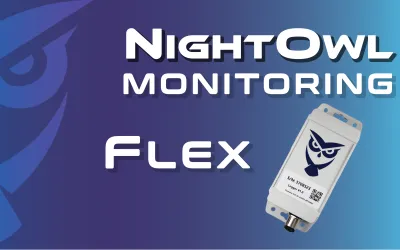
• Tank monitoring solutions such as NightOwl TLM
• Pump performance tracking
• Flow and usage monitoring
• Cloud dashboards and alert systems
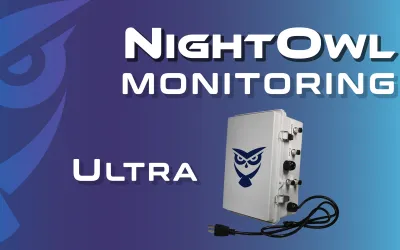
This makes it possible to implement advanced solutions like NightOwl Ultra, which combines monitoring, cloud data visibility, and remote command capabilities such as turning pumps on or off.
Real Problems This Funding Can Solve
Many small water systems experience recurring operational issues that can be addressed through monitoring.
• Wells running dry without warning due to lack of visibility
• Pump damage caused by dry running
• Tank overflows leading to water waste
• Compliance issues from missing or delayed data
These are exactly the challenges targeted by EPA compliance funding for small systems.
How to Apply for the EPA RealWaterTA Grant
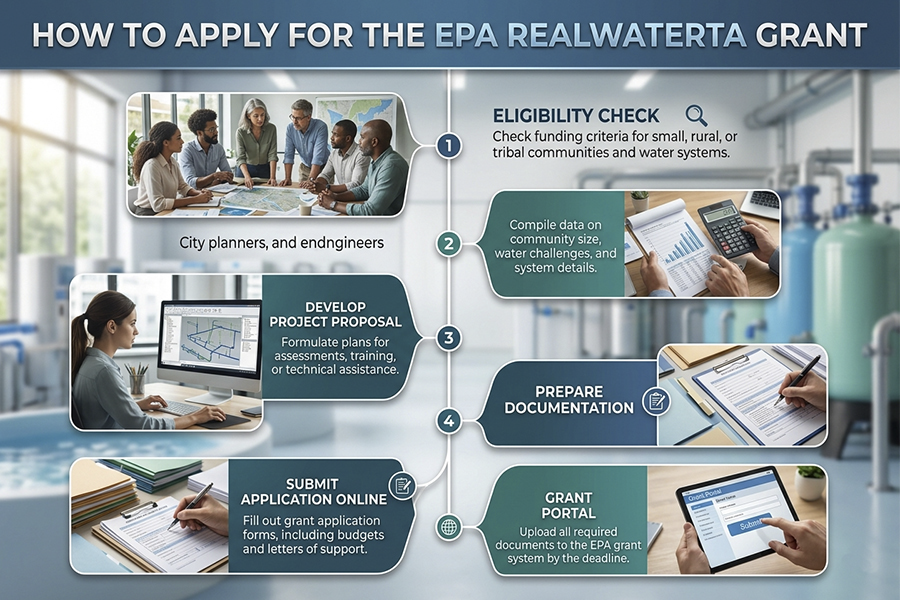
Understanding the application process improves your chances of approval.
Step 1: Confirm Eligibility
Start by determining whether your system qualifies as a small or rural water system serving a limited population. Most eligible systems face infrastructure limitations or lack modern monitoring capabilities, which makes them strong candidates for this funding.
Step 2: Identify System Gaps
Evaluate your current operations to identify weaknesses such as lack of real-time monitoring, delayed issue detection, or recurring system failures. Clearly defining these gaps helps demonstrate the need for funding.
Step 3: Define a Monitoring Solution
Outline how the grant will be used to solve your specific problems. For example, implementing NightOwl Ultra can provide real-time monitoring, cloud visibility, and remote control of pumps, allowing faster response to system changes.
Step 4: Prepare Documentation
Prepare a clear and structured proposal that includes your system overview, technical requirements, estimated budget, and implementation plan. Strong documentation increases the likelihood of approval.
Step 5: Submit Your Application
Submit your application through the official EPA grants portal: https://www.grants.gov/
Search for “EPA RealWaterTA” or similar funding opportunities and complete your submission within the limited 30-day application window.
Why Remote Monitoring Strengthens Your Application
Funding programs prioritize solutions that improve long-term system performance and reliability.
Key benefits to highlight include:
• Improved system visibility
• Reduced operational risk
• Lower maintenance costs
• Better regulatory compliance
Solutions like NightOwl Monitoring align directly with these priorities by providing real-time insights and control capabilities.
The Shift Toward Smart Water Systems
Across North America, especially in regions like Texas, water systems are transitioning toward smart, connected infrastructure.
• Real-time monitoring
• Automated alerts
• Remote system control
NightOwl Ultra supports this shift by enabling both monitoring and immediate action, such as shutting down pumps before damage occurs.
How Monitoring Technology Supports Long-Term Planning
This grant supports long-term improvements, not just immediate upgrades.
With monitoring systems in place, operators can:
• Track system performance over time
• Predict failures before they happen
• Improve efficiency and reduce waste
• Plan maintenance proactively
This transforms water management from reactive problem-solving to proactive system control.
Frequently Asked Questions
What is the EPA RealWaterTA grant?
A $30 million EPA program that funds improvements for small water systems, including monitoring and infrastructure upgrades.
How do I apply for the EPA water grant?
Apply through https://www.grants.gov/ and submit your application within the official window.
Can this grant pay for remote monitoring systems?
Yes, it can fund monitoring equipment, sensors, and cloud-based systems.
Who qualifies for this EPA grant?
Small and rural water systems with infrastructure or monitoring challenges.
Why is remote monitoring important?
It helps detect issues early, prevent failures, and improve efficiency using real-time data.
Final Thoughts
The EPA RealWaterTA grant remote monitoring 2026 opportunity provides a clear path for small water systems to modernize operations without significant upfront costs.
By implementing solutions like NightOwl TLM or NightOwl Ultra, systems gain real-time visibility, improve operational control, and reduce the risk of unexpected failures.
For operators managing wells, tanks, and pumps, real-time monitoring is becoming essential for maintaining reliable and efficient water systems. This funding opportunity allows you to take that step forward with confidence and long-term impact.