 ChatGPT
 Perplexity
 Claude
 Gemini
 Grok
Grok
Rural Water Operators: How To Do More With Less
Federal contributions account for a mere 3.9% of total public water sector spending. Compare this to highway infrastructure at 22.5%. The disparity is clear. Federal help is structurally limited. The financial burden falls directly on local municipalities and ratepayers. For rural water operators, this creates a strict mandate. You must do more with less. Operational efficiency is no longer optional. It is a critical requirement for survival. Remote monitoring provides the exact leverage needed to meet this challenge.
The Funding Gap for Rural Water Operators
The numbers tell a stark story. Infrastructure demands are rising. Budgets remain stagnant or shrink. Rural water operators face unique geographical challenges. Service areas are vast. Equipment is distributed across miles of difficult terrain. When federal funding falls short, local systems absorb the impact. Rate hikes can only cover so much ground. You need a technological advantage to bridge the financial gap.
Traditional management relies on manual inspections. This approach drains resources. Sending a technician to check a distant pump costs fuel, time, and vehicle wear. These routine checks often reveal nothing. The system is functioning normally. The truck roll was a wasted expense. Conversely, a failure between inspections leads to catastrophic downtime. You need real-time data to eliminate this guesswork.
Eliminating Unnecessary Truck Rolls
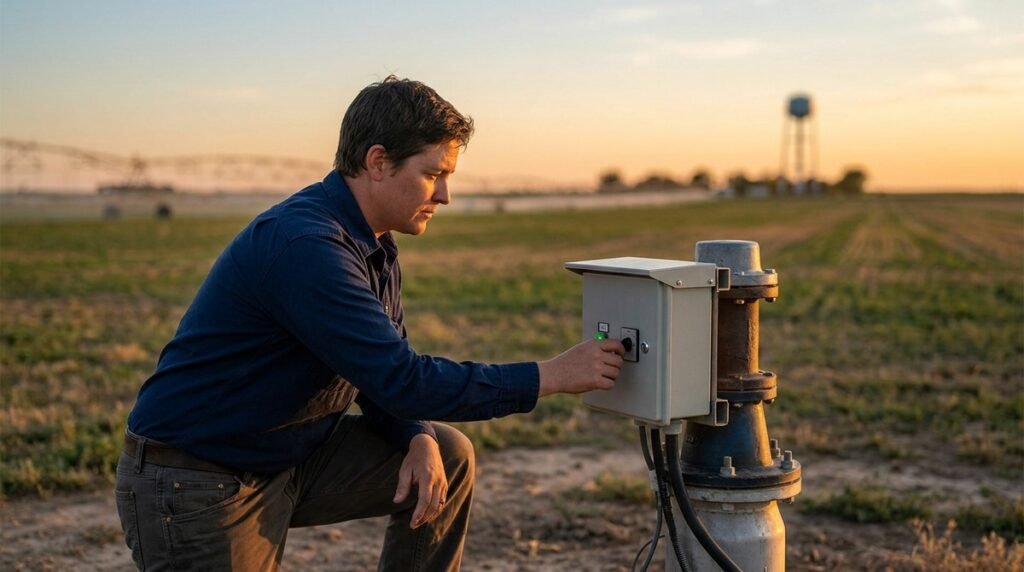
Labor is your highest operational cost. Wasted labor is a critical inefficiency. Remote monitoring systems change the equation entirely. You gain instant visibility into every well, tank, and pump in your network.
Targeted Dispatch: Technicians only roll out when a specific issue is detected.
Route Optimization: Maintenance schedules are based on actual equipment needs.
Fuel Savings: Fewer miles driven translates directly to lower operational costs.
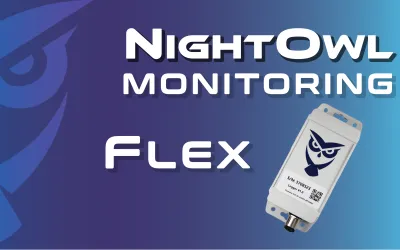
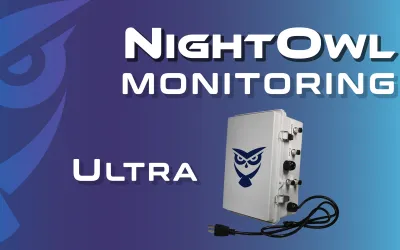
By deploying advanced sensor technology, you transform your workforce. They stop acting as data gatherers. They become targeted problem solvers. This shift maximizes the value of every labor hour spent in the field. For more insights on optimizing these processes, review our guide on Simplify Remote Well Monitoring A Closer Look At The Nightowl Ultra.
Preventing Surprise Failures
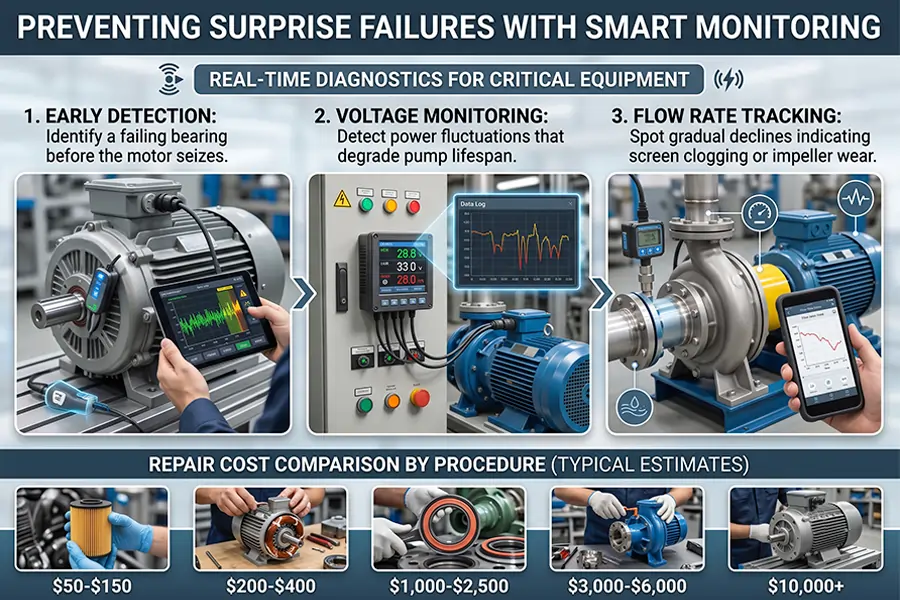
Equipment failure is expensive. Emergency repairs cost significantly more than planned maintenance. Rural water operators cannot afford surprise breakdowns. You need predictive capabilities.
Smart monitoring tracks critical performance metrics continuously. You monitor motor temperature, vibration, and power draw. Deviations from baseline performance trigger instant alerts. You catch minor anomalies before they escalate into major mechanical failures.
Early Detection: Identify a failing bearing before the motor seizes.
Voltage Monitoring: Detect power fluctuations that degrade pump lifespan.
Flow Rate Tracking: Spot gradual declines indicating screen clogging or impeller wear.
This proactive approach extends asset life. It prevents the sudden loss of water supply to your community. Learn how to identify these early warning metrics by reading about Signs Of Well Pump Failure And Catch Them Remotely.
Achieving More Uptime Per Dollar
Return on investment is the ultimate metric. Every dollar spent must yield measurable operational improvements. Remote control systems deliver this ROI through increased system uptime.
When a fault occurs, automated systems can take immediate protective action. A pump can be shut down automatically if water levels drop too low. This prevents catastrophic dry-running. You protect a multi-thousand-dollar asset with a simple automated rule.
Consistent uptime keeps ratepayers satisfied. It eliminates the chaotic scramble of emergency response. You manage your infrastructure with precision and confidence. To understand how to stop these emergencies before they start, explore No Water Emergency Call Prevention For Well Drillers.
Sustainable Aquifer Management
Rural water operators are stewards of a vital resource. Groundwater management requires accurate, continuous data. You must track static and pumping water levels over time.
The National Ground Water Association emphasizes the importance of data-driven groundwater management. Remote sensors provide the exact data required for sustainable extraction. You prevent over-pumping. You monitor aquifer recharge rates. You ensure the long-term viability of your water source.
Leak Detection: Identify hidden leaks by analyzing unexpected continuous flow.
Usage Patterns: Track peak demand to optimize pumping schedules.
Regulatory Compliance: Generate accurate reports for state and local authorities automatically.
Protecting the resource is just as critical as protecting the equipment. For comprehensive strategies on resource protection, review Aquifer Management Solutions For Sustainable Water Use.
Data-Driven Decision Making
Data is your most valuable operational asset. Rural water operators generate massive amounts of performance data daily. Without a centralized monitoring system, this data is lost. It evaporates into the ether. Smart systems capture, store, and analyze this information.
You transition from reactive management to strategic planning. Historical data reveals long-term trends in well performance. You can accurately forecast when a pump will require replacement. You budget for capital expenditures based on hard evidence, not guesswork. This level of precision is critical when managing tight municipal budgets.
Furthermore, data transparency builds trust with your community. When ratepayers question operational costs, you have the metrics to justify every decision. You demonstrate exactly how remote monitoring saves money and improves service reliability. You prove that their local dollars are being utilized with maximum efficiency.
State and federal regulations regarding water quality and extraction limits are becoming stricter. Manual reporting is prone to human error. It consumes valuable administrative time. Automated monitoring systems streamline this entire process. You generate compliance reports with a few clicks. You ensure absolute accuracy in your submissions. This protects your district from costly fines and regulatory scrutiny.
Modernizing Traditional Infrastructure
Many rural systems rely on aging infrastructure. Upgrading an entire network is financially impossible for most districts. Remote monitoring offers a cost-effective modernization strategy.
You do not need to replace every pump and motor. You overlay smart technology onto existing assets. This retrofit approach provides modern capabilities at a fraction of the cost of total system replacement. You gain real-time alerts, remote control, and historical data analysis.
This is how rural water operators compete in a modern landscape. You leverage data to maximize the lifespan and efficiency of the equipment you already own. You turn a legacy system into a smart network.
The Path Forward for Rural Districts
The funding reality is unlikely to change. Federal dollars will remain scarce. The responsibility remains local. Rural water operators must adapt to survive.
Embracing remote monitoring is the definitive step toward operational resilience. It is the proven method for doing more with less. You reduce waste. You prevent downtime. You protect your essential resources.
Precision data drives precise decisions. Stop guessing about your system status. Start managing your infrastructure with absolute certainty. Equip your team with the tools they need to succeed in a resource-constrained environment.
Take Control of Your Water System Today! Visit NightOwl Monitoring to discover how our advanced technology delivers the reliability and control your district demands.