 ChatGPT
 Perplexity
 Claude
 Gemini
 Grok
Grok
Real Data for Drought Decisions
Water infrastructure faces a fundamental shift in environmental conditions that directly impacts equipment reliability and aquifer stability. From 1980 to 2024, the United States sustained 403 weather and climate disasters with damages exceeding one billion dollars each, totaling over 2.9 trillion dollars (NOAA National Centers for Environmental Information).
For operators dependent on groundwater, this macro-level weather volatility translates directly into micro-level operational challenges, primarily fluctuating water levels, sudden sediment events, and severe pump stress. To navigate these extremes, continuous groundwater monitoring has become the essential operational layer. It allows operators, utility managers, and drillers to see hydraulic events as they unfold rather than diagnosing the aftermath of a catastrophic failure.
The Operational Toll of Severe Weather
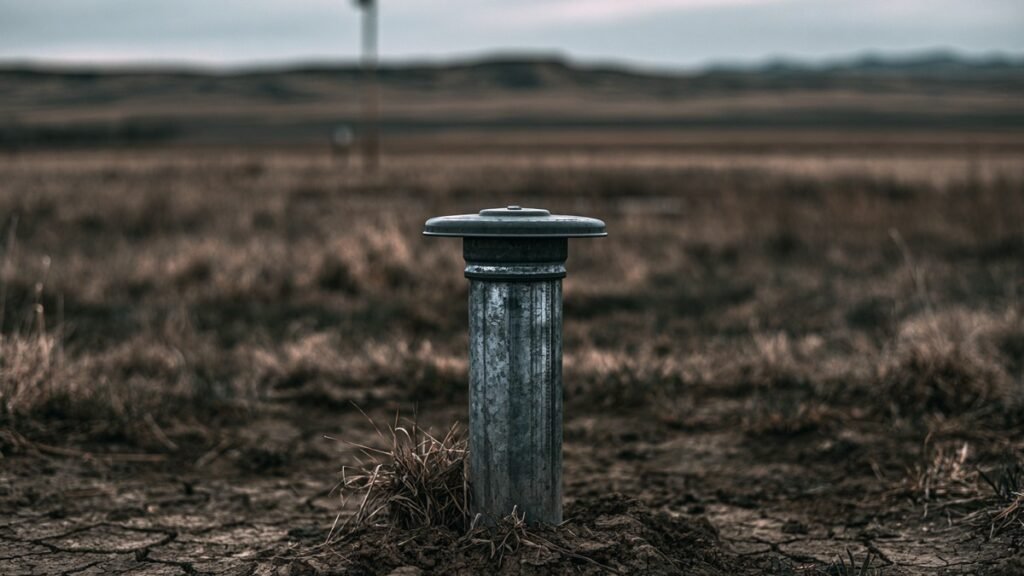
When drought frequency and intensity increase, static water levels drop. This structural shift forces submersible pumps to work harder to overcome increased total dynamic head. Simultaneously, severe precipitation events can cause rapid, localized recharge that mobilizes sediment, clogging intakes and accelerating mechanical wear on impellers and bearings. Relying on manual dip tape measurements or monthly site visits leaves utility managers blind to these rapid fluctuations. By the time an operator notices a pressure drop, the pump may have already experienced severe cavitation or dry-running conditions. To protect these critical assets, proactive management through telemetry is required. Implementing advanced well sensor technology replaces guesswork with verifiable data, ensuring that your equipment operates within safe parameters regardless of surface weather conditions.
Continuous Groundwater Monitoring as a Precise Decision Tool
Groundwater Conservation Districts, often referred to as GCDs, carry the heavy responsibility of determining regional drought stages and enforcing pumping limits. Historically, these decisions relied on generalized regional data or infrequent manual soundings. Today, continuous groundwater monitoring serves as a precise decision tool for both regulators and utility operators. By utilizing cellular connectivity and remote telemetry, districts can aggregate real-time drawdown metrics across multiple observation wells.
NightOwl systems deliver this data, allowing you to establish baseline metrics and recognize structural depletion early. For operators implementing aquifer management strategies, having access to a centralized telemetry dashboard supports compliance without over-restricting yield. Shared visibility prevents unnecessary pumping restrictions and protects the aquifer when stress levels are genuinely critical.
Hardware Integration for Proactive Management
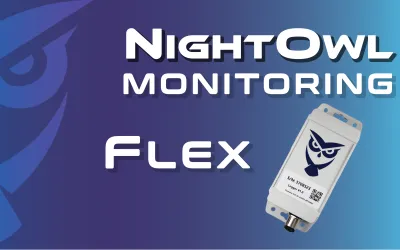
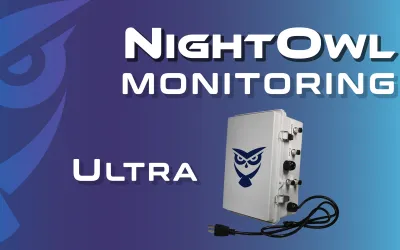
The value of any decision tool depends entirely on the reliability of the field hardware. Our approach integrates Modbus sensors directly into your existing infrastructure to track motor temperature, vibration, and amp draw alongside water levels. This integration provides a complete picture of well health at any given moment. If a static water level begins to crash due to neighboring agricultural demands, the system registers the change immediately. You can configure custom parameters so that if drawdown approaches the pump intake, the telemetry unit can send an immediate alert to your mobile device. Identifying these early signs of well pump failure remotely saves unnecessary site visits, eliminates costly downtime, and prevents expensive emergency pull jobs.
Securing Rural Infrastructure in Harsh Terrain
Rural infrastructure, particularly in regions like the Texas Hill Country, presents unique environmental challenges. Off-grid agricultural wells and remote municipal storage tanks require robust hardware that can survive severe temperature swings and unreliable cellular networks. We engineer our remote monitoring systems to buffer data during network outages and transmit critical alerts the moment connectivity is restored. Industry authorities, including the National Ground Water Association, consistently emphasize the importance of data-driven oversight to ensure long-term viability. By outfitting your remote locations with reliable hardware, you eliminate the operational blind spots that leave you vulnerable to sudden equipment loss.
What Proactive Alerts Are Worth
Moving from reactive maintenance to active monitoring changes what you can schedule. You can plan maintenance around the data instead of around a failure, avoid dry-run scenarios, and show a regional regulator exactly what your well did during a drought stage. Continuous groundwater monitoring is a field-ready layer that protects the equipment and the supply the communities and growers on your system depend on. To see how it fits your sites, visit NightOwl Monitoring.