 ChatGPT
 Perplexity
 Claude
 Gemini
 Grok
Grok
Small water systems serving fewer than 10,000 people face the same EPA PFAS drinking water regulations as major metropolitan utilities but with significantly fewer staff, budgets, and technical resources. The challenge many operators face today is straightforward: how can they meet these new compliance requirements without increasing headcount or overwhelming existing teams?
The good news is that modern monitoring technologies can handle much of the compliance workload through real-time monitoring, automated reporting, and cloud-based data management. This guide explains the current EPA PFAS requirements, the unique challenges facing small systems, and how technology can help bridge the compliance gap.
What the EPA PFAS Drinking Water Rule Requires Right Now
Understanding the EPA PFAS National Primary Drinking Water Regulation (NPDWR)
The EPA finalized the PFAS National Primary Drinking Water Regulation (NPDWR) in April 2024, establishing legally enforceable maximum contaminant levels (MCLs) for specific PFAS compounds in public drinking water systems throughout the United States.
PFOA and PFOS Standards Remain in Place
The two primary PFAS compounds of concern are:
- Perfluorooctanoic Acid (PFOA)
- Perfluorooctane Sulfonic Acid (PFOS)
The EPA has confirmed that both substances will continue to have maximum contaminant levels of 4.0 parts per trillion (ppt), making them among the most stringent drinking water standards ever established under the Safe Drinking Water Act.
In May 2026, the EPA proposed additional rulemakings that would:
- Rescind regulations for PFHxS, PFNA, HFPO-DA (GenX), and hazard index mixtures
- Allow public water systems to request compliance deadline extensions for PFOA and PFOS standards
Despite these proposals, systems detecting PFOA or PFOS must still monitor, report, and remediate contamination.
The Proposed 2031 Compliance Deadline Extension
Under the proposed extension framework, eligible water systems may request up to two additional years to achieve compliance, extending the deadline from 2029 to April 2031. Qualifying systems must demonstrate challenges such as:
- Limited financing options
- Treatment construction delays
- Pilot testing requirements
- Lack of alternative water sources
However, participating systems must:
- Maintain PFAS concentrations below 12 ppt
- Continue monitoring and reporting activities
- Implement interim control measures
The extension offers additional time but does not eliminate compliance obligations. Comprehensive documentation remains essential.
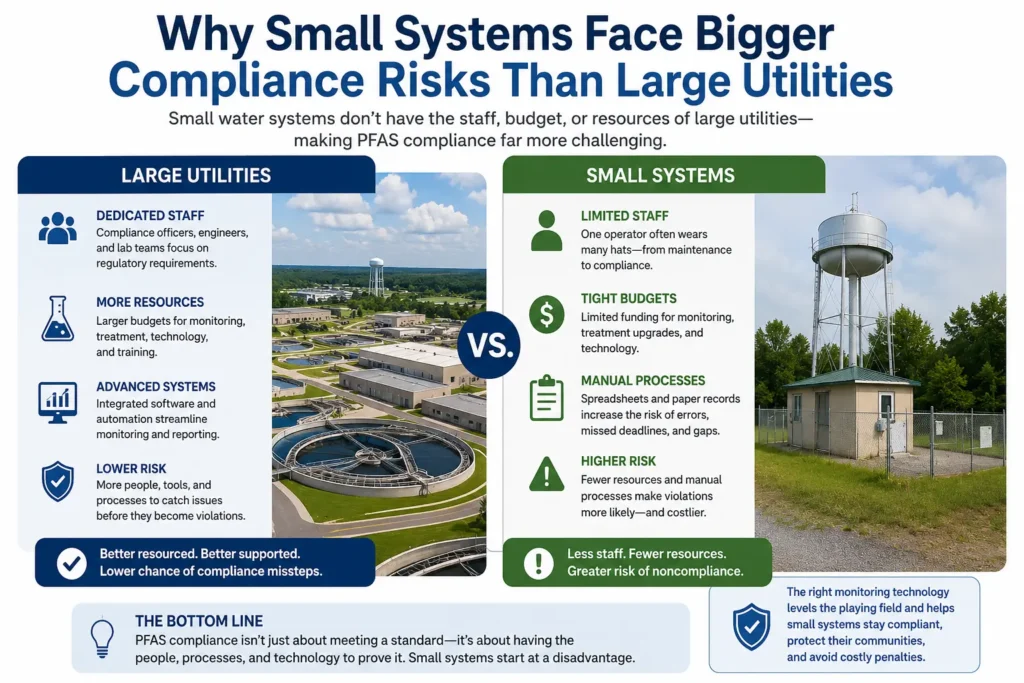
Why Small Systems Face Greater Compliance Risks Than Large Utilities
The Water Operator Shortage Creates Compliance Challenges
Large municipal utilities often employ dedicated compliance officers, environmental engineers, and laboratory personnel. Small community water systems, including rural towns, HOAs, mobile home parks, and remote service providers, rarely have these resources.
A nationwide shortage of licensed water operators has intensified the challenge. Many systems already operate with fewer certified staff than required, forcing operators to manage:
- Maintenance responsibilities
- Compliance reporting
- Multiple facility locations
As a result, PFAS monitoring tasks can become difficult to maintain consistently.
The EPA’s PFAS OUT initiative, launched in April 2026, acknowledges these implementation barriers and aims to provide support for affected communities.
Manual Monitoring Creates Significant Compliance Risks
The PFAS rule requires:
- Initial monitoring by 2027
- Ongoing compliance monitoring
- Scheduled reporting to state agencies
- Timely public notification of exceedances
- Audit-ready recordkeeping
Manual tracking methods often lead to:
- Missed sampling deadlines
- Data entry mistakes
- Incomplete audit trails
Any of these issues can escalate into formal compliance violations and potential enforcement actions.
What PFAS Compliance Requires on a Daily Basis
Initial Monitoring Deadlines
All public water systems regulated under the PFAS NPDWR must complete initial monitoring for PFOA and PFOS by 2027. Sampling must occur at each entry point to the distribution system, with results submitted to state primacy agencies.
Systems detecting concentrations above the MCL must immediately transition into compliance monitoring programs. Missing the monitoring deadline itself constitutes a Safe Drinking Water Act violation.
Public Notification Requirements
When contaminant levels exceed the MCL, water systems must:
- Notify customers within required timeframes
- Explain associated health risks
- Describe corrective actions being taken
- Maintain documentation proving notification occurred
Regulators require verifiable records of every step taken during the response process.
Audit-Ready Documentation and Timestamped Records
Regulatory agencies expect more than compliance claims—they require evidence.
Water systems must maintain:
- Timestamped sampling records
- Laboratory results
- Chain-of-custody documentation
- Notification records
- Corrective action logs
Systems relying heavily on manual processes often struggle to provide complete records during inspections.
How Remote Monitoring Technology Helps Close the Compliance Gap
Real-Time Water Quality Monitoring Without Additional Staff
Modern IoT-based monitoring systems continuously collect water quality data and transmit information to cloud-based dashboards accessible from virtually any connected device.
Key benefits include:
- Continuous monitoring
- Multi-site visibility
- Instant alerts
- Automated data logging
- Reduced travel requirements for operators
For PFAS compliance, these systems provide ongoing visibility into changing water quality conditions and can alert operators to potential concerns before routine manual inspections occur.
Automated Reporting and Recordkeeping
Automated monitoring platforms maintain continuous records of:
- Sensor readings
- System alerts
- Operator actions
- Compliance reports
Every action is timestamped automatically, creating a built-in audit trail without requiring manual data entry.
This significantly reduces the risk of documentation gaps during regulatory audits.
How NightOwl Monitoring Supports SDWA Compliance
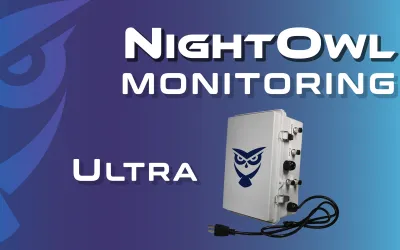
NightOwl Ultra System
The NightOwl Ultra is designed specifically for resource-constrained water systems. It monitors:
- Water quality parameters
- Flow rates
- Pressure levels
- Power conditions
- Equipment performance
This provides operators with a centralized view of system performance across critical infrastructure.
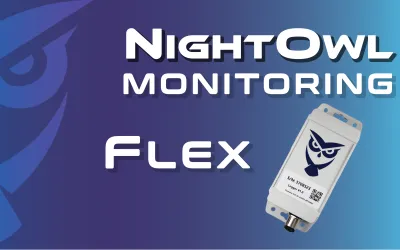
NightOwl Flex System
The NightOwl Flex platform supports monitoring across:
- Wells
- Storage tanks
- Power systems
- Distributed infrastructure assets
The system also enables remote pump and valve control, allowing operators to respond to events without physically traveling to each site.
For organizations already dealing with staffing shortages, these capabilities help keep compliance manageable without increasing labor requirements.
Can Funding Help Cover Compliance Monitoring Costs?
Federal and State Funding Opportunities
Many small water systems are concerned about the cost of compliance technologies. Fortunately, multiple federal and state programs have expanded funding opportunities specifically for monitoring and treatment improvements.
RealWaterTA and Infrastructure Funding Programs
Available funding sources include:
- Drinking Water State Revolving Fund (DWSRF)
- RealWaterTA Technical Assistance Program
- Infrastructure Investment and Jobs Act (IIJA) Allocations
These programs can help small and disadvantaged systems fund monitoring and treatment upgrades required under new PFAS regulations.
Additionally, the EPA’s PFAS OUT initiative provides technical assistance and guidance to help communities identify funding opportunities and compliance pathways.
Systems that proactively invest in compliance-enabling technologies often strengthen their eligibility for funding support and extension requests.
Frequently Asked Questions About EPA PFAS Compliance for Small Water Systems
What Is the EPA PFAS Drinking Water Rule?
The EPA PFAS National Primary Drinking Water Regulation, finalized in April 2024, establishes enforceable MCLs of 4.0 ppt for both PFOA and PFOS in public drinking water systems. All regulated systems must monitor, report, and remediate exceedances.
Does the 2031 Deadline Extension Apply to Everyone?
No. Systems must request the extension and demonstrate qualifying implementation challenges. They must also maintain PFAS concentrations below 12 ppt and continue all monitoring and reporting requirements.
What Happens If Monitoring Deadlines Are Missed?
Missing required monitoring deadlines constitutes a Safe Drinking Water Act violation independent of any PFAS exceedance and may trigger enforcement actions.
Can Remote Monitoring Replace Laboratory Testing?
No. Laboratory testing remains the official compliance method for measuring PFOA and PFOS concentrations. Remote monitoring serves as a complementary tool that enhances operational oversight and documentation.
What Is the PFAS OUT Initiative?
PFAS OUT (PFAS OUTreach) is an EPA program launched in April 2026 to assist communities facing significant barriers to PFAS compliance by providing technical support and funding guidance.
How Does NightOwl Monitoring Improve Recordkeeping?
NightOwl Monitoring automatically timestamps sensor readings, alerts, and operator actions while maintaining cloud-based audit trails and generating automated reports suitable for regulatory review.
What Funding Options Are Available?
Funding opportunities include:
- DWSRF programs
- IIJA infrastructure funding
- RealWaterTA assistance programs
- State-specific drinking water initiatives
Water systems should consult their state drinking water primacy agency for program details.
The Bottom Line on PFAS Compliance for Small Water Systems
The EPA PFAS drinking water rule remains in force, with the 4.0 ppt standard for PFOA and PFOS continuing to serve as the regulatory benchmark. Monitoring, reporting, and documentation requirements are active today, and delaying preparation only increases future compliance challenges.
For small water systems, PFAS compliance is ultimately less about chemistry and more about maintaining consistent documentation, reporting processes, and operational visibility. Monitoring technology directly addresses these challenges by automating many of the tasks that traditionally require substantial staff resources.
NightOwl Monitoring’s real-time sensors, automated reporting, and cloud-based audit trails provide small systems with the operational visibility needed to maintain compliance without expanding staff. For organizations facing budget constraints, operator shortages, or geographically dispersed infrastructure, these capabilities can make the difference between successful compliance management and ongoing regulatory risk.
The proposed 2031 extension may provide additional time, but effective monitoring technology helps ensure that time is used productively and strategically.
Next Steps
Interested in learning how NightOwl Monitoring can support your compliance strategy?
- Request a demo
- Explore the NightOwl Ultra platform