 ChatGPT
 Perplexity
 Claude
 Gemini
 Grok
Grok
More funding for wells and water systems creates a stronger case for real-time monitoring.
For more on NGWA’s position on the Infrastructure Investment and Jobs Act and its provisions for groundwater professionals, visit: https://www.ngwa.org/get-involved/advocacy/groundwater-and-the-infrastructure-investment-and-jobs-act
The Bipartisan Infrastructure Investment and Jobs Act, signed into law in 2021, directed significant federal resources toward groundwater storage, aquifer recharge, and drinking water quality for rural and underserved communities. For well drillers and pump professionals, that means more projects, more systems in the ground, and more water infrastructure that someone has to manage responsibly over the long term.
That last part is where the conversation often stops short.
Infrastructure funding builds systems. It doesn’t automatically address what happens after the ribbon is cut. Wells get drilled, tanks get installed, and systems go live. But without continuous visibility into how those systems are performing, operators are back to reactive management within months.
This is the gap remote monitoring closes.
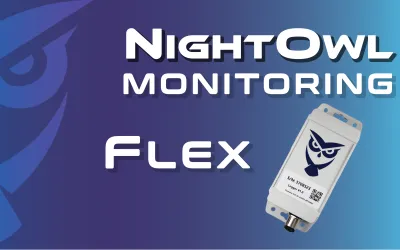
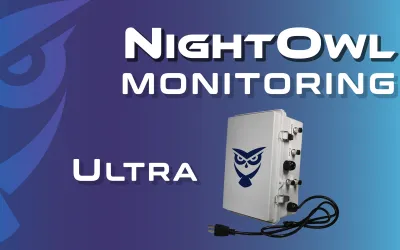
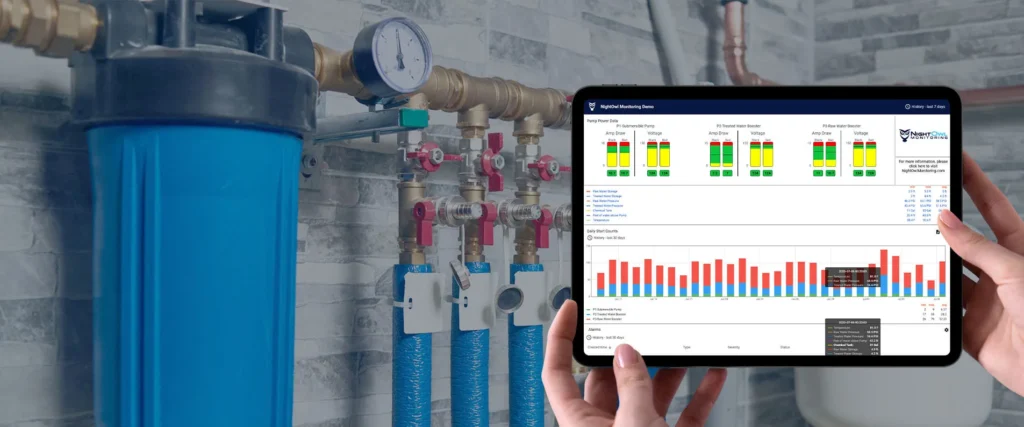
Cellular telemetry systems like those offered by NightOwl Monitoring give operators real-time data on water levels, pump cycles, pressure, and flow without requiring a truck roll to get it. For rural water systems and disadvantaged communities, where staffing is lean and service calls are expensive, that kind of visibility isn’t a nice-to-have. It’s what makes responsible stewardship of new infrastructure actually achievable.
Federal investment in groundwater is a signal that water systems are being taken seriously as critical infrastructure. Pairing that investment with the monitoring tools to protect and maintain it is the logical next step.