 ChatGPT
 Perplexity
 Claude
 Gemini
 Grok
Grok
Drought Stages and Groundwater District Monitoring
From shifting weather patterns to prolonged dry spells, the stresses placed on rural water infrastructure demand a proactive engineering approach. Operators managing these resources need reliable groundwater district monitoring to navigate fluctuating water levels and seasonal pump stress. When weather volatility drives sudden changes in sediment levels and aquifer drawdown, relying on manual site visits leaves your infrastructure vulnerable to unexpected failures. Continuous telemetry provides the operational layer required to observe these events as they unfold rather than dealing with the aftermath of a burnt motor. Tracking these variables gives utility managers the practical tools needed to maintain uninterrupted service during difficult environmental cycles.
The Impact of Climate Volatility on Aquifers
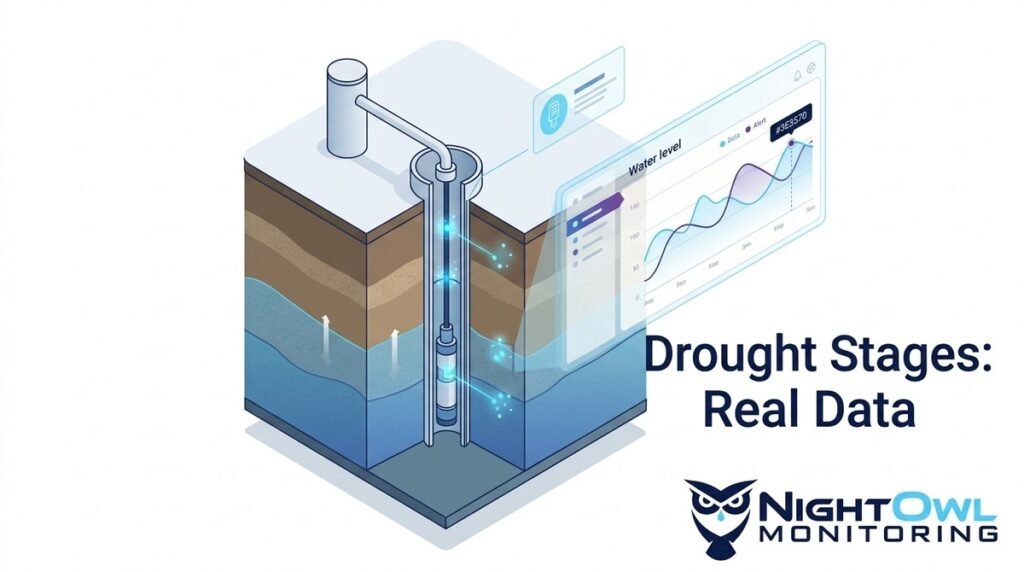
Between 1980 and 2024, the nation experienced hundreds of weather and climate events causing immense financial damages and straining natural resources. For the operators and drillers dependent on stable groundwater, this weather volatility translates directly into erratic water levels and severe mechanical stress on well pumps. As dry periods intensify and occasional severe precipitation events alter surface recharge, the traditional methods of managing water systems fall short of meeting modern demands. Implementing a robust telemetry system allows you to track these physical changes in real-time, giving you the data required to protect your well hardware from dry-running or excessive cycling. You can view clear metrics regarding exactly how your pumps respond to dropping water tables, ensuring you never have to guess about site conditions.
Transitioning from Reactive Alarms to Live Data
In our three decades of experience in the water pump industry, we have seen operators struggle with fragmented systems that only provide delayed alerts. Jim Blair notes that effective infrastructure management requires continuous access to live operational metrics rather than relying solely on sudden alarm triggers. A comprehensive dashboard provides immediate visibility into critical parameters such as pump power, water pressure, and chemical tank statuses. By tracking voltage, amp draw, and Modbus sensors continuously, managers can identify signs of mechanical fatigue early and prevent costly emergency callouts. For a deeper understanding of equipment health, reviewing pump efficiency tracking provides actionable insights into motor longevity and proactively saves hours spent driving to remote locations.
Solving the Unmonitored Well Deficit
Industry estimates suggest there are hundreds of thousands of unmonitored private and municipal water wells across the country leaving critical infrastructure entirely blind. Historically, advanced telemetry was considered too expensive or overly complex for standard rural operations, forcing managers to operate without adequate visibility. We designed our hardware to bridge this gap, delivering an affordable monitoring platform built specifically for the realities of the groundwater sector. Upgrading traditional systems with reliable cellular connectivity ensures that you can check the actual data at any time from your smartphone or desktop computer. Evaluating modern well sensor technology is the first step in turning unpredictable well behavior into a manageable set of data points.
Empowering Local Managers During Droughts
Groundwater districts have historically demonstrated great success when they mandate or adopt comprehensive water level tracking across their jurisdictions. By utilizing accurate data dashboards, utility managers can make fast, effective decisions regarding drought stage declarations and pumping restrictions. Sharing this real-time visibility with local stakeholders builds trust and ensures that everyone understands the current state of the local aquifer. Organizations like the National Ground Water Association advocate for strict resource management to maintain supply stability during extended droughts. When you integrate our hardware, you gain the precise telemetry needed to support these broad environmental sustainability efforts and prepare for future supply challenges before they become critical shortages.
Taking Control of Your Infrastructure
The technological drivers in the groundwater industry all point toward better data integration and remote accessibility as the foundation for modern utility management. Equipping your sites with precise Modbus sensors and constant cellular telemetry translates advanced IoT capabilities into practical, field-ready solutions. This proactive management approach reduces waste, prevents mechanical failures, and ultimately gives you complete peace of mind regarding your water supply. You can further explore comprehensive aquifer management systems to secure your long-term operational success or visit NightOwl Monitoring to review our data sheets. Accessing real-time telemetry ensures that weather volatility never catches your operations off guard, allowing you to confidently manage your resources through every stage of a drought.