 ChatGPT
 Perplexity
 Claude
 Gemini
 Grok
Grok
Groundwater Drought Management With Real Data
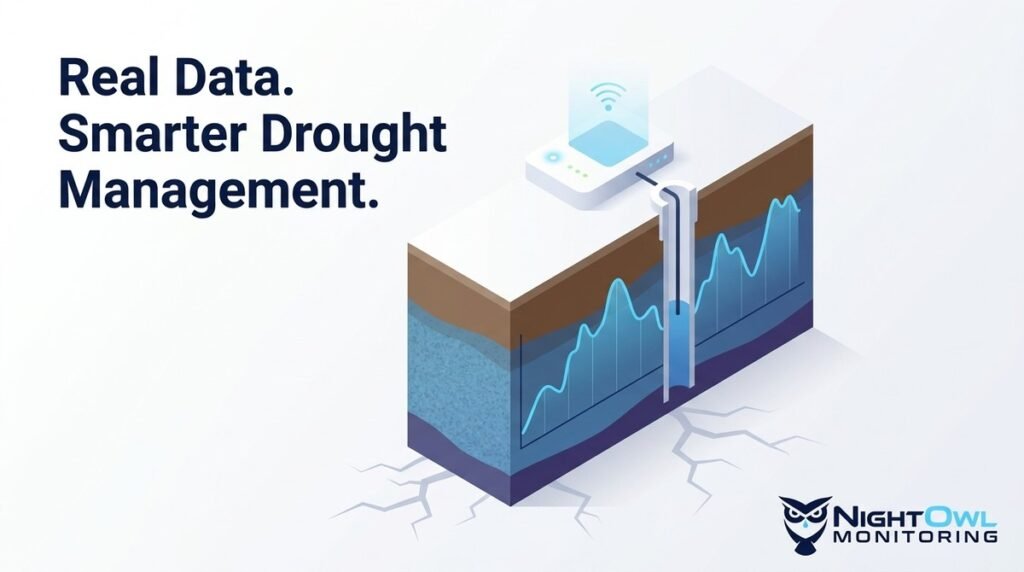
Between unpredictable rainfall and intense dry spells, groundwater drought management has become a critical operational requirement for utilities and well drillers. Weather volatility translates directly to fluctuating water levels, sediment intrusion, and acute pump stress across rural and municipal systems. You need continuous telemetry to observe these shifts as they unfold rather than dealing with the aftermath of a catastrophic failure.
The Reality of Groundwater Drought Management
Historical weather data from 1980 to 2024 reveals a sustained pattern of severe climate events that directly impact subterranean water supplies. When extreme precipitation events follow severe dry periods, the rapid changes in drawdown and recharge rates can severely stress well infrastructure. We see this daily in regions like the Texas Hill Country, where changing aquifer conditions force pumps to work harder and cycle more frequently. Understanding these dynamics is a core focus for the National Ground Water Association, which emphasizes proactive infrastructure management for all well operators.
Relying on intermittent manual checks leaves your system vulnerable to these sudden shifts. Operators need real-time data to verify operational health, track usage patterns, and spot potential service interruptions before they escalate into costly emergency calls. Implementing continuous telemetry provides the baseline data necessary to make informed operational decisions rather than guessing at the current state of your water supply. Access to historical trends allows you to anticipate when a well might run dry or when a pump is beginning to show signs of mechanical fatigue.
Transitioning from Reactive Alarms to Proactive Telemetry
Many traditional systems rely strictly on basic alarm triggers that only notify you when a failure has already occurred. True system visibility means you have 24/7 access to monitor tank levels across all your sites at any moment, even without an active alarm condition. Instead of waiting for a high-level or low-level alert to initiate an emergency response, you can securely log in and review the actual operating data. This proactive approach ensures you are never caught off guard by a sudden drop in pressure or an unexpected power fault.
Monitoring critical components like water pressures, chemical feed tanks, and system temperatures provides a comprehensive view of your infrastructure. Whether you are verifying the voltage and amp draw of a specific pump or checking the drawdown rate during a heavy cycle, having live metrics on your smartphone empowers you to act decisively. Utilizing precise well sensor telemetry guarantees that your data is both accurate and actionable in the field. Every data point helps you build a clearer picture of how weather patterns are actively affecting your groundwater reserves.
Building Comprehensive System Visibility
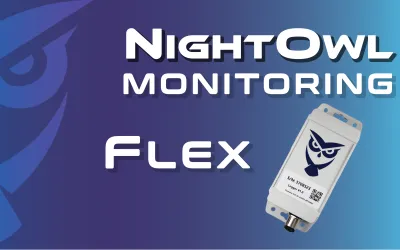
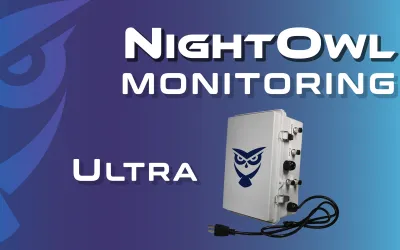
For decades, the groundwater industry relied on fragmented hardware solutions that failed to deliver a complete picture of well health. A veteran pump installer with three decades of experience recently noted that piecing together different telemetry components rarely yields reliable results. We developed our platform precisely to bridge this gap, offering a unified dashboard that captures everything from motor temperature to vibration without requiring complex software integration. This cohesive engineering approach saves valuable time and drastically reduces the need for routine site visits.
Across the United States, there are an estimated one hundred thousand to two hundred and fifty thousand unmonitored water wells supporting critical infrastructure and agriculture. Historically, remote monitoring technology was simply not affordable or properly designed for these rugged, off-grid applications. Today, operators managing expansive properties can deploy reliable hardware to track the health of their wells directly from their mobile devices. This level of agricultural irrigation monitoring is absolutely essential for protecting crops and maintaining operational continuity during extended dry periods.
Protecting Agricultural and Rural Infrastructure
Managing water resources in rural environments presents unique challenges that require hardened, field-ready solutions. Agricultural operators must balance the immediate need for crop hydration against the long-term sustainability of their local aquifers. By tracking specific pump cycles and continuous drawdown metrics, managers can adjust their watering schedules to prevent over-extraction and mechanical burnout. The ability to monitor these parameters remotely translates to significant labor savings and a much lower risk of catastrophic equipment failure.
Beyond agriculture, municipal operators benefit from the exact same robust telemetry to protect their community resources. Tracking live pump power, voltage, and amp draw prevents premature equipment failure and significantly reduces wasted energy. By transitioning to a proactive management model, you secure long-term reliability and build resilient water systems that withstand severe environmental stress. Incorporating sustainable aquifer management strategies is the most effective way to ensure your operations remain viable through unpredictable weather cycles.