 ChatGPT
 Perplexity
 Claude
 Gemini
 Grok
Grok
From 1980 to 2024, the United States sustained hundreds of weather and climate disasters with significant financial and infrastructural impacts. Drought frequency, combined with severe precipitation events, directly threatens water supplies nationwide and complicates aquifer management. When managing these resources, relying on infrequent manual measurements leaves utility managers and well operators vulnerable to sudden changes in aquifer conditions. Integrating continuous groundwater telemetry data provides the operational layer necessary to see volatile events unfold in real time. We designed our hardware to replace assumptions with concrete metrics, enabling proactive decision-making rather than reactive damage control.
The Reality of Weather Volatility on Well Infrastructure
For operators dependent on groundwater, weather volatility manifests as fluctuating static water levels, sudden sediment events, and increased pump stress. During extended dry periods, static levels drop, which forces submersible pumps to work harder and increases the risk of cavitation. Conversely, severe precipitation events can lead to rapid recharge that disturbs sediment, potentially clogging filtration systems and damaging impellers. Capturing accurate drawdown metrics during these shifts is essential for maintaining equipment longevity and avoiding unexpected failures.
We see these harsh conditions frequently in rural environments like the Texas Hill Country, where off-grid agricultural operations rely heavily on consistent well performance. In these challenging terrains, a sudden drop in the water table can turn a routine pumping cycle into an equipment hazard. By monitoring these environmental shifts, you can adjust pumping schedules to match the current capacity of the well. Identifying these issues early is a core part of identifying signs of well pump failure before they escalate into complete system breakdowns.
Using Groundwater Telemetry Data for Accurate Drought Staging
Groundwater Conservation Districts face the complex task of establishing drought stages that protect shared aquifers without unnecessarily hindering local agriculture and municipal supply. Relying on outdated or infrequent manual tape measurements often results in delayed responses to rapidly declining water tables. By implementing systems that provide continuous groundwater telemetry data, regulators and utility managers gain immediate access to accurate aquifer behavior. This real-time visibility allows for the precise application of drought restrictions based on actual well drawdown and recharge rates.
When stakeholders have access to verifiable metrics, they can collaborate more effectively to ensure sustainable water use across the district. Clear information removes the guesswork from regulatory compliance and helps build trust between water managers and private well owners. The National Ground Water Association supports the adoption of advanced monitoring techniques to safeguard resource availability nationwide. We believe that equipping districts with reliable technology is the most practical way to protect community water resources over the long term.
Translating Modbus Sensor Metrics into Practical Action
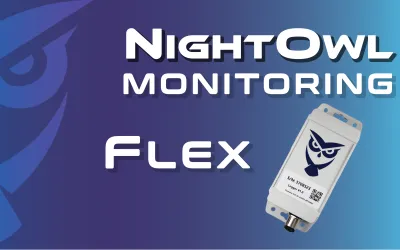
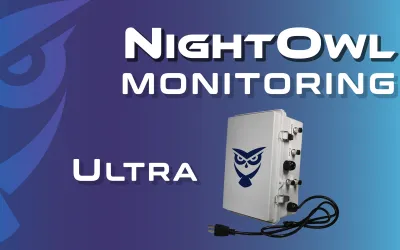
Advanced monitoring relies on robust hardware that can withstand harsh field conditions while delivering precise information. Utilizing Modbus sensors within a connected telemetry framework allows us to capture detailed parameters like motor temperature, vibration, and precise pressure readings. Instead of abstract software alerts, these metrics translate directly into operational readiness for the driller and the utility manager. If a pump begins to cycle excessively due to a drop in the static water level, the system notifies you before the equipment burns out.
This proactive approach saves unnecessary site visits and ensures that your maintenance teams are deployed only when concrete data dictates a need. Tracking these specific hardware variables is crucial for limiting downtime through temperature and vibration monitoring. You eliminate the cost and danger of sending technicians to remote sites just to check a gauge or reset a breaker. Your team can manage operations remotely, ensuring safety and efficiency in every maintenance decision.
Understanding Pump Efficiency During Drought Conditions
As drought stages escalate, the distance water must be lifted from the aquifer to the surface generally increases. This increased lift requires more energy, which reduces the overall efficiency of your pumping equipment and increases operational costs. Continuous observation allows you to map these efficiency curves and determine exactly when a pump is operating outside of its optimal range. By studying these trends, you can make informed decisions about whether to lower a pump, throttle production, or upgrade your equipment.
Maintaining high efficiency is not just about saving electricity; it is about extending the lifespan of critical infrastructure. When you add continuous monitoring, you can proactively adapt to changing environmental conditions without suffering sudden drops in yield. Learning how to properly evaluate these metrics is essential for well management and pump efficiency tracking. We focus on delivering the precise telemetry required to keep your systems running smoothly despite severe weather volatility.
Aligning Technology with Aquifer Management Solutions
Effective groundwater management requires technology that integrates with traditional water well systems while modernizing their oversight. Our focus remains on delivering reliable cellular connectivity and remote monitoring capabilities that keep you connected to remote well sites. Through continuous observation of pump efficiency and water levels, operators can adjust their usage patterns to align with current drought stages and aquifer health. When you have a clear picture of your system performance, you can protect both your mechanical assets and the natural resource they rely upon.
Implementing these connected solutions turns static infrastructure into a responsive one. You gain the ability to enforce conservation measures accurately and verify the effectiveness of your aquifer protection strategies. This methodology is central to deploying successful aquifer management solutions for sustainable operations. We provide the tools necessary to bridge the gap between regulatory requirements and practical field operations.
The Financial Benefit of Proactive Monitoring
The ultimate value of continuous monitoring lies in the financial and practical benefits it delivers to the operator. Preventing a single catastrophic pump failure or avoiding a critical loss of water supply often covers the cost of the telemetry hardware itself. By reducing operational inefficiencies and minimizing emergency callouts, drilling partners can offer a higher level of service to their clients. This enhanced service model is an excellent way to secure recurring revenue and business differentiation for your company.
You gain the peace of mind that comes from knowing your infrastructure is secure, monitored, and operating within safe parameters. We are committed to building tools your operations rely on, ensuring you are always equipped with the data necessary to make fast and effective decisions. Replacing emergency reactions with planned maintenance fundamentally changes the economics of water well management. Your investment in telemetry translates directly into reliable water delivery and a stronger bottom line.
Frequently Asked Questions (FAQ)
As utility managers and drillers look to modernize their operations, many common questions arise regarding the implementation of new technology. We have compiled these frequently asked questions to help you better understand the practical applications of continuous monitoring. Reviewing these points will clarify how our hardware integrates with your existing infrastructure to provide immediate benefits.
How does groundwater telemetry data improve drought management?
It provides continuous, real-time measurements of static and pumping water levels across an entire monitored region. This allows Groundwater Conservation Districts to base drought stages on current aquifer conditions rather than historical estimates or infrequent manual readings. Consequently, regulations can be applied precisely when needed and lifted as soon as recharge is verified.
What hardware is required to monitor well drawdown remotely?
Accurate remote monitoring requires durable level transducers, advanced Modbus sensors, and a reliable cellular or satellite unit to transmit the information. The sensors must be capable of withstanding submersion and fluctuating pressures while delivering consistent electrical signals. NightOwl builds its systems to integrate these components, sending verified metrics directly to your management dashboard. Simplifying remote well oversight requires robust hardware built specifically for the demanding water industry.
Can remote monitoring systems prevent well pump failures?
Yes, by tracking pump cycles, motor temperature, and precise drawdown levels, these systems alert operators to mechanical stress before it causes damage. If a well begins to run dry, the telemetry unit can trigger a shutdown command to prevent the motor from burning out. This proactive intervention saves thousands of dollars in replacement costs and prevents extended periods of system downtime.
Is continuous monitoring suitable for off-grid agricultural wells?
Many modern telemetry systems are designed to operate efficiently on solar power combined with cellular connectivity. This makes them highly reliable for remote agricultural installations where traditional grid power is unavailable or unreliable. By bringing connectivity to the most isolated pumps, farmers and utility managers can maintain total visibility over their critical water assets.