 ChatGPT
 Perplexity
 Claude
 Gemini
 Grok
Grok
Meeting NGWA Transparency Standards for Industrial Sites
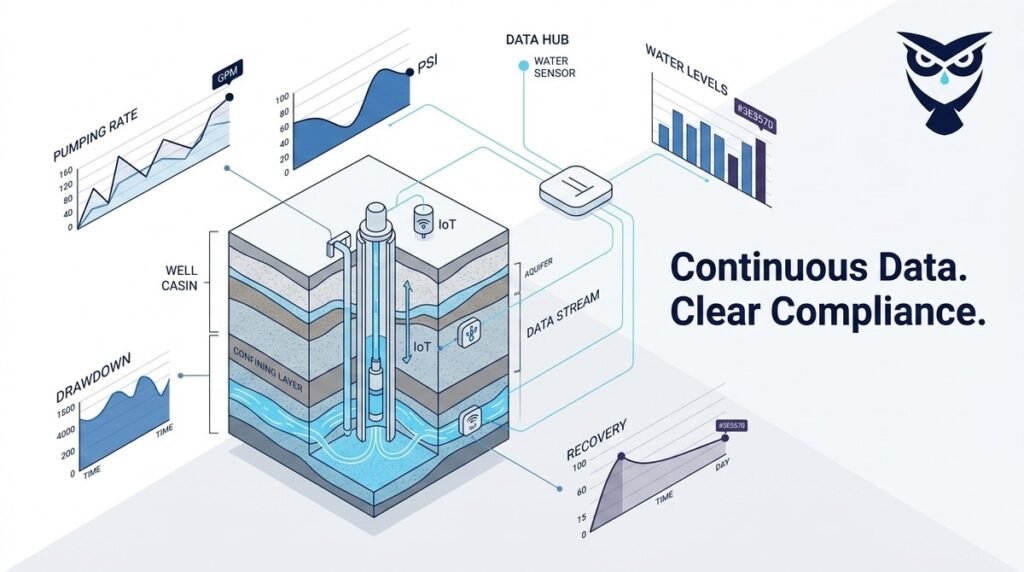
Industrial facilities and massive server farms rely heavily on consistent groundwater access to maintain uninterrupted operations around the clock. As these sites expand their physical footprints, operators face increasing pressure to verify their aquifer impact and strictly adhere to local and national guidelines. Meeting NGWA transparency standards requires far more than manual dip tape measurements; it demands continuous, precise data regarding pumping rates, total flow volumes, and aquifer recovery timelines. We provide the remote monitoring architecture necessary to satisfy these complex requirements without adding significant manual labor hours to your utility management team.
The True Cost of Inefficient Monitoring
Traditional methods for tracking water levels often involve dispatching technicians to remote wellheads on a weekly or monthly basis. This manual approach leaves industrial operators vulnerable to sudden equipment failures and creates massive gaps in the environmental data required for regulatory reporting. Without continuous visibility into drawdown metrics and pump performance, facility managers risk accidentally over-pumping their wells during periods of high industrial demand. By replacing outdated practices with modern telemetry, you eliminate the guesswork and ensure that your infrastructure operates within safe, sustainable parameters at all times.
Navigating NGWA Transparency Standards at High-Demand Sites
The National Ground Water Association provides rigorous frameworks designed to ensure that heavy groundwater extraction remains sustainable for the surrounding community. Utility managers overseeing immense cooling towers or intensive manufacturing processes must routinely prove that their specific extraction rates do not cause localized aquifer depletion. This specific operational challenge requires abandoning analog logbooks and fully embracing automated telemetry that captures every crucial variable in real time. When you integrate cellular-based monitoring systems into your well infrastructure, you transform raw environmental data into verifiable, actionable proof of continuous compliance.
Addressing the Unique Needs of Data Centers
Facilities like large-scale server farms consume vast amounts of water for essential heat dissipation, making them prime candidates for strict regulatory oversight and public scrutiny. Operators working in regions with complex geology, such as the rocky Texas Hill Country, simply cannot afford surprises regarding their static water levels or overall pump efficiency. By proactively managing data center water usage with advanced sensor networks, engineers can identify drawdown anomalies long before they threaten critical site operations. This systematic approach replaces reactive emergency responses with scheduled, data-driven maintenance that keeps sensitive cooling systems running smoothly without exhausting local resources.
Leveraging Telemetry for Proactive Aquifer Management
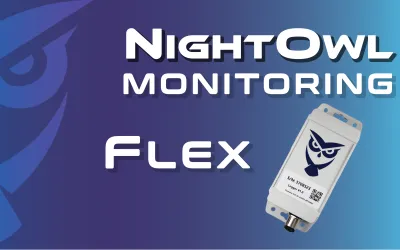
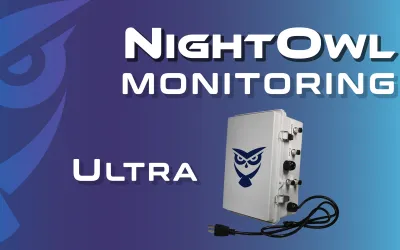
Achieving your compliance targets is ultimately about having the absolute right hardware installed securely at the wellhead and connected to a reliable communication network. We equip operators with specialized Modbus sensors that continuously log critical performance metrics, including daily pump cycles, motor temperatures, and exact flow volumes. These rugged components transmit field data directly to a centralized digital dashboard, completely eliminating the need for routine site visits just to record standard measurements. Implementing these aquifer management solutions ensures that your engineering team always has the necessary historical records prepared for any rigorous compliance audit.
Precision Measurement and Hardware Reliability
Reliable data collection always begins with robust hardware designed specifically for the harsh, off-grid environments where industrial wells are typically located. Using precise well sensor technology for measuring static water levels guarantees that the data you eventually submit to regulatory bodies is entirely accurate and reliable. If a specific pump begins to cycle too frequently or water levels drop unexpectedly, the monitoring system triggers an immediate alert directly to your utility management team. Catching these mechanical inefficiencies early reduces overall site downtime, protects expensive pumping equipment from burning out, and ensures uninterrupted industrial functionality.
Financial and Operational Advantages of Compliance
Achieving compliance should never be viewed merely as a bureaucratic regulatory burden, but rather as a strategic opportunity to optimize your entire water infrastructure. When utility operators have a clear, uninterrupted picture of their groundwater assets, they can make highly informed decisions regarding pump scheduling and necessary system upgrades. Our engineered telemetry solutions provide the operational readiness required to prevent catastrophic pump failures while significantly reducing the recurring labor costs associated with manual monitoring routes. Ultimately, investing in proactive management technology delivers substantial long-term financial savings and total operational peace of mind for both drillers and facility managers.
Scaling Systems Across Multiple Industrial Sites
Large manufacturing operations frequently draw from multiple well sites spread across extensive geographical areas, compounding the difficulty of accurate data aggregation. We design our monitoring platforms to scale seamlessly, allowing utility managers to view the performance metrics of dozens of independent wells on a single, unified interface. This consolidated view helps operators identify broader trends in aquifer behavior and adjust their pumping strategies to align with seasonal recharge rates. By maintaining this level of granular control, industrial facilities can maintain high production outputs while demonstrably protecting the underground water reserves they rely on.
Building a Resilient Water Infrastructure Future
We proudly partner with dedicated drilling professionals and industrial site operators to build resilient monitoring networks that make regulatory reporting practically effortless. By standardizing your data collection methods across every active well, you quickly create a transparent, easily auditable trail of responsible resource management. Your facility can confidently meet every regulatory standard while simultaneously maximizing the useful lifespan of your critical pumping hardware and piping systems. To explore exactly how our advanced IoT solutions can upgrade your current infrastructure, visit NightOwl Monitoring and review our comprehensive technical specifications.