 ChatGPT
 Perplexity
 Claude
 Gemini
 Grok
Grok
Preventing Catastrophic Well Pump Failures With IoT Data
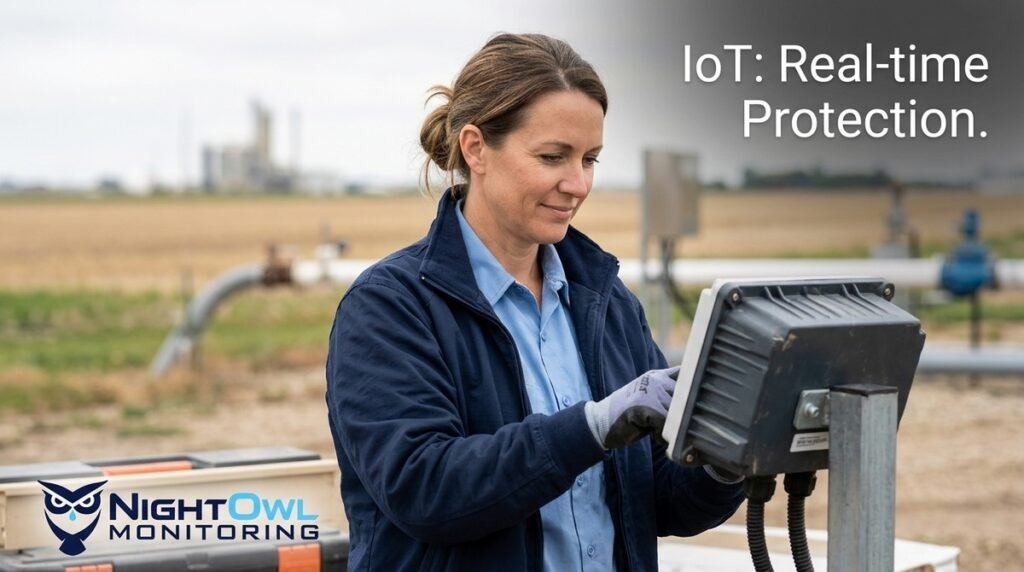
Operating blind in water well management guarantees catastrophic well pump failures and massive financial liabilities. Traditional management relies on outdated, fragmented components that leave operators guessing about system health until a total breakdown occurs. By integrating advanced Internet of Things (IoT) sensors, decision-makers secure real-time visibility into their critical water infrastructure. This strategic shift transforms reactive maintenance into proactive asset protection, ensuring consistent water supply and safeguarding bottom-line profitability.
The Financial Liability of Unmonitored Infrastructure
Across America, an estimated 100,000 to 250,000 water wells operate without any form of remote monitoring. This massive blind spot exists because legacy technology was neither affordable nor designed specifically for comprehensive well management. When municipalities and industrial operators rely on piecemeal parts instead of a unified system, they invite unexpected downtime and severely inflate operational costs. Implementing revolutionizing water well asset management protocols is the only way to mitigate these financial risks.
Mitigating the Risks of Unmonitored Infrastructure
The financial liability of operating without real-time data extends far beyond the immediate costs of equipment replacement. When a well pump fails unexpectedly, the resulting service interruption damages municipal reputations and halts critical industrial processes. Facilities face exorbitant emergency repair fees and rushed equipment procurement premiums that destroy quarterly budgets. Proactive decision-makers utilize continuous IoT monitoring to eliminate these hidden costs, securing total peace of mind regarding their water supply and mechanical infrastructure.
Real-World Application for Municipal Operations
A close examination of operations managed by entities like the City of San Marcos and experienced contractors at Bee Cave Drilling reveals the profound impact of comprehensive IoT integration. These industry veterans recognized that relying on basic alarms is insufficient for protecting high-value equipment. Instead, they transitioned to a unified live dashboard capable of tracking amp draw, voltage, pump runtimes, motor temperature, and vibration levels. By monitoring these exact metrics continuously, operators can catch signs of well pump failure remotely before minor anomalies escalate into catastrophic events.
Eliminating Unnecessary Truck Rolls
Manual on-site diagnostics represent a significant drain on labor and capital resources. Remote monitoring provides comprehensive historical logs and real-time operational data, rendering traditional manual inspections completely obsolete. Access to detailed history regarding voltage and amperage data empowers operators to identify pump issues instantly and improve daily workflows. Eradicating blind service technician dispatches directly reduces labor costs while drastically improving response times to legitimate infrastructure threats.
Holding Suppliers Accountable to Prevent Well Pump Failures
One of the most immediate financial benefits of IoT integration is the ability to track power fluctuations that degrade equipment over time. Detailed logging of peak voltages for every minute of the day gives operators irrefutable data regarding electrical consistency. When a voltage spike damages a motor, operators no longer have to absorb the replacement costs blindly. They can use this granular data to hold power companies or pump suppliers accountable for the resulting damage. Establishing this level of accountability requires robust monitoring of pump efficiency for smart well management, ensuring every variable is tracked and recorded.
A Comprehensive Approach to Asset Protection
True infrastructure protection demands more than fragmented solutions and basic alert systems. Industry professionals with decades of experience understand that a complete monitoring product must track all critical variables simultaneously. Tracking water pressure, temperature, and chemical feed tank levels within a single interface ensures that no operational anomaly goes unnoticed. For those looking to implement these robust standards, authoritative resources from organizations like the NGWA offer extensive guidance on sustainable groundwater management.
The Shift from Reactive Alarms to Proactive Data
Waiting for a system alarm means the failure cascade has already begun, placing critical municipal and industrial operations at severe risk. Operators must demand 24/7 access to monitor levels across all their sites, relying on actual performance data rather than waiting for red-line alerts. Continuous tracking of water levels and pump runtime guarantees that mechanical strain is identified weeks or months in advance. To further understand the mechanical specifics, operators can study monitoring motor temperature and vibration to successfully limit operational downtime.
Leveraging IoT for Sustainable Groundwater Management
The integration of advanced sensor technology does more than just protect mechanical assets; it fundamentally supports long-term environmental sustainability. By precisely tracking extraction rates and tank levels, municipal and industrial users prevent excessive water withdrawal that depletes local aquifers. This exact level of control reduces systemic waste and eliminates operational inefficiencies that plague traditional water well systems. Implementing advanced aquifer management solutions ensures that both your mechanical equipment and the natural resources they rely on remain viable for future generations.
The Strategic Mandate for Modern Operations
Implementing smart monitoring systems is no longer an optional upgrade; it is a fundamental requirement for risk management and operational continuity. Advanced IoT technology delivers exactly what clients need by turning abstract electrical and mechanical signals into actionable business intelligence. Leaders who adopt these comprehensive platforms differentiate their businesses, protect their resources, and secure consistent recurring revenue streams. The transition to data-driven well management is the most effective strategy to safeguard your critical water infrastructure from catastrophic breakdown.