 ChatGPT
 Perplexity
 Claude
 Gemini
 Grok
Grok
Retrofitting Legacy Water Systems with Smart IoT Sensors
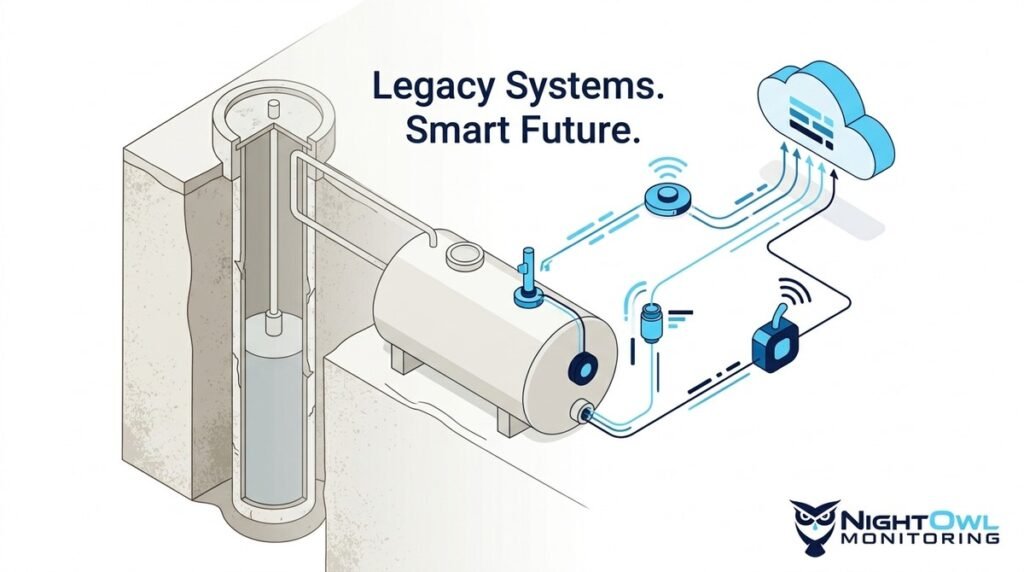
There are currently between 100,000 and 250,000 unmonitored water wells operating across America today. Many of these older installations run blindly until a major mechanical failure forces an emergency response. The process of retrofitting legacy water systems with modern IoT technology brings these outdated setups into the digital age. This upgrade provides real-time visibility and control, ensuring that small issues are caught before they turn into large, expensive problems.
Why Retrofitting Legacy Water Systems Matters
Historically, advanced monitoring technology was simply unaffordable for the average private well owner or small municipal operation. Previous solutions were rarely designed specifically for older, existing water setups, leaving operators to rely on fragmented, piecemeal parts. A veteran pump industry professional with 30 years of experience recognized this gap, noting the clear need for a comprehensive system rather than a collection of mismatched components. By moving to a unified platform, operators gain a complete, live view of their entire infrastructure on one screen.
Bridging the Gap Between Old Pumps and New Tech
Connecting modern sensors to older equipment requires careful planning and the right hardware. The solution involves attaching specialized electrical cords and sensors to existing water meters, pumps, and chemical feed tanks. These additions allow legacy installations to measure liquid levels and flow rates without requiring a complete mechanical overhaul. To understand the mechanics of this integration, you can review how sensors communicate with the NightOwl system.
Once connected, the hardware transmits live operational data directly to a user-friendly mobile application or tablet dashboard. This round-the-clock access allows operators to monitor levels across all their sites simultaneously. Instead of relying solely on reactive alarms, managers can check actual performance data at any time to verify system health. This proactive approach ensures equipment longevity and significantly reduces operational inefficiencies.
Essential Data Points for Older Water Infrastructure
Upgrading an older well introduces the ability to track a wide range of critical operational metrics from a remote location. Operators can easily monitor electrical variables such as amp draw and voltage, which indicate how hard the pump motor is working. Mechanical metrics like motor temperature and vibration levels provide early warnings of bearing wear or impending failure. Catching these mechanical changes early is one of the most reliable signs of well pump failure before the machinery completely shuts down.
Beyond the mechanical health of the pump, IoT sensors also track vital water quality and supply metrics. Remote dashboards seamlessly monitor Total Dissolved Solids (TDS), chlorine levels, water pressure, and temperature. Even ancillary equipment status, such as checking if a pump house heater has failed during winter, can be tracked through the same interface. This comprehensive view protects the water supply and keeps the entire facility running smoothly.
Installation Simplicity for Existing Infrastructure
One common concern when upgrading older setups is the potential for complicated, disruptive installation processes. Fortunately, modern monitoring technology is engineered specifically to integrate seamlessly with existing plumbing and electrical panels without demanding major modifications. Technicians can efficiently install sensors on wellheads, storage tanks, and pump control boxes in a matter of hours. A well-designed water well monitoring system designed for easy installation ensures that operational downtime during the upgrade is kept to an absolute minimum.
This straightforward installation process makes the technology highly accessible for a wide range of applications. Whether upgrading a small private well or a large municipal tank, the integration remains consistent and reliable. The modular nature of these packages means that owners can start by monitoring basic pump power and water levels, then expand their capabilities later. Adding chemical feed tracking or vibration sensors can be done smoothly as the needs of the facility grow over time.
Remote Control and Mobile Dashboard Access
The true value of an IoT upgrade lies in the accessibility of the collected data. Modern platforms compile all sensor readings into a live dashboard that can be accessed online from any location. A user can scroll through real-time metrics on a smartphone, reviewing pump runtimes and current power consumption from miles away. This level of access transforms a blind mechanical operation into a highly manageable asset.
Having constant access to a compliance well monitoring package benefits both private owners and commercial operators. It provides accurate data for fast and effective decisions regarding maintenance schedules and water usage. By preventing unexpected downtime, drilling and service companies can offer better support to their clients. Proactive monitoring limits the need for urgent weekend repairs, which translates to effective emergency call prevention for service teams.
Supporting Sustainable Groundwater Management
Applying smart technology to legacy wells also supports broader environmental sustainability goals. Tracking exact water usage patterns helps organizations protect critical aquifer resources and reduce unnecessary waste. Accurate, real-time measurements ensure that operations remain compliant with local regulations while maintaining high efficiency. Industry leaders at the National Ground Water Association emphasize the importance of careful resource management in preserving groundwater supplies.
Implementing a cohesive monitoring strategy modernizes traditional water well systems with absolute precision. Whether managing a single residential well or a complex network of storage tanks, operators can sleep easy knowing their equipment is protected. NightOwl Monitoring delivers the real-time data and alerts required to take charge of your water supply from anywhere.