 ChatGPT
 Perplexity
 Claude
 Gemini
 Grok
Grok
Texas Strategies for Sustainable Aquifer Management
Managing groundwater resources across the varied terrain of the Texas Hill Country requires more than intermittent site visits and manual drawdown measurements. As well operators and utility managers face the challenge of maintaining reliable water systems, the need for sustainable aquifer management becomes a strict operational necessity. By implementing continuous telemetry and Modbus sensors, you transition from reactive emergency responses to proactive resource stewardship. We provide the hardware and visibility required to protect equipment and track aquifer health with precision.
The Engineering Reality of Sustainable Aquifer Management
Effective sustainable aquifer management relies on accurate data to prevent unexpected downtime and costly equipment degradation. Historical approaches often left operators blind to sudden changes in static water levels or early signs of pump inefficiency. When relying solely on alarms, utility managers miss critical trends that indicate shifting aquifer conditions. By integrating continuous data streams, operators gain uninterrupted access to monitor levels across all sites before an alarm triggers. This proactive capability ensures resources are managed responsibly, a concept explored in our insights on aquifer management solutions for sustainable water use.
Moving Beyond Fragmented Hardware Solutions
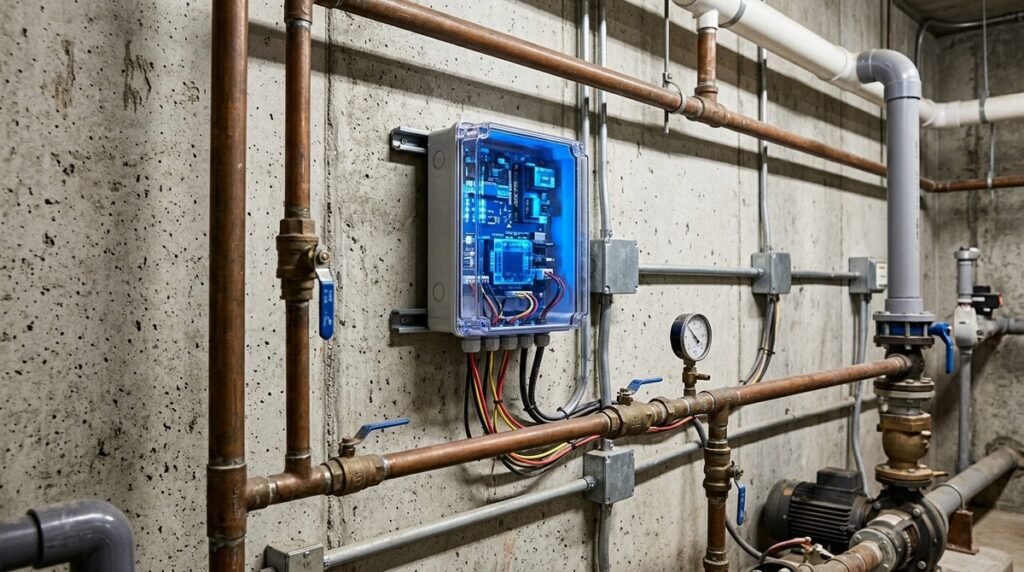
For decades, the groundwater industry struggled with piecemeal monitoring equipment that was neither affordable nor designed specifically for rural well operations. A comprehensive water monitoring system eliminates the frustration of integrating incompatible parts and software platforms. Developed with insights from seasoned water pump professionals, modern telemetry systems monitor multiple variables simultaneously, including pump runtimes, amp draw, and voltage. This unified approach delivers a live dashboard that reflects the exact status of your water system at any given moment. Rather than wondering why water well technology fails in the field, operators now have a single reliable interface to assess infrastructure health.
Telemetry Capabilities That Protect Groundwater
Real-time visibility into pumping systems fundamentally changes how operators handle maintenance and resource allocation. Through precise well sensor technology for measuring water level, you can track liquid depths continuously and detect sudden drawdown events. In addition to water levels, comprehensive monitoring encompasses vital electrical and mechanical components such as motor temperature and vibration. Tracking these parameters allows you to diagnose potential issues remotely before deploying technicians out into the field. Consequently, evaluating monitoring motor temperature vibration to limit downtime becomes standard operating procedure rather than a specialized task.
Integrating Modbus Sensors and Remote Diagnostics
Deploying advanced IoT hardware means transforming unmonitored water wells into intelligent assets that report their status without requiring physical inspection. Operators can monitor chemical feed tanks, storage volumes, and line pressures with industrial-grade sensors that communicate reliably even in off-grid environments. Because earlier generations of technology were often cost-prohibitive for standard agricultural setups, thousands of wells remained unmonitored. Today, accessible hardware enables utility managers to scale their networks and protect the mechanical integrity of their entire operation. Ensuring these systems are installed and maintained correctly aligns directly with the best practices advocated by organizations like the National Ground Water Association.
Addressing Agricultural and Municipal Water Demands
Texas operators handle highly diverse water demands, ranging from heavy agricultural irrigation to municipal storage tank management. High-capacity agricultural wells draw significant volumes of water, placing immense stress on both the pump equipment and the surrounding aquifer. Implementing continuous monitoring allows farm managers and utility operators to coordinate their pump cycles efficiently. The ability to monitor actual runtimes and liquid levels via a dashboard provides peace of mind while preventing sudden resource depletion. This constant flow of data supports smarter operational choices that safeguard localized groundwater reserves against over-extraction.
Ensuring Long-Term Water Security and Reliability
The financial and practical value of proactive alerts extends far beyond simple convenience for well drillers and utility managers. By identifying hidden inefficiencies such as excessive pump cycles or unexplained pressure drops, you protect your localized water supply from unnecessary waste. Consistent remote monitoring builds a historical data record that informs long-term planning and infrastructure investments. We build telemetry solutions that grant you absolute confidence in your well performance, enabling you to manage your sites proactively and efficiently. This level of engineering rigor guarantees that your water well networks remain robust, reliable, and secure for years to come.