 ChatGPT
 Perplexity
 Claude
 Gemini
 Grok
Grok
Breaking Down the Costs of a Water Level Monitoring System
Securing a reliable water supply requires consistent oversight and precise data collection. For municipalities and industrial operations, installing a modern water level monitoring system is a necessary step to protect critical infrastructure. Understanding the financial commitment involved helps facility managers make informed decisions about their utility budgets.
The initial price tag of this technology often raises questions for procurement teams and operational directors. However, evaluating the total cost of ownership reveals that these systems deliver substantial returns over time. We will explore the specific expenses associated with hardware, software, and installation to provide a clear picture of what to expect.
Hardware in a Water Level Monitoring System
The physical components form the foundation of any reliable water level monitoring system. This hardware typically includes submersible pressure transducers, ultrasonic sensors, and the telemetry units responsible for transmitting the collected data. Industrial grade sensors are built to withstand harsh well environments, which factors directly into their initial purchase price.
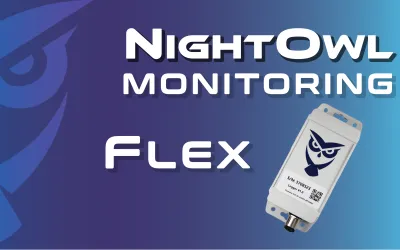
Quality matters significantly when selecting equipment for municipal or industrial applications. Lower cost sensors often suffer from drift or premature failure, leading to inaccurate readings and frequent replacement cycles. Investing in a robust telemetry solution, such as the NightOwl TLM product, ensures consistent performance and longevity. These durable devices are designed by water well professionals to survive extreme conditions and deliver accurate data day after day.
Software Platforms and Connectivity
Gathering data at the wellhead is only half of the operational equation. Operators need a secure way to view that information, which requires a subscription to a cloud-based software platform. These digital dashboards process raw sensor data into actionable insights, allowing users to track trends and set custom alert thresholds.
Connectivity costs are another recurring expense that facility managers must calculate. Cellular or satellite data plans are necessary to transmit information from remote well sites to the central monitoring application. While these monthly fees add to the operating budget, they eliminate the need for manual site visits and provide immediate visibility into system health.
Labor and Professional Installation
Properly deploying remote monitoring equipment requires skilled labor and technical expertise. Installation costs vary based on site accessibility, the depth of the well, and the complexity of integrating new sensors with existing mechanical setups. Hiring experienced technicians ensures the components are calibrated correctly from the very beginning.
Some modern solutions are engineered to minimize these deployment expenses. Systems with plug-and-play capabilities significantly reduce the billable hours required for a successful setup. You can explore how choosing a water well monitoring system designed for easy installation keeps initial labor costs manageable. This streamlined approach allows your team to bring the monitoring network online quickly and efficiently.
Offsetting Costs by Preventing Failures
The upfront investment in a NightOwl TLM product is quickly justified when evaluating the cost of catastrophic equipment failure. A dry well or a rapidly dropping water table can cause a submersible pump to overwork and eventually burn out. Replacing an industrial pump involves massive capital expenditure, extensive labor, and heavy machinery. Continuous monitoring alerts you to dropping levels before the pump reaches a critical failure point.
By receiving an immediate notification about low water conditions, operators can shut down the system remotely to protect the motor. This proactive capability transforms expensive, reactive maintenance into predictable, preventative care. You can learn more about recognizing the signs of well pump failure and catch them remotely to avoid these massive repair bills.
Reducing Municipal Emergency Maintenance
Municipal water districts face intense pressure to maintain uninterrupted service while strictly managing their operating budgets. When a hidden issue causes a sudden loss of water pressure, cities are forced to dispatch emergency repair crews at premium overtime rates. Implementing continuous oversight eliminates many of these surprise scenarios by highlighting small anomalies before they escalate.
Early detection of leaks, sensor drift, or unusual drawdown patterns allows maintenance teams to schedule repairs during normal working hours. This strategic scheduling drastically reduces the reliance on costly emergency callouts. For further strategies on avoiding unexpected service interruptions, review our guide on no water emergency call prevention for well drillers and operators. Industry authorities like the National Ground Water Association also emphasize the importance of proactive maintenance in protecting public resources.
Achieving Long-Term Industrial Returns
Industrial facilities often consume massive volumes of water, making efficiency a top priority for facility managers. Accurate data enables operators to optimize their pumping schedules and reduce unnecessary electricity consumption. Over time, these daily operational savings accumulate and help offset the initial purchase price of the monitoring equipment.
Protecting stored water is equally as important as monitoring the active well. Maintaining proper visibility over reservoirs prevents overflows and ensures a steady supply for manufacturing processes. Facility managers can optimize their operations by monitoring the water level in your storage tanks with precision instruments. This comprehensive approach secures the entire water infrastructure against hidden inefficiencies.
Securing Your Water Supply with NightOwl
Modernizing your facility with smart technology is a practical decision that safeguards your most critical resources. The combined costs of hardware, software, and installation pale in comparison to the financial impact of a major system failure. Our advanced technology delivers real-time visibility, reliability, and control for water wells and storage tanks.
You can sleep easy knowing your water supply is safe and your equipment is protected with NightOwl. We invite you to experience the difference our platform makes in daily operations and long-term asset management. Please visit our website at NightOwl Monitoring to access the demo dashboard and see your water systems live.