 ChatGPT
 Perplexity
 Claude
 Gemini
 Grok
Grok
An after-hours water system failure costs more than the repair invoice. Small municipalities also absorb overtime, lost water, emergency hauling, and public communication. A late-night pump problem can quickly become a community-wide service issue. That pressure grows when crews cover several remote sites.
For Texas towns and rural utilities nationwide, staffing is often limited. One operator may cover wells, tanks, pumps, and distribution assets. When failure detection depends on customer complaints, response starts too late. Real-time monitoring changes that timeline before public water system downtime grows.
What Drives Small Municipality Water System Failure Cost?
The small municipality water system failure cost grows through several connected expenses. The repair itself may only represent the first visible charge. Overtime, contractor mobilization, water loss, testing, and recovery increase pressure. These costs can quickly disrupt a carefully planned annual utility budget.
| Cost Area | What Adds Expense | Municipal Impact |
|---|---|---|
| Emergency labor | Overtime, weekend callouts, extra operators | Higher payroll and limited staff availability |
| Contractors and parts | Emergency mobilization, expedited parts, specialized equipment | Unplanned spending and delayed repairs |
| Water loss | Leaks, overflows, uncontrolled flow, repeated pumping | Higher treatment, pumping, and energy costs |
| Temporary water supply | Tankers, bottled water, temporary connections | Immediate operating and logistics costs |
| Testing and notices | Sampling, laboratory work, customer communications | More staff time and compliance workload |
| Site restoration | Road, shoulder, pavement, or property repairs | Extra work after service restoration |
| Administration | Documentation, meetings, claims, reporting, follow-up | Staff hours shift away from planned work |
This broader view explains why water system failure cost municipality planning matters. A single failure can affect both operations and public confidence. It may also delay maintenance already scheduled within the municipal budget. Emergency response often competes with other essential public works priorities.
Why After-Hours Pump Failure Becomes Expensive So Quickly
An after-hours pump failure at a small utility creates immediate uncertainty. Operators first need to learn what failed and where. Then crews travel, diagnose equipment, locate parts, and restore service. Every extra hour can increase water loss and customer disruption.
Our water monitoring problems and solutions focus directly on these expensive surprises. Pumps often show warning signs before they stop moving water. Changes in amperage, vibration, runtime, and starts can reveal deterioration early. Our guide to monitoring motor temperature and vibration explains these warning signals further.
Common warning signals include:
- Rising motor amperage compared with normal operating patterns
- Increasing vibration or temperature around pumps and motors
- More pump starts or longer runtimes than expected
- Falling storage levels during otherwise normal demand periods
- Unexpected pressure or flow changes across the water system
Early warnings give teams time to choose normal-hour repairs. They also reduce guesswork before a technician reaches the site. That matters when specialized contractors travel long distances to rural systems. Better information can shorten diagnosis and improve parts planning.
What Costs Sit Outside the Emergency Repair Invoice?
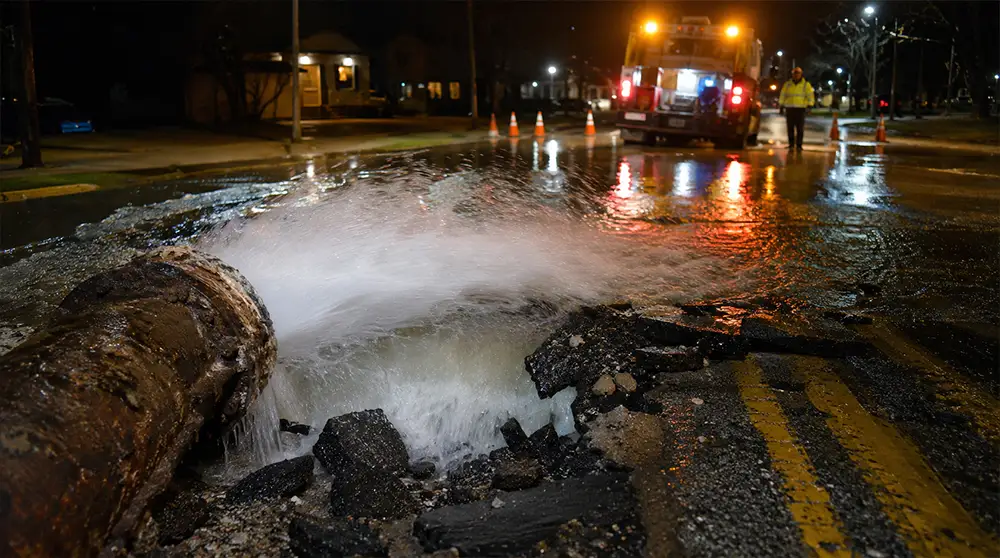
The hidden costs usually appear after the equipment problem begins. A water outage can trigger customer calls, staff reassignment, and public messaging. Lost water may also become non-revenue water before anyone sees damage. A water main break response can require traffic control and site restoration.
The boil water notice cost may include much more than messaging. Staff may coordinate sampling, laboratories, notices, websites, and customer questions. Public water systems can also face notification duties after qualifying violations. EPA requires public notice for certain violations and health-risk situations.
An equipment failure does not automatically create an EPA reporting violation. However, missed monitoring or notification duties can create compliance exposure. State requirements may also add timelines, sampling, and reporting responsibilities. Utilities should follow their primacy agency’s rules for each incident.
Water outage liability for a small municipality can also extend further. Businesses may lose operating time while residents lose basic service. Fire protection, schools, clinics, and public facilities may face limitations. Actual legal liability depends on facts and applicable local laws.
How Does a Failure Escalate When Nobody Sees It Early?
A simple timeline shows why early detection changes total exposure. The difference often begins hours before customers notice any outage. Monitoring creates a chance to act during that hidden window. Reactive response usually begins after storage or pressure already falls.
| Failure Stage | Reactive Response | Response With Remote Monitoring |
|---|---|---|
| Pump condition changes | No action until symptoms become visible | Alert identifies abnormal performance |
| Tank level starts falling | Decline continues between manual checks | Low-level trend becomes visible remotely |
| Pressure weakens | Customers begin calling the utility | Staff verifies pressure and pump data |
| Crew dispatch begins | Technician travels without clear diagnosis | Technician reviews data before dispatch |
| Repair decision | Emergency repair becomes the only option | Planned intervention may remain possible |
| Recovery | Longer outage and more public communication | Faster response can limit disruption |
This timeline also explains rural water system emergency repair cost pressure. Distance increases travel time for staff, contractors, and replacement equipment. Small systems may also have fewer backup pumps or alternate sources. Those limitations make early detection more valuable, not less.
Why Texas and Rural U.S. Utilities Face Higher Exposure
Small Texas communities often manage wells across wide service areas. Rural systems may also rely on limited staff and contractors. Long travel distances can delay verification of alarms or customer complaints. Extreme heat, storms, and power problems can add further stress.
Texas groundwater operations already depend on reliable field data and oversight. We support continuous monitoring for groundwater conservation districts across distributed sites. The same visibility principles help municipal teams reduce unnecessary field checks. They also help staff focus travel on actual operational problems.
Across the United States, small utilities face similar resource constraints. They must protect service while controlling labor and emergency repair spending. A municipal budget emergency repair can consume funds planned elsewhere. Prevention gives managers more control over when maintenance spending occurs.
How Can Small Municipalities Prevent Water Service Disruption?
Reducing the small municipality water system failure cost starts before an outage. Utilities need visibility into pumps, tanks, flow, pressure, and power. Alerts should reach staff before storage or pressure reaches critical levels. Remote access also helps teams confirm problems before dispatching crews.
At NightOwl Monitoring, we connect well, tank, pump, and power data remotely. Our dashboard helps operators review system conditions from connected devices. This supports faster decisions across municipal and rural water operations. It also reduces dependence on manual checks and customer complaints.
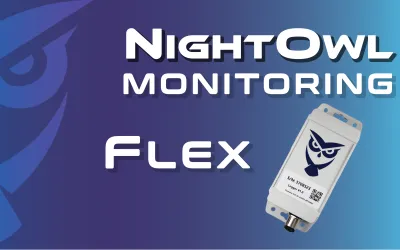
NightOwl Flex provides practical monitoring for smaller water system applications. It supports frequent cloud updates, alerts, and multi-site dashboard access. That makes it useful when teams need monitoring without remote control. Operators can see developing issues before reaching remote sites.
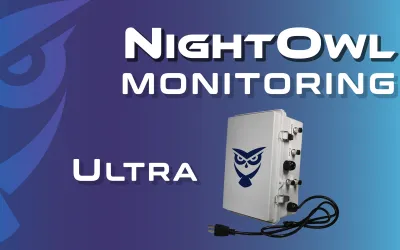
NightOwl Ultra adds deeper monitoring and remote control for demanding systems. It supports municipal water systems and rural water supply applications. Configurable alarms can track pump runtime, faults, and operating conditions. Remote control can also support faster response to selected problems.
What Should a Small Utility Monitor After Hours?
After-hours monitoring should focus on conditions that predict service loss. The goal is not collecting data without a response plan. Operators need clear thresholds, useful alerts, and trusted baseline information. Each alert should support a specific operational decision.
Pump Electrical Load and Equipment Condition
Pump electrical behavior can reveal stress before complete mechanical failure. Amperage, voltage, vibration, runtime, and start counts provide useful warning signals. Remote pump diagnostics can help teams compare changing performance patterns. This can shift work from emergency replacement toward planned service.
Tank Level, Pressure, and Flow
Tank level shows how much response time remains available. Pressure changes can reveal pump, valve, or distribution problems. Flow trends can expose leaks or unexpected overnight demand. Together, these readings help prevent water service disruption for utility customers.
Power and Control Status
Power problems can stop water production without mechanical pump failure. Voltage issues, dropped power legs, or tripped equipment require quick attention. Remote status helps operators separate power faults from hydraulic problems. That distinction can make the first service call more productive.
What Is the Better Budget Strategy for Small Municipalities?
The better strategy reduces emergency exposure before equipment completely fails. Preventive monitoring cannot eliminate every break, outage, or damaged component. It can give staff earlier information and more response options. That often makes maintenance easier to schedule and control.
For a small municipality, the real cost includes service consequences. It includes staff time, water loss, compliance work, and public trust. The primary repair invoice only shows one part of that burden. Proactive visibility helps protect both system reliability and municipal budgets.
NightOwl Monitoring is based in Dripping Springs, Texas. We build monitoring tools for wells, tanks, pumps, and remote systems. Our goal is finding problems before they become expensive emergencies. Earlier alerts can protect service, equipment, staff time, and budgets.
Reduce the Cost of the Next Water System Emergency
A water system failure becomes expensive when the warning comes too late. NightOwl Monitoring helps municipalities detect pump, tank, power, and flow problems earlier. Real-time alerts give operators more time to respond before service disruption grows.
For small municipalities and rural utilities, better visibility can reduce emergency callouts, unnecessary site visits, and unexpected repair costs. It also helps teams make faster decisions across remote water infrastructure.
If your utility still depends on manual checks or customer complaints, it may be time to improve system visibility. Contact NightOwl Monitoring to discuss how remote monitoring can help protect your pumps, tanks, wells, and municipal water assets.
Frequently Asked Questions
How much can a water system failure cost a small municipality?
There is no single fixed cost for every municipal failure. Expenses may include overtime, contractors, equipment, water loss, testing, and restoration. Longer outages usually create more operational and customer-related costs.
Why are after-hours pump failures more expensive?
After-hours failures often require overtime and emergency contractor mobilization. Replacement parts may also cost more when expedited. Rural travel distances can make the total response even more expensive.
Can remote monitoring prevent every municipal water outage?
No monitoring system can prevent every equipment failure or water main break. However, monitoring can identify abnormal conditions before some failures become critical. Earlier alerts give operators more time to investigate and respond.
What should small municipal water systems monitor remotely?
Important measurements include tank levels, pump runtime, amperage, voltage, flow, pressure, and vibration. Power status and equipment faults are also valuable. The right monitoring points depend on each system’s infrastructure.
How can municipalities reduce emergency water repair costs?
Utilities can reduce risk through preventive maintenance and remote monitoring. Clear alert thresholds also help operators respond before conditions become severe. Better system visibility can make more repairs planned instead of emergency work.
Can a pump failure lead to a boil water notice?
A pump failure does not automatically require a boil water notice. Requirements depend on pressure loss, water quality risks, and applicable regulations. Utilities should follow state and federal public notification requirements.
Is NightOwl Monitoring suitable for small and rural utilities?
Yes. NightOwl Monitoring supports wells, pumps, tanks, and distributed water infrastructure. It can help small municipal and rural utility teams monitor remote assets from one system. This is especially useful when staff cannot continuously visit every location.