 ChatGPT
 Perplexity
 Claude
 Gemini
 Grok
GrokManaging Pump Energy Costs in Water Systems
Drinking water utility operations and maintenance expenses grew at an average of 1.8 percent per year above inflation between 2013 and 2023. Power, chemicals, and labor consistently rise faster than the general consumer price index across the board. Among these rapidly rising expenses, pump energy costs stand out as the single biggest variable affecting your bottom line. Addressing this financial burden requires highly accurate data and real-time visibility into your entire water system.
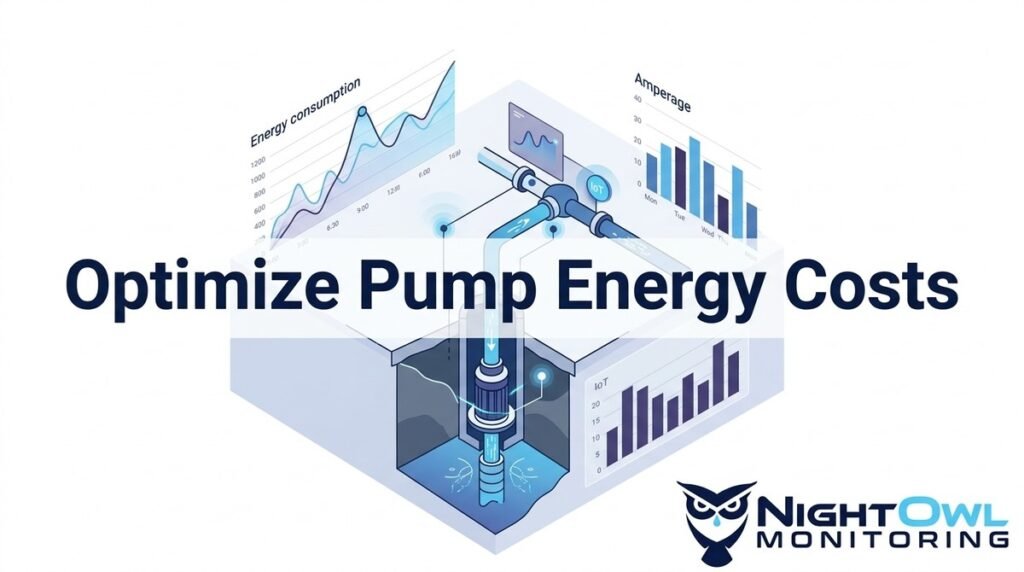
Power expenses compound at the fastest rate of any input in the water well industry. Monitoring runtime, amperage, and cycling patterns provides the most direct way to manage this escalating financial drain effectively. When you track precisely how much power your equipment uses on a daily basis, you can identify inefficiencies before they break your operational budget. A smart monitoring system turns guesswork into actionable insights that protect your natural resources and equipment.
The Value of Live Power Metrics
Many utility managers remain entirely unaware of exactly how their power companies bill them for irregular usage patterns. By viewing a live power monitor graph, you can track voltage, amperage, and frequency data across multiple water pumps simultaneously. This real-time dashboard reveals precise power fluctuations that often go completely unnoticed during standard monthly billing cycles. For example, systems utilizing variable frequency drives draw a small continuous amount of electricity that adds up significantly over time.
Understanding these continuous draws and active amp usage allows you to adjust operations for much better efficiency. When you simplify your remote well monitoring, you gain access to comprehensive historical graphs that paint a complete picture. This level of detail represents a pump operator’s ideal scenario for maintaining long-term system performance and reliability. You can quickly see the distinct differences in power usage between various pumps in your infrastructure to make informed adjustments.
Holding Suppliers Accountable
Power fluctuations and voltage spikes cause silent but severe damage to expensive well equipment over time. Having detailed logging of peak voltages for every minute of the day gives you concrete evidence of power quality issues. With this data in hand, you can confidently hold power companies or pump suppliers accountable for premature equipment failure caused by bad power. This proactive approach prevents costly replacements and extends the functional lifespan of your critical assets.
When managers lack visibility into these metrics, they often end up paying for replacement parts out of pocket unnecessarily. Documenting precise voltage history ensures that the financial responsibility for damage falls exactly on the correct party. By monitoring your pump efficiency closely, you safeguard your budget against unfair repair expenses and unexpected failures. Accurate historical data empowers you to make fast and effective decisions regarding your infrastructure upgrades.
Proactive Diagnostics and Efficiency
Remote technology allows you to diagnose mechanical issues long before ever sending a technician out into the field. Access to detailed history regarding voltage and amperage helps you pinpoint the exact cause of a problem from your computer or smartphone. This capability eliminates unnecessary emergency callouts and prevents the immense frustration of blind troubleshooting on location. Your team saves valuable labor hours by always arriving on site with the right tools for a previously known issue.
Operators presenting at municipal meetings, such as those representing the City of San Marcos, frequently highlight the absolute necessity of data monitoring. They emphasize how modern applications improve daily workflows by delivering exactly what water utilities need to function properly. If you want to catch signs of well pump failure remotely, you must rely on continuous and reliable data streams. This strategy translates directly into improved system reliability and the total prevention of unexpected system downtime.
Comprehensive System Management
Industry veterans with decades of hands-on experience often express deep frustration with fragmented, piecemeal monitoring parts. They strongly desire a complete product that integrates pump data, water levels, motor temperatures, and vibration metrics into one unified platform. A comprehensive dashboard provides a clear view of operational health that single-sensor solutions simply cannot match in today’s market. This unified approach is essential for modern groundwater management and ensuring long-term environmental sustainability.
NightOwl Monitoring was built from the ground up to provide exactly this type of integrated visibility for serious water professionals. Our systems seamlessly connect water wells, chemical feed tanks, and pumps through a single, easy-to-use digital interface. We are revolutionizing water well asset management by giving operators complete control over their entire network from anywhere. This level of integration ensures the safe and highly efficient use of critical water utilities for generations to come.
Frequently Asked Questions
How do power metrics impact overall maintenance?
Tracking power metrics like amp draw and voltage helps operators spot dangerous friction or electrical issues early on. When a motor begins to fail, it typically draws much more amperage to perform the exact same amount of work. Identifying this trend early allows for scheduled maintenance rather than dealing with an unexpected and costly breakdown.
Why is detailed voltage history important?
Detailed voltage logging protects your expensive equipment investments by recording exactly when damaging power spikes or drops occur. If a utility company delivers inconsistent power that damages a motor, you have the exact data needed to prove the underlying cause. This indisputable documentation is invaluable for successful warranty claims and holding your suppliers strictly accountable.