 ChatGPT
 Perplexity
 Claude
 Gemini
 Grok
Grok
A failing well pump rarely stops working without warning. In most cases, the system shows several early indicators before a complete breakdown occurs. The problem is that many homeowners, property managers, farms, and municipal operators either miss these warning signs or notice them too late.
Ignoring the early signs of well pump failure can lead to:
- Sudden water loss
- Expensive emergency repairs
- Damaged pressure tanks
- Pump motor burnout
- Reduced water pressure
- System downtime
- Property damage
Whether you manage a residential well, agricultural irrigation system, or commercial water infrastructure, understanding the early warning signs can help you prevent larger failures and costly disruptions.
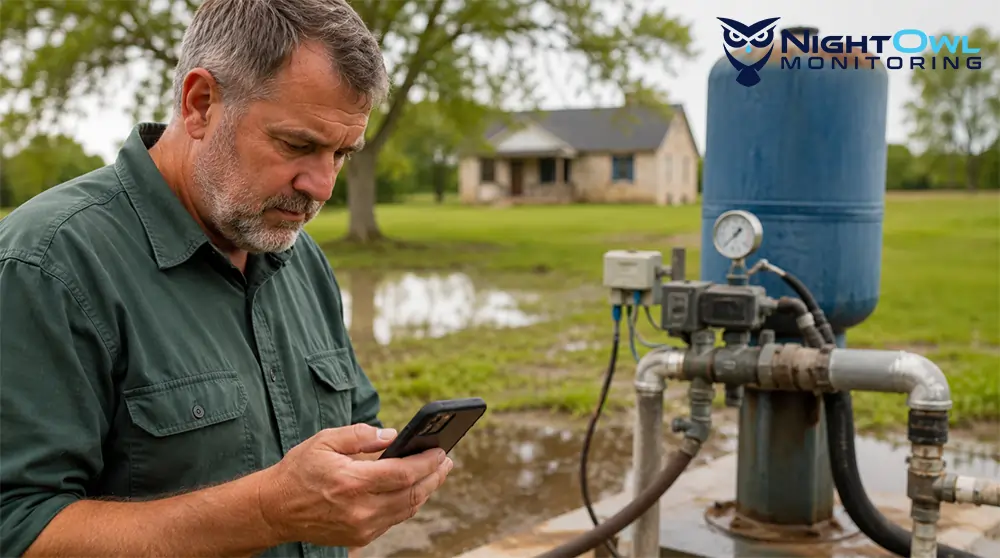
Modern remote monitoring systems now make it possible to detect many well pump failure symptoms before the pump completely stops working. With real-time monitoring, alerts, and telemetry, operators can identify pressure irregularities, runtime issues, and water level problems remotely.
In this guide, we’ll cover the most common signs of well pump failure, what causes them, and how remote monitoring helps detect pump issues earlier.
How Does a Well Water System Work?
Before identifying pump problems, it helps to understand how well water works in a house or agricultural system.
A typical well water system includes:
- Well pump
- Pressure tank
- Pressure switch
- Foot valve for well pump
- Water lines
- Electrical controls
- Storage tanks
The well water pump pulls groundwater from underground and pushes it into the pressure tank. The pressure switch regulates when the pump turns on and off based on water demand.
When one component begins failing, the entire system can experience pressure issues, inconsistent water flow, or complete water loss.
Understanding how well water works makes it easier to recognize symptoms of water pump going bad before serious damage occurs.
Why Early Detection Matters
Many property owners only react after they suddenly have no water from the well.
Unfortunately, by that stage:
- The pump motor may already be damaged
- The pressure tank may be compromised
- The pump could overheat
- The well may stop pumping water entirely
Detecting early signs of well pump failure helps reduce:
- Emergency service costs
- Downtime
- Water damage
- Equipment replacement expenses
This is especially important for:
- Farms
- Irrigation systems
- Municipal wells
- Commercial properties
- Large residential well systems
1. Low Water Pressure Throughout the Property
One of the most common well pump failure symptoms is low water pressure.
You may notice:
- Weak shower pressure
- Slow faucets
- Reduced sprinkler performance
- Inconsistent water flow
- Pressure drops during heavy usage
Low water pressure in a house with well systems can occur due to:
- Worn pump components
- Pressure switch problems
- Leaking pipes
- Water pressure tank problems
- Failing pump motors
Low well water pressure is often one of the first signs your well pump is going bad.
What Causes Pressure Loss?
Common causes include:
- Clogged filters
- Damaged impellers
- Pump motor wear
- Pressure tank failure
- Air leaks in pipes
- Foot valve issues
A constant pressure well pump system experiencing fluctuations may indicate deeper mechanical problems.
How Remote Monitoring Helps
Remote telemetry systems can monitor:
- Pressure trends
- Pump runtime
- Water flow irregularities
- Pressure drops
Operators receive alerts when pressure levels move outside normal operating ranges.
This allows early intervention before the system completely fails.
2. The Well Pump Runs Constantly
Another major sign of a failing well pump is when the pump keeps running continuously.
Normally, pumps cycle on and off based on water demand.
If the well pump keeps running constantly, it may indicate:
- Pressure tank failure
- Water leaks
- Pump motor wear
- Low groundwater levels
- Bad pressure switch problems
This issue increases energy costs and accelerates pump wear.
Signs Your Water Pump Is Going Out
Continuous runtime often appears alongside:
- Increased utility bills
- Warm pump housing
- Irregular pressure
- Reduced flow rates
These are common symptoms of a failing water pump.
Remote Monitoring Advantage
A remote pump monitoring system tracks:
- Runtime duration
- Start/stop cycles
- Pressure behavior
- Flow anomalies
Operators can quickly identify abnormal cycling behavior remotely.
3. Dirty, Cloudy, or Muddy Water
Cloudy water is another warning sign that something may be wrong with the well system.
You may notice:
- Sediment in water
- Muddy water
- Brown discoloration
- Air bubbles
- Metallic taste
Why is well water cloudy?
Possible causes include:
- Pump damage
- Well casing problems
- Sediment infiltration
- Low water levels
- Damaged intake components
In some cases, cloudy water appears when signs your well is running dry begin developing.
Air in Pipes
Air sputtering from faucets may indicate:
- Cracked water lines
- Falling water levels
- Pump intake exposure
- Pressure issues
Air in pipes is often associated with declining well performance.
4. Strange Noises Coming From the Pump System
Unusual sounds are one of the clearest signs of well pump motor failure.
Common sounds include:
- Grinding
- Clicking
- Buzzing
- Humming
- Vibrations
These sounds often point to:
- Bearing damage
- Electrical issues
- Pump cavitation
- Capacitor problems
Well pump capacitor failure can prevent the motor from starting properly and may eventually cause complete pump failure.
Symptoms of Water Pump Going Bad
Mechanical warning signs may include:
- Delayed startup
- Motor overheating
- Intermittent shutdowns
- Electrical tripping
These symptoms of water pump going out should never be ignored.
Remote Detection Benefits
Modern monitoring systems can track:
- Electrical consumption
- Pump runtime patterns
- Motor performance
- Abnormal cycling
These indicators help identify well pump failure analysis patterns before catastrophic failure occurs.
5. Sudden Loss of Water
Suddenly no water from the well is one of the most serious warning signs.
Possible causes include:
- Pump motor burnout
- Electrical failures
- Dry well conditions
- Pressure switch failure
- Broken pipes
- Well pump quit working entirely
If the well pump is not running, immediate troubleshooting is necessary.
How to Tell If Your Well Pump Is Bad
Signs include:
- No water pressure
- Silent pump motor
- Circuit breaker trips
- Pressure tank abnormalities
- No response from faucets
Homeowners often search:
- how to tell if your well pump is bad
- how to tell if well water pump is bad
- how do I know if my well pump is bad
These symptoms usually indicate major pump or electrical issues.
H3: How Remote Monitoring Helps
Remote alerts can instantly notify operators about:
- Pump shutdowns
- Pressure loss
- Electrical interruptions
- Flow stoppages
This reduces response time significantly.
6. Fluctuating Water Pressure
If your well water pressure drops then comes back repeatedly, the system may be struggling internally.
Pressure fluctuations often indicate:
- Pressure switch problems
- Failing pressure tanks
- Pump wear
- Leaks
- Groundwater issues
Low water pressure in home with well systems should always be investigated quickly.
Signs of a Bad Pressure Tank
A bad pressure tank can create:
- Rapid pump cycling
- Pressure swings
- Air in pipes
- Inconsistent flow
Symptoms of bad pressure switch on well systems may appear similar.
Remote Monitoring Advantages
Monitoring systems can identify:
- Irregular pressure behavior
- Cycling abnormalities
- Runtime inconsistencies
This helps operators catch small issues before full system failure occurs.
Well Pump Failure Analysis: Common Causes
Proper well pump failure analysis often reveals several root causes.
Age and Wear
How long does a water well last?
While wells themselves may last decades, pumps often require replacement sooner depending on:
- Usage
- Water quality
- Maintenance
- Pump type
Dry Well Conditions
Signs your well is going dry include:
- Muddy water
- Pressure drops
- Air in pipes
- Intermittent flow
How do you know if your well is dry?
Water level monitoring can help identify declining groundwater conditions early.
Electrical Problems
Electrical issues may include:
- Capacitor failure
- Voltage irregularities
- Wiring problems
- Pressure switch malfunctions
These issues often contribute to symptoms of water pump failure.
How Remote Monitoring Helps Prevent Well Pump Failure
Traditional well pump troubleshooting often begins after a failure occurs.
Remote monitoring changes that approach entirely.
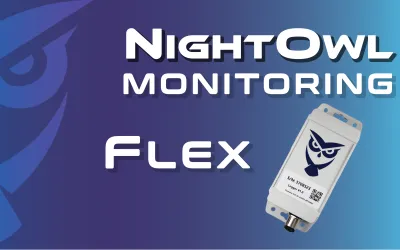
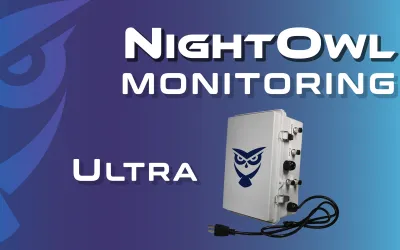
Solutions from NightOwl Monitoring provide real-time visibility into:
- Pump activity
- Pressure levels
- Tank levels
- Runtime behavior
- System alerts
Instead of reacting after water service stops, operators can identify warning signs early and schedule maintenance proactively.
This is especially valuable for:
- Agricultural irrigation systems
- Rural water systems
- Residential wells
- Commercial properties
- Municipal water infrastructure
Benefits of Remote Well Pump Monitoring
Faster Problem Detection
Real-time alerts reduce the time between problem detection and response.
Reduced Downtime
Operators can prevent complete failures before water service is interrupted.
Lower Maintenance Costs
Early detection helps avoid expensive emergency repairs and pump replacements.
Improved System Visibility
Remote dashboards provide continuous insight into water system performance.
What To Do If You Notice Signs of Well Pump Failure
If you notice multiple warning signs, avoid waiting for the system to fail completely.
Recommended steps include:
- Check pressure readings
- Inspect electrical breakers
- Monitor water flow
- Contact a well specialist
- Schedule professional well pump troubleshooting
- Consider remote monitoring solutions
Early action often prevents larger repair costs.
Conclusion
Most well pumps provide warning signs before complete failure occurs. Recognizing the early signs of well pump failure can help prevent downtime, reduce repair costs, and protect water system reliability.
Low water pressure, constant runtime, cloudy water, unusual noises, pressure fluctuations, and sudden water loss should never be ignored.
As modern water infrastructure becomes more connected, remote monitoring solutions are helping property owners and operators identify pump problems earlier than ever before.
By combining telemetry, real-time alerts, and performance monitoring, systems like remote water monitoring with visible analytics on cloud from NightOwl Monitoring help reduce unexpected failures while improving long-term well system performance.
Frequently Asked Questions
What are the most common signs of well pump failure?
Common signs include low water pressure, cloudy water, strange noises, continuous pump operation, pressure fluctuations, and sudden loss of water.
How do I know if my well pump is bad?
You may notice reduced water pressure, no water flow, air in pipes, high electric bills, or unusual pump noises.
Can a bad pressure tank look like a bad well pump?
Yes. Signs of a bad pressure tank often include rapid cycling, pressure fluctuations, and inconsistent water flow, which can resemble pump problems.
Why does my well pump keep running?
Continuous operation may indicate leaks, pressure switch issues, low groundwater levels, or pressure tank problems.
What causes cloudy well water?
Cloudy well water may result from sediment infiltration, low water levels, pump damage, or air entering the system.
How can remote monitoring help detect well pump problems?
Remote monitoring systems track pressure, runtime, tank levels, and flow behavior in real time, allowing operators to catch issues early.
How long does a well pump usually last?
Most well pumps last between 8 to 15 years depending on water quality, usage, maintenance, and pump type.